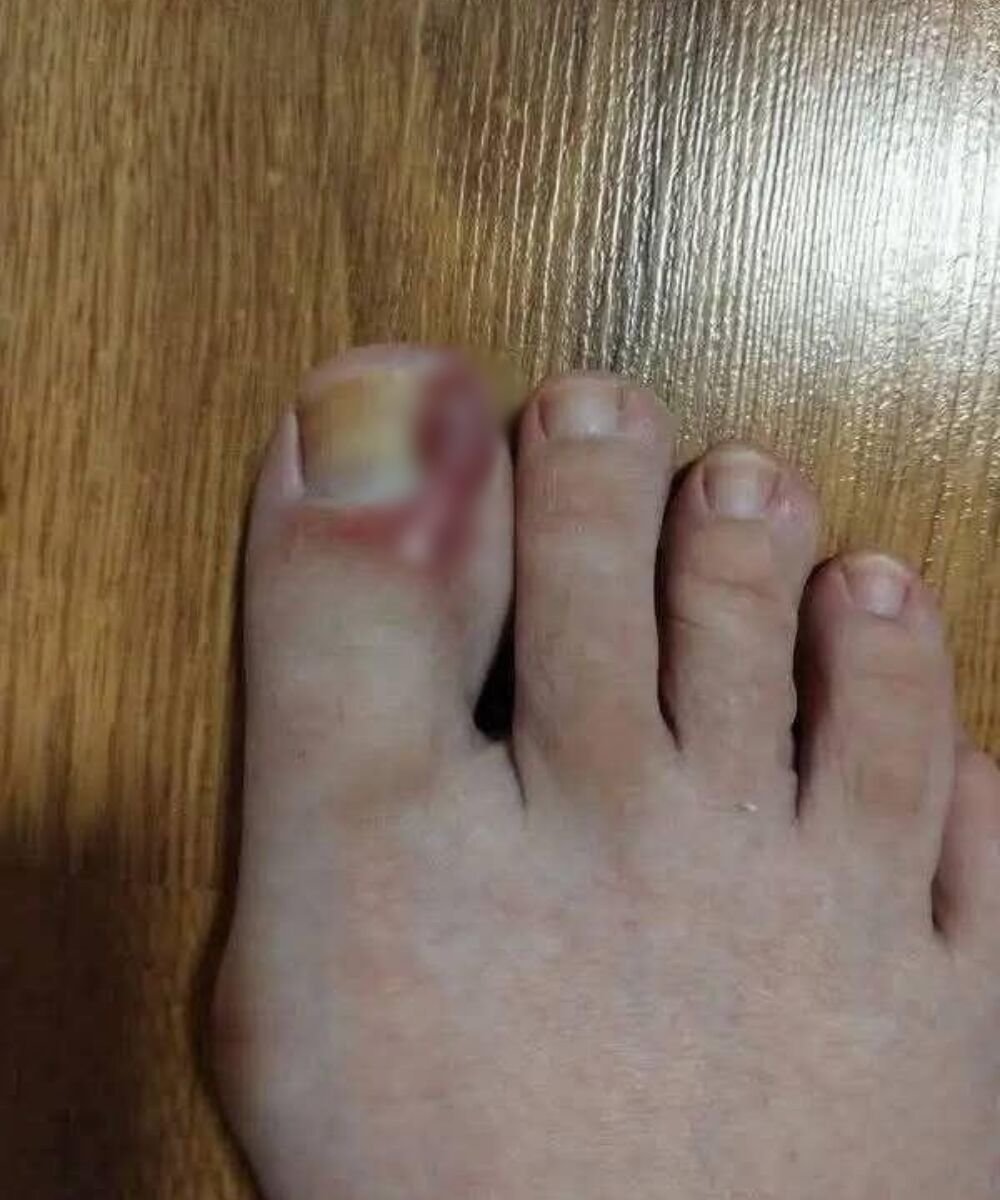
Ingrown toenails occur when the nail’s edge burrows into the skin beside it, causing pain, swelling, and sometimes infection. Many mild ingrown nails improve with home care and natural treatments, but severe cases need doctor evaluation.
Wearing narrow shoes or cutting nails improperly often leads to this problem. Injuries and lack of foot hygiene increase risk. Symptoms can include tenderness, redness, swelling, and possibly pus.
Soaking your foot in warm water with Epsom salt softens skin and eases discomfort. After soaking, raise the nail edge gently and insert clean cotton or floss to keep it lifted. Replace daily to avoid infection. Use antibacterial ointment and cover the toe.
Wide shoes and sandals reduce pressure during recovery. Tea tree oil, diluted apple cider vinegar soaks, and aloe vera help with bacteria and soothe irritation.
Seek medical care for worsening pain, spreading redness, or pus. Special caution is needed for people with conditions like diabetes.
If ingrown nails recur, doctors can offer treatments like partial nail removal.
Avoid ingrown nails by trimming nails straight across, keeping feet clean and dry, and wearing well-fitting shoes.