
Kodak, founded in 1880 by George Eastman, was a titan in photography for most of the 20th century. With its first camera introduced in 1888, Kodak shaped how the world captured memories. By 1996, it was worth $31 billion, dominating the film market.
However, Kodak made a costly mistake. Despite creating the first digital camera in 1975, the company feared that digital photography would threaten its film profits. Competitors quickly took the lead in digital imaging, leaving Kodak behind.
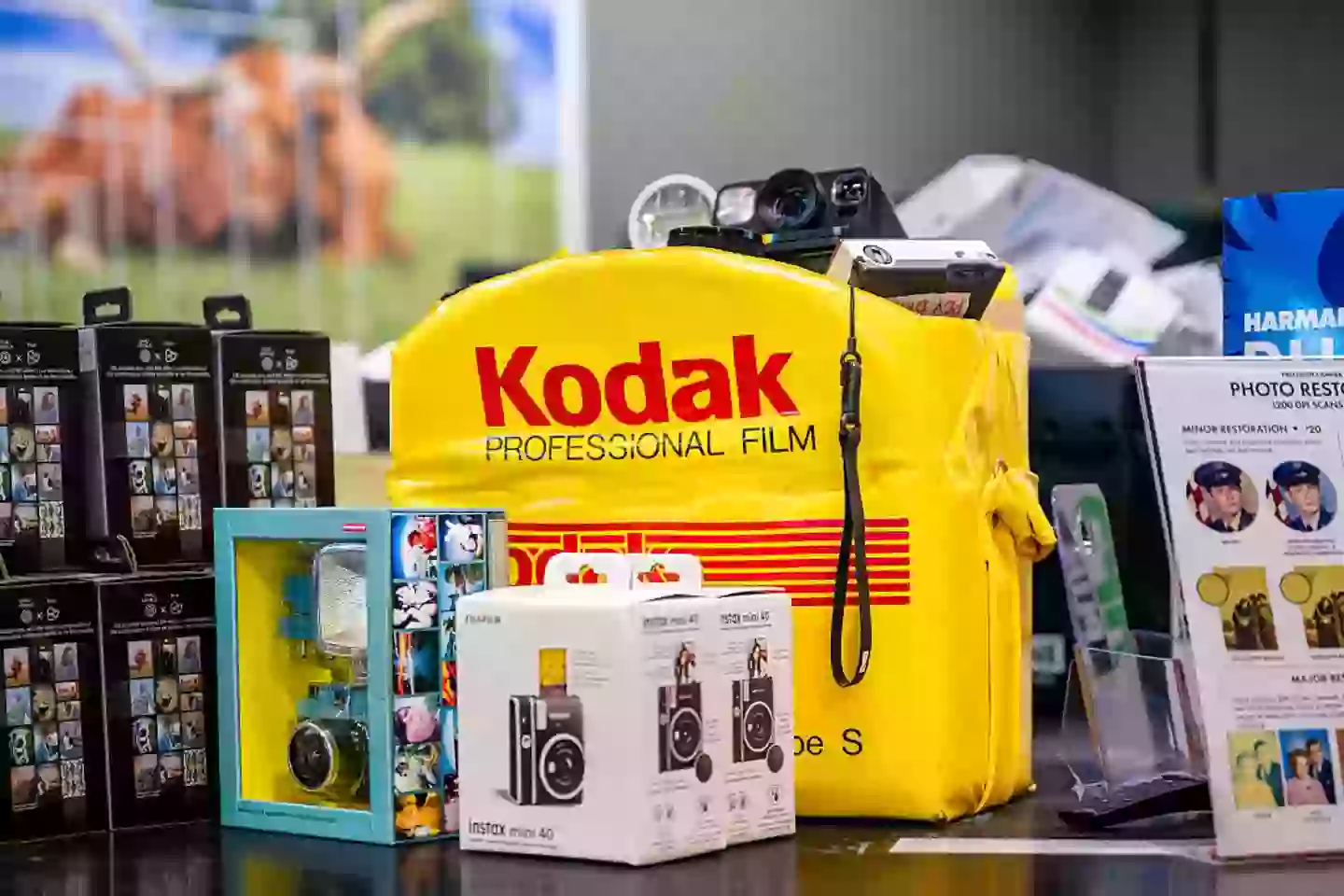
The company’s refusal to fully embrace digital innovation led to a financial decline that ended in bankruptcy in 2012. Since then, Kodak has tried to reinvent itself, focusing on commercial printing and digital technologies.
Now, Kodak warns it lacks the cash and committed financing to meet $500 million in debt payments due soon, casting doubt on its continued operation. It plans to stop pension payments and refinance its debts to cope.
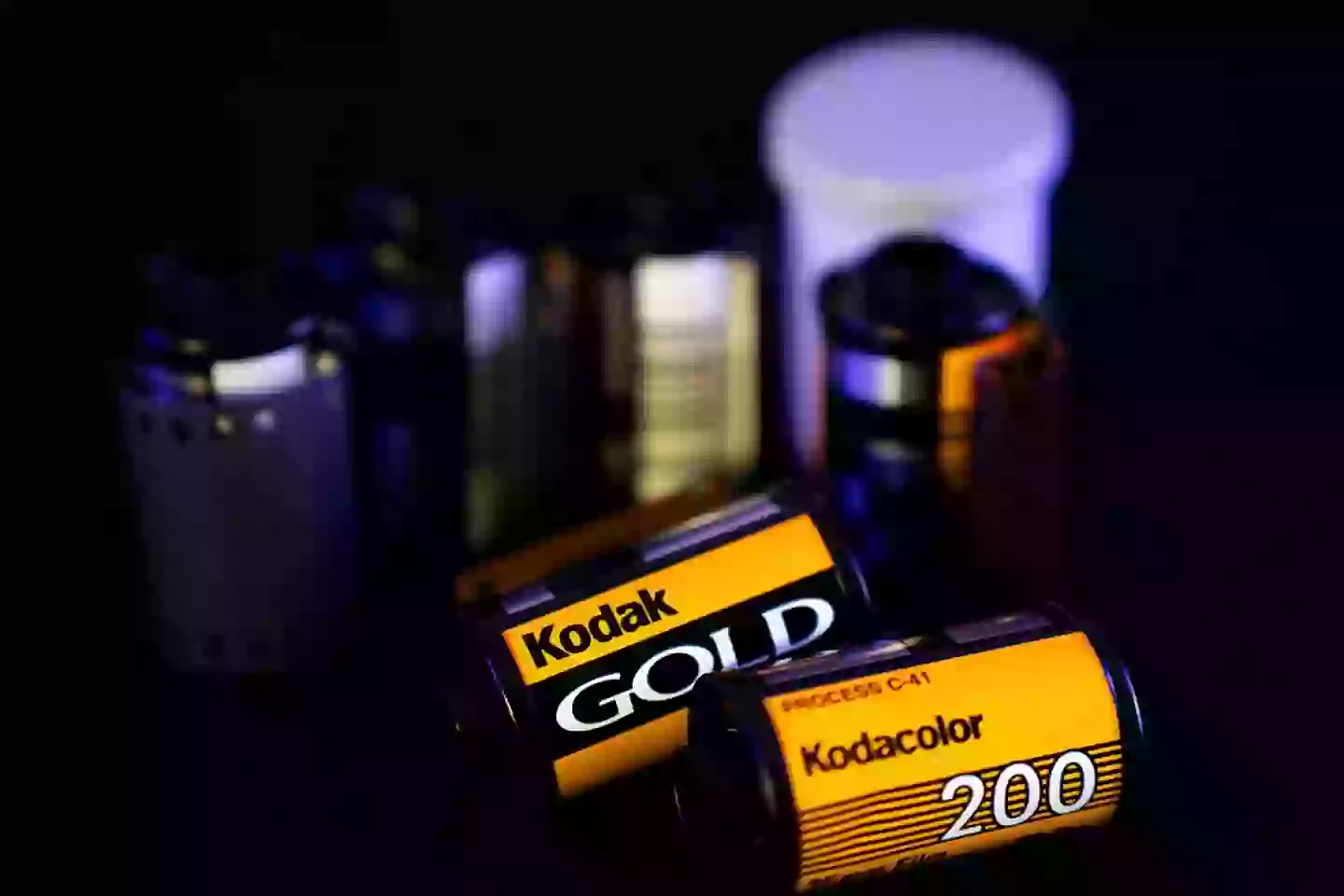
Kodak’s story is a stark reminder that failure to adapt to change can turn industry leaders into struggling survivors, facing an uncertain future.