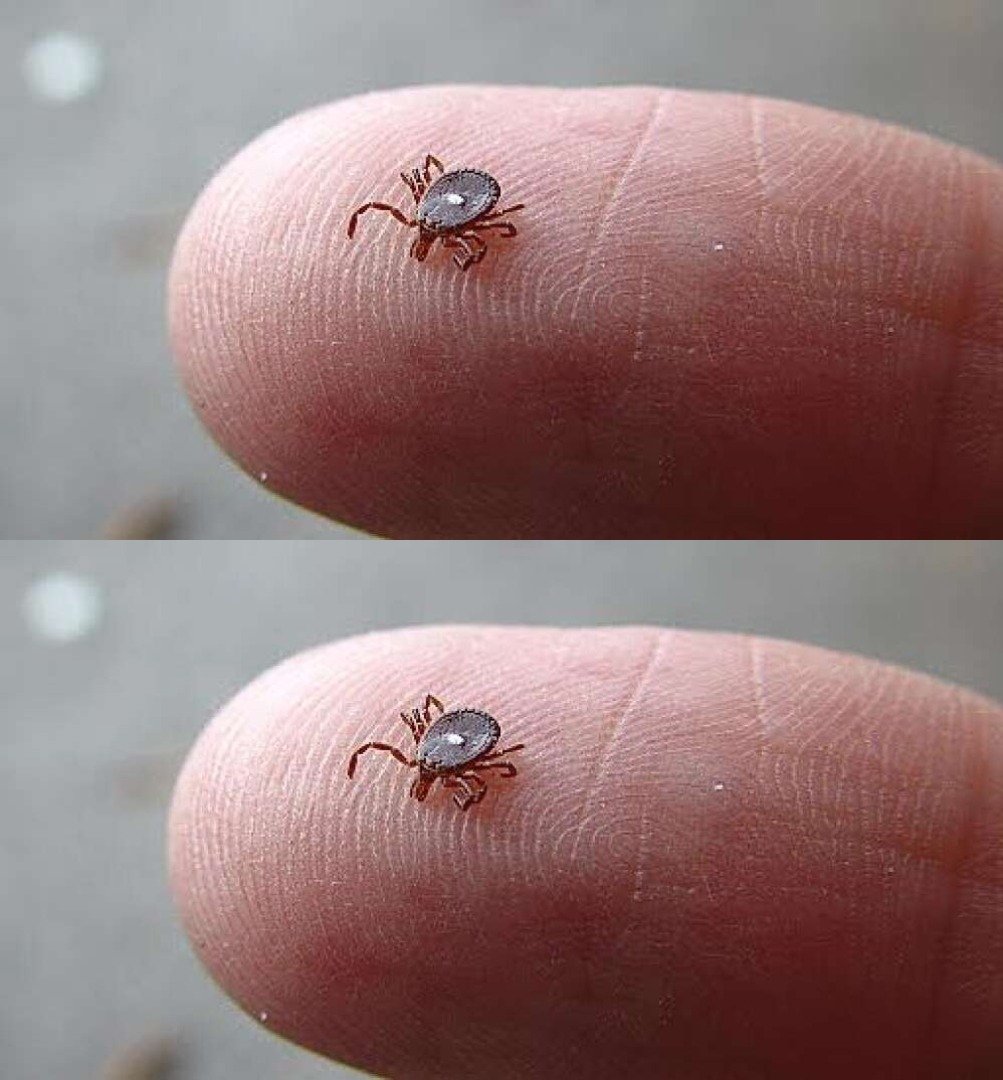
Finding a lone star tick attached to your skin can cause alarm, especially knowing they’re aggressive biters that hunt out hosts. Their single white dot on the female’s back helps identify them.
If you discover one, calmly remove it with fine-point tweezers, pulling upward without twisting. Make sure to disinfect the area afterward. Keep the tick in a sealed plastic bag for medical reference if symptoms develop.
Watch closely over the next few weeks for warning signs such as a rash resembling Lyme disease, fever, headache, or muscle pain. Some ticks carry bacteria that can cause serious illnesses; early detection and treatment make all the difference.
To avoid ticks, wear protective clothes, use tick repellents, and regularly inspect yourself, kids, and pets after being outside. Maintaining your yard by trimming grass and removing debris also limits places for ticks to live.
Understanding these quick, simple steps can help you manage lone star tick encounters safely.