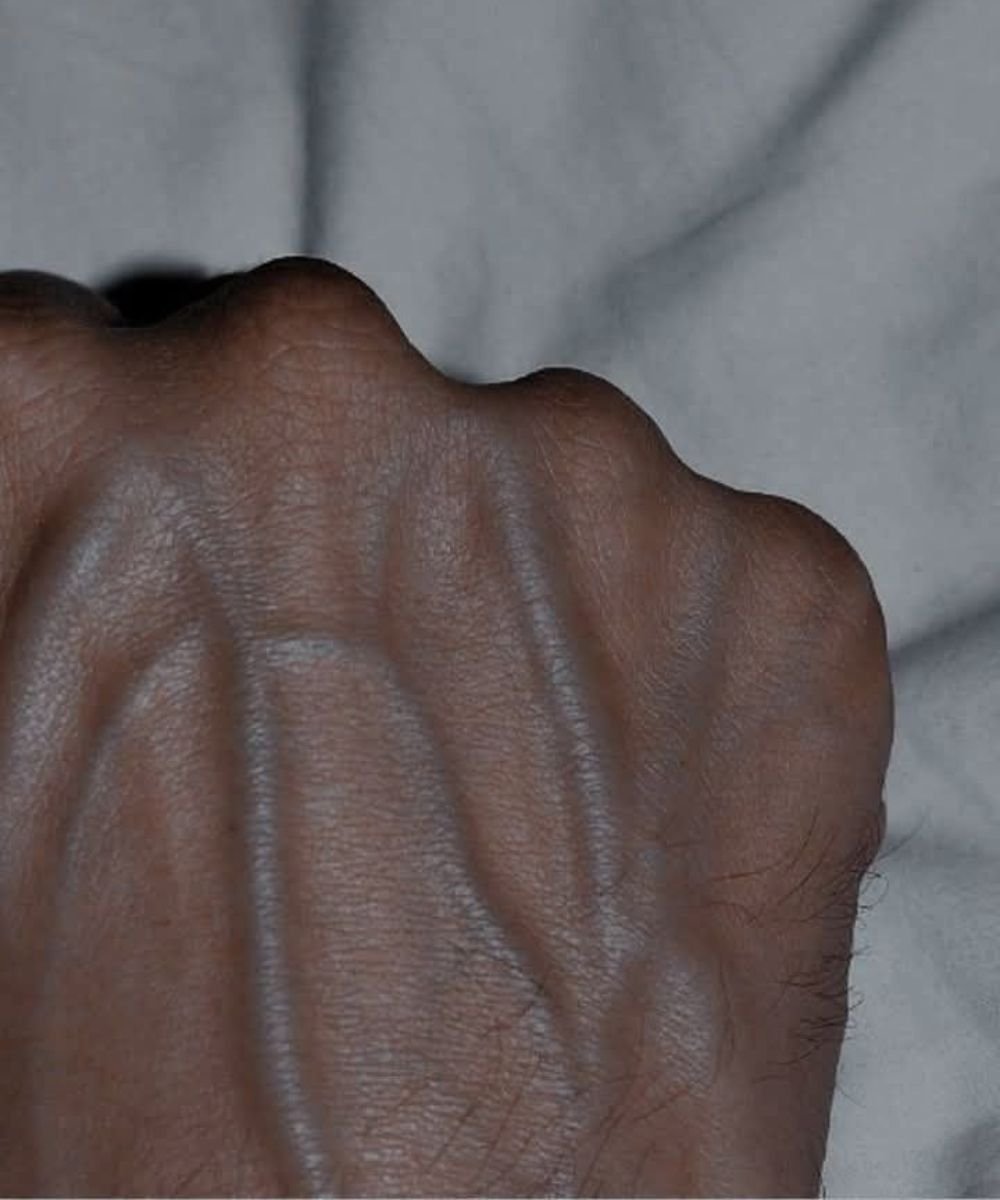
Seeing veins more clearly on your body often isn’t a concern—it can be simply due to aging, being lean, or staying active. But if veins change suddenly or become painful, it’s important to consider that a health problem might be at play.
Chronic venous insufficiency (CVI) happens when vein valves fail to push blood properly toward the heart, leading to swelling and bulging veins in the legs. You might also notice leg heaviness, pain, or skin sores. Those who sit or stand for long periods or are older are at higher risk.
Varicose veins commonly affect legs, causing twisted, enlarged veins that can feel itchy, achy, or tired. They often run in families, and pregnancy or obesity can increase your chances.
Deep vein thrombosis (DVT) is serious—a blood clot inside deep leg veins that can cause surface veins to look fuller. Symptoms are swelling, warmth, pain, or redness typically on one leg and require emergency care to avoid lung complications.
Heart issues like congestive heart failure (CHF) can cause fluid buildup, making veins more visible alongside breathlessness and swelling. Peripheral vascular disease (PVD), caused by blocked arteries, can also make veins stand out as blood finds alternate pathways. PVD can lead to cold, numb feet, slow-healing ulcers, and skin color changes.
If you see sudden changes in vein appearance, especially pain or uneven vein size, don’t wait—consult a healthcare provider. Your veins can reveal important messages about your vascular health, so attention is key to keeping complications at bay.