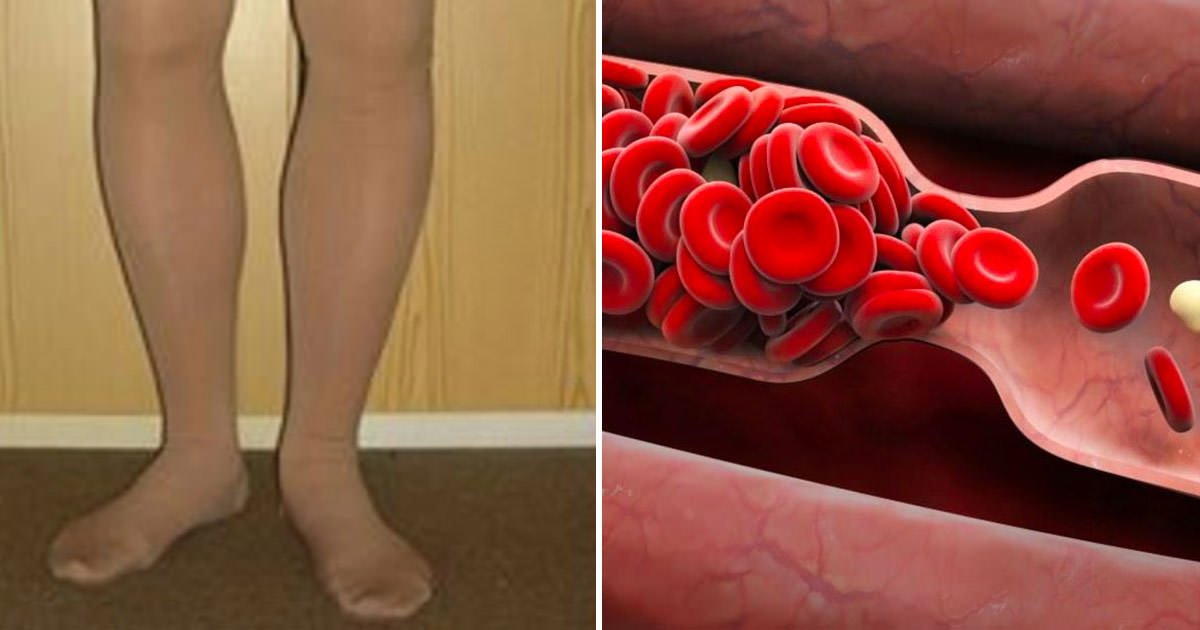
Blood clots block blood flow, which can cause life-threatening conditions including heart attacks, strokes, and pulmonary embolisms. Because symptoms can vary widely, being alert to possible signs is essential.

Look out for swelling in one leg or arm, often with redness and warmth. Pain, especially in the calves or thighs, could also indicate a clot. Red lines running along veins or changes in skin color might be visible.

Pain in the chest that feels sharp or heavy, coupled with shortness of breath and rapid heartbeat, can mean a clot in your lungs or heart. Persistent dry cough or coughing up blood is another grave warning.

A sudden headache with visual disturbances, weakness, confusion, or numbness often points to a stroke caused by clots in the brain.

Sudden, severe stomach pain with vomiting or bloody diarrhea could indicate clots in the abdomen.
If you notice any of these signs, getting medical help immediately is critical for your safety.