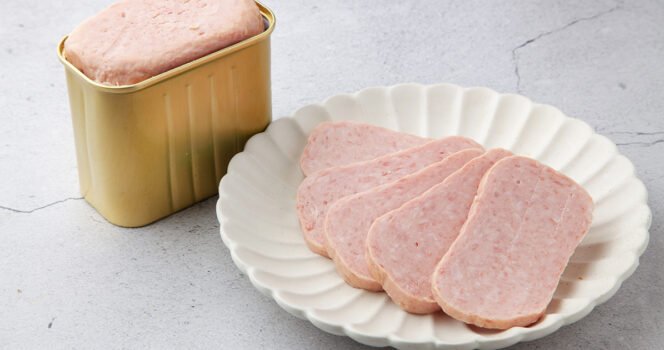
If you’ve seen a can of SPAM in a kitchen, especially an older one, you might wonder just what it is and what the letters mean. SPAM has been a pantry fixture for many years, but its origins and components remain a topic of fascination.
Introduced by Hormel Foods in 1937, SPAM gained fame during World War II as a trusted, non-perishable meat source for troops and families facing rationing.
People debate what “SPAM” stands for—some say “Specially Processed American Meat,” others “Shoulder of Pork and Ham.” Others joke about “Salt Preserves Any Meat” or “Spiced Ham.” One story from Time magazine says the name was made from “spiced” and “ham” in a naming contest, earning a prize.
The ingredients are basic: pork, water, salt, potato starch, sugar, and sodium nitrate. Hormel created it to fulfill the need for cheap meat during tough economic times, and its popularity has continued for decades.
The manufacturing process involves mixing pork and ham with other ingredients, canning, vacuum sealing, cooking, and then cooling. This simple process makes SPAM what it is.
SPAM isn’t just a nostalgic food item—it’s a symbol of creative preservation and sustenance over the years. Are you a fan or a skeptic? Let us know!