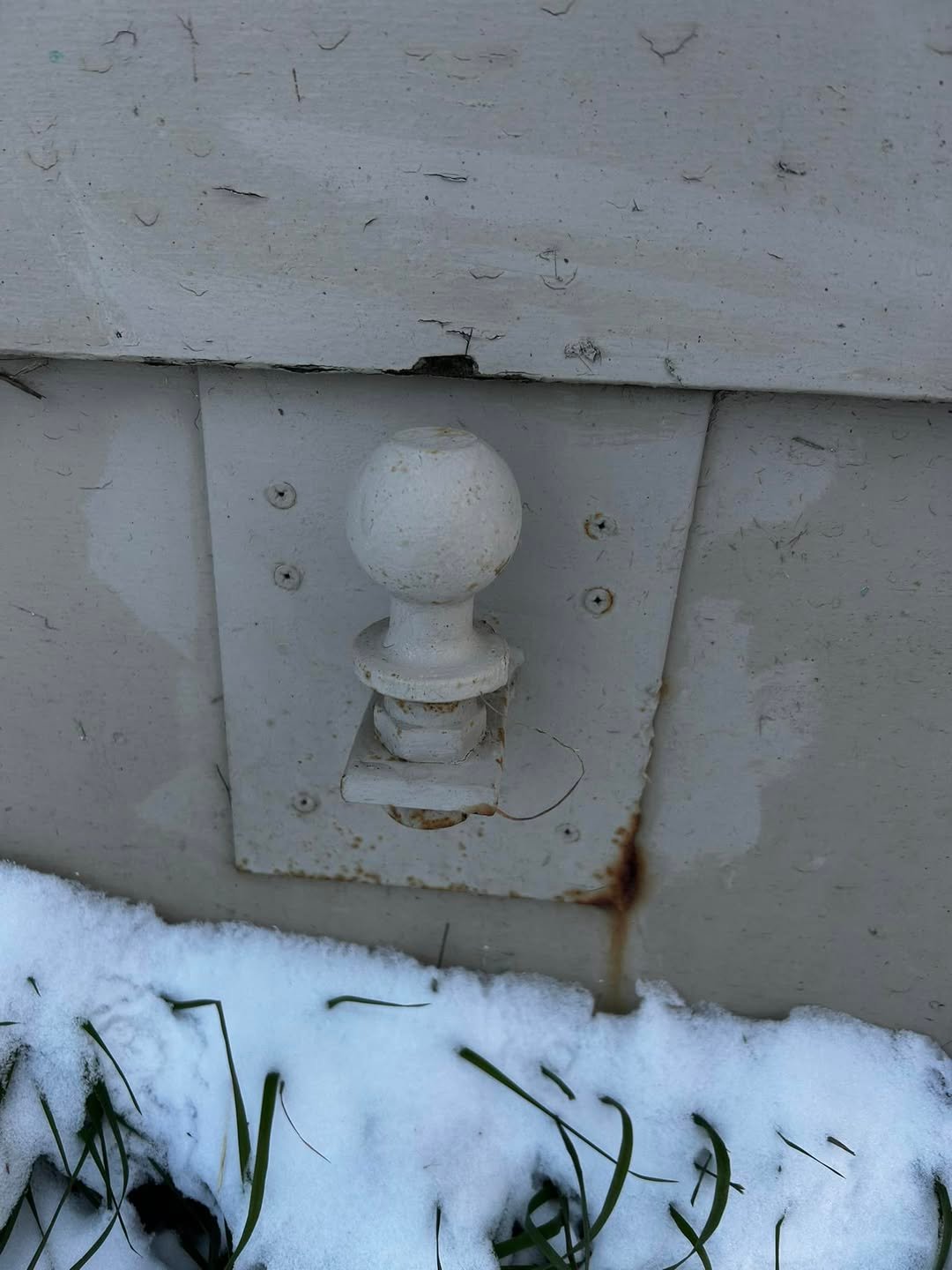
There’s real joy in finding a time-tested solution hidden in plain sight. That’s exactly what happened when I noticed an old trailer hitch tucked away in a snowy garage. It wasn’t just an everyday tool—it was a link to family traditions and the inventive spirit that defined my grandparents’ farm.
That place was always full of practical surprises: seats built from tree trunks and old tractor parts, odd little tools reshaped from whatever metal was handy, and, always, a perfect corner for resting the tongue of a trailer. None were fancy, but every inch was designed with care. The trailer hitch rest stood out. On the surface, it was nothing special, but it made storing and moving a trailer much simpler while saving the parts from rust and wear.
Others might have reached for whatever was close, like a brick or scrap piece of wood. But this hitch rest was steadier, cleaner, and wouldn’t collapse under the trailer’s weight. It was an example of making the most out of leftovers, something my grandparents did every day. On the farm, reusing, fixing, and reinventing was how you survived and thrived.
More than just practical, these tools represented a certain wisdom—a refusal to throw things away and a belief that anything could become useful again. The trailer hitch rest tells the story of people who didn’t have much but always found a way to make what they had work.
Even though the world has changed, and we have endless choices now, seeing something so cleverly built reminds us that “old” doesn’t always mean “obsolete.” Sometimes, old solutions are still the best ones. This unpretentious hitch isn’t just a part of the farm; it’s a reminder of a time when smart fixes were made out of necessity, not convenience.
In its quiet corner, it whispers stories of hard work, persistence, and creative problem-solving. That’s a lesson worth keeping, even as technology moves ever forward.