Snake bites can be alarming, but understanding the warning signs and first aid can make a big difference. If bitten, acting quickly and calmly is essential. Don’t believe myths like sucking out venom or cutting the wound—these can cause more damage.
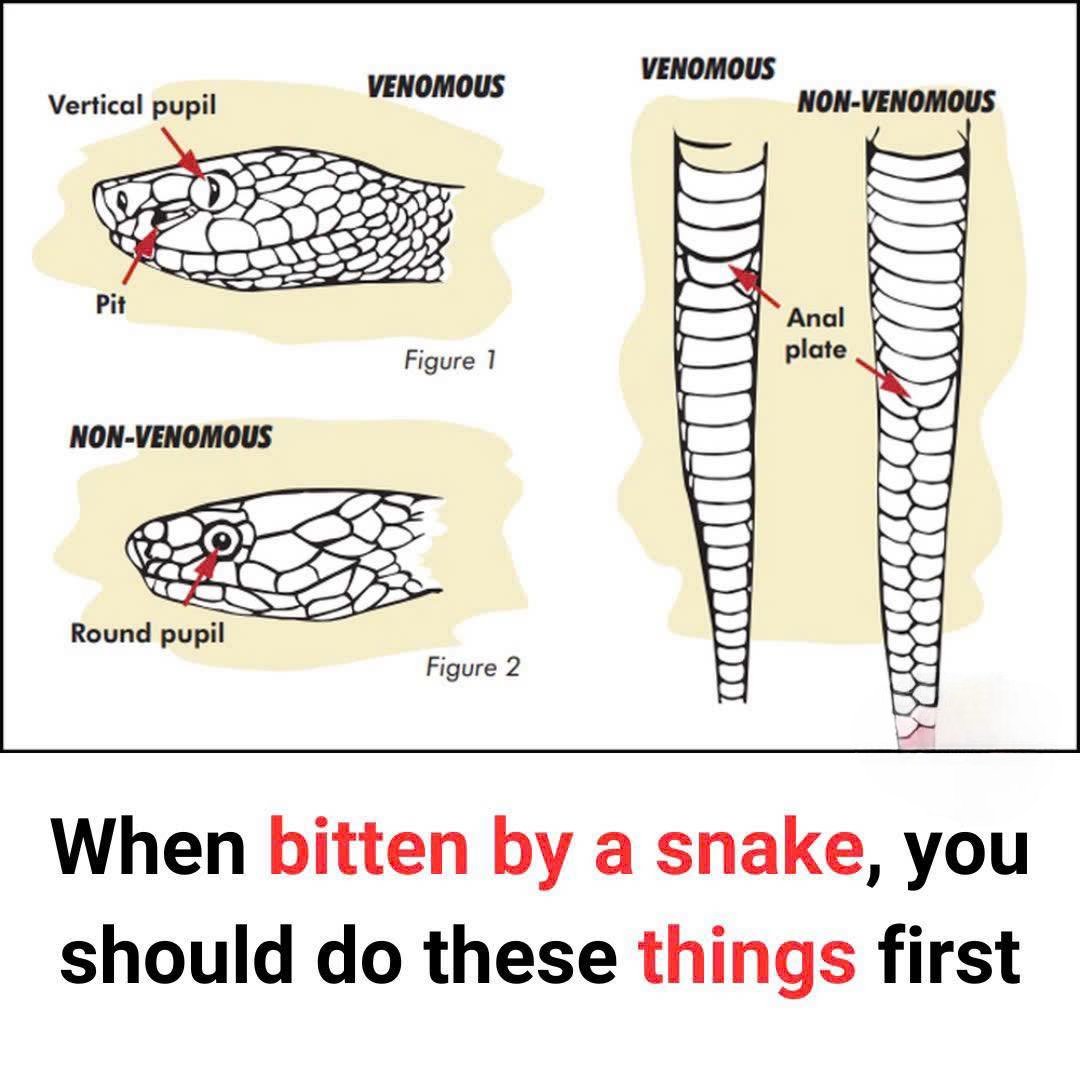
Most snakes in North America aren’t venomous, but some, like rattlesnakes, copperheads, cottonmouths, and coral snakes, can be dangerous. Pit vipers have triangle-shaped heads and heat sensors, while coral snakes have a distinctive red, yellow, and black band pattern. Remember the rhyme: “Red touches yellow, kill a fellow; red touches black, friend of Jack.”
Bites usually happen on arms or hands when people accidentally get too close. Nonvenomous bites cause mild pain and redness, while venomous bites lead to severe pain, swelling, nausea, and sometimes breathing problems. Coral snake venom affects nerves, causing weakness or paralysis. If unsure about the snake, treat the bite as venomous and seek medical help immediately. Dry bites still require attention.
If bitten, stay calm, call emergency services, and keep the limb still and below heart level. Remove rings or tight clothes to prevent swelling issues. If safe, note the snake’s appearance or take a photo for doctors.
Avoid cutting, sucking venom, icing, or tourniquets. Don’t consume alcohol or caffeine, and never try to catch the snake. Snakes avoid people and only bite when threatened. Wear protective clothing outdoors and stick to clear trails. Most bites aren’t deadly if treated properly. Knowing the facts can save lives—spread the word.