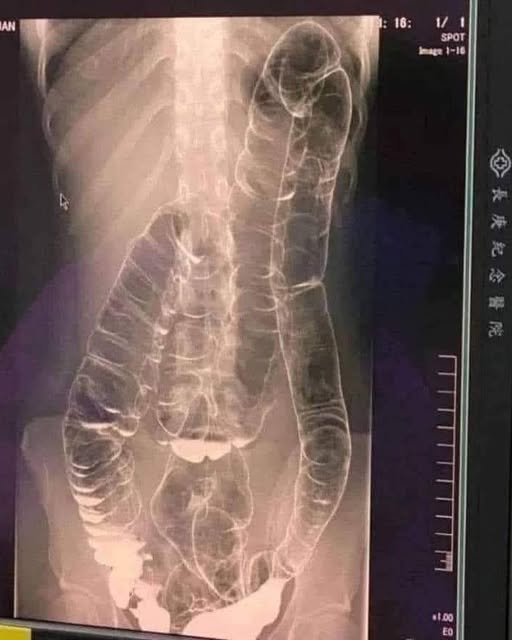
One woman’s health scare shows how serious constipation can become if ignored. After years of struggling with irregular bowel movements, she went over two weeks without one, feeling sicker each day. When she finally visited a doctor, tests revealed her colon was dangerously stretched, reaching toward her chest and threatening her heart. Her story is a wake-up call about the risks of untreated constipation and how to keep it in check.
When the digestive system slows, waste builds up in the colon, causing discomfort and bloating. Over time, the colon can stretch too much, losing its natural shape and ability to move waste along. This makes constipation worse, creating a tough cycle to break. In severe cases, like this woman’s, the colon’s stretched state can lead to life-threatening problems if not treated quickly.
Chronic constipation can also cause toxins to linger in the body, as stool sits in the colon too long. This can let harmful bacteria enter the bloodstream, leading to tiredness, skin problems, bad breath, or a weaker immune system. Straining to pass hard stool can cause painful hemorrhoids or small tears around the anus, called anal fissures. In rare cases, a complete blockage can cut off blood flow to parts of the gut, risking infections or tissue damage that may need emergency surgery. Research also suggests a link between long-term constipation and a higher risk of colorectal cancer due to ongoing inflammation.
Simple lifestyle changes can prevent these issues. Eating more fiber from foods like whole grains, fruits, vegetables, and seeds—think apples, chia seeds, or prunes—helps keep digestion moving. Drinking 8-12 cups of water daily softens stool, and warm lemon water in the morning can aid digestion. Moving your body with 15-30 minutes of walking, yoga, or stretching each day supports bowel health. A regular bathroom schedule, avoiding low-fiber foods like fast food or white bread, and natural remedies like fennel tea or magnesium can also help. If constipation lasts more than a week or includes severe pain, vomiting, or blood in the stool, see a doctor to stay safe and keep your digestive system healthy.