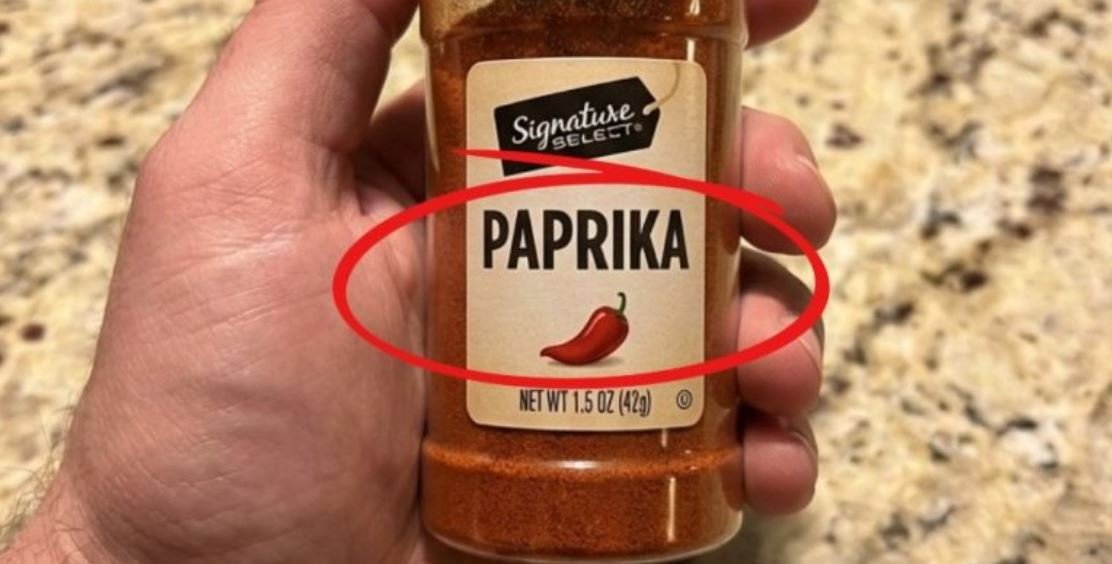
You’ve sprinkled it on deviled eggs, stirred it into goulash, and dusted it over roasted potatoes. But if you thought paprika came from a mysterious “paprika tree,” you’re not alone.
Recently, social media users were stunned to learn that paprika is simply made from dried and ground red bell peppers—yes, the same sweet, mild capsicums you buy at the grocery store.
No secret plant. No exotic fruit. Just sun-ripened red peppers, transformed into one of the world’s most beloved spices.
🌶️ So… What Exactly Is Paprika?
Paprika is a powdered spice made from dried, ground red Capsicum annuum peppers—the same species as bell peppers, but often specific varieties bred for color, sweetness, or mild heat.
Despite its vibrant red hue, most paprika is not spicy (unless labeled “hot” or “spicy”). It’s prized for its:
Rich color (thanks to carotenoids like capsanthin)
Earthy-sweet flavor
Aromatic depth
💡 Fun fact: Hungary and Spain are the world’s top paprika producers—and each has distinct regional styles!
🔍 The 3 Main Types of Paprika:🔍 The 3 Main Types of Paprika
1 Sweet (Classic):
Mild, fruity, slightly earthy
Deviled eggs, potato salads, creamy sauces
2Smoked (Spanish Pimentón):
Deep, woodsy, campfire-like
Chorizo, paella, roasted meats
3Hot:
Mild to moderate heat + sweetness
Stews, rubs, spicy dips
🇪🇸 Smoked paprika is made by drying peppers over oak fires—a technique perfected in Spain’s La Vera region.
🏠 Can You Make Paprika at Home? Yes!
It’s easier than you think:
What You’ll Need:
6–8 ripe red bell peppers (fully red = sweeter, deeper color)
A dehydrator or low oven
A spice grinder or high-powered blender
Steps:
Remove stems, seeds, and white ribs
Slice peppers thinly
Dry until brittle:
Dehydrator: 125°F for 8–12 hours
Oven: 170°F (lowest setting) for 4–6 hours, door slightly open
Grind into fine powder
Store in an airtight jar (keeps 6+ months)
✨ Pro Tip: Add a pinch of salt or smoked salt for extra complexity.
🌍 Why the Confusion?
Many assume paprika comes from a unique plant because:
It’s sold as a standalone spice (not labeled “ground pepper”)
Its deep red color seems “too intense” for bell peppers
Cultural distance from spice production (most of us don’t grow peppers for drying)
But just like cayenne (from chili peppers) or black pepper (from peppercorns), paprika is simply a processed form of a familiar vegetable.
🥘 How to Use Paprika Like a Pro
Don’t burn it: Add early in cooking with oil to bloom flavor—but avoid high heat (it turns bitter).
Color boost: Sprinkle on finished dishes for visual pop (deviled eggs, hummus, mashed potatoes).
Flavor layer: Combine with garlic, cumin, or oregano in rubs and marinades.
Go smoked: Transform soups, beans, or roasted veggies with Spanish pimentón.
💬 Final Thought
There’s no “paprika tree”—but there’s something even better: a humble pepper, dried and ground, turning everyday meals into something vibrant and soulful.
So next time you reach for that red tin, remember: you’re not just using a spice.
You’re using sunshine, patience, and centuries of culinary tradition—all in one pinch.
“The best flavors often come from the simplest truths.”
Did you know paprika was made from bell peppers? Have you tried making you