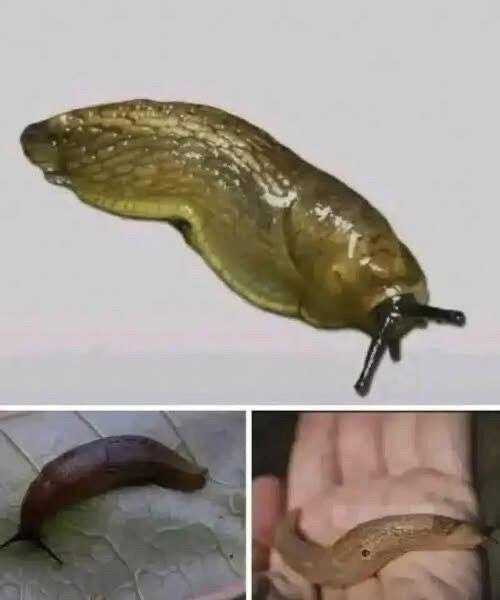
For many people, encountering a slug evokes little more than a grimace. Slimy, slow-moving, and often seen gliding across damp sidewalks or hiding under leaves in the garden, these creatures rarely inspire admiration.
Children shriek at their appearance, and adults often recoil, imagining the trail of slime they leave behind. Yet, behind their slippery, humble exterior lies a remarkable story.
Ecological Role: Nature’s Recyclers
In gardens, forests, and grasslands, slugs act as vital recyclers. They primarily feed on decaying plant matter, fungi, and other organic debris, breaking it down into smaller particles that enrich the soil.
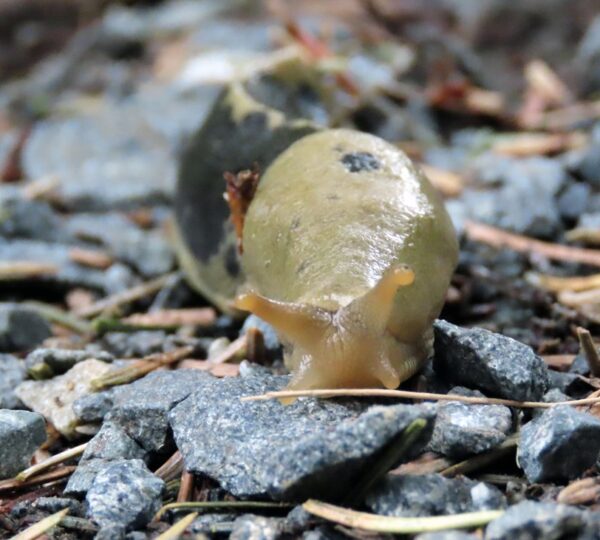
This process of decomposition is critical: without organisms like slugs, fallen leaves, rotting wood, and other detritus would accumulate unchecked, impeding new plant growth and altering nutrient cycles.
By consuming decaying matter, slugs help return vital nutrients—nitrogen, phosphorus, potassium—back into the soil, supporting plant health and promoting the growth of trees, shrubs, and garden vegetables. In this way, slugs function as natural gardeners, quietly maintaining the balance of ecosystems.
Moreover, slugs serve as a crucial food source for a variety of animals. Birds such as thrushes and blackbirds rely on slugs as an energy-rich snack, particularly during breeding season when they need protein to feed their chicks.
Amphibians, including frogs and toads, consume slugs as part of their diet. Even mammals like hedgehogs and shrews depend on them for sustenance.
By supporting these predators, slugs contribute to the health and diversity of entire food webs, illustrating that their value extends far beyond the ground they crawl on.
Slugs and Soil Health
Beyond serving as decomposers, slugs influence soil structure and fertility in ways that are subtle but significant. As they move through the undergrowth, they burrow slightly into the soil, creating tiny channels that aerate the earth.
These channels allow water, oxygen, and nutrients to penetrate deeper, improving soil quality. In agricultural settings, this natural activity helps sustain crops by maintaining healthy, loose soil that is conducive to root growth.
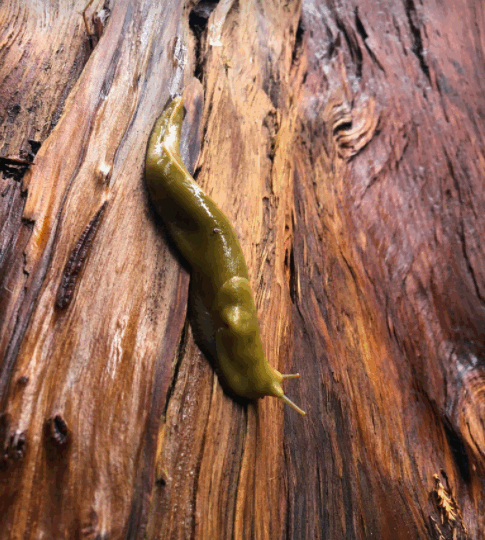
Additionally, slug feces, often rich in partially digested organic matter, function as a natural fertilizer. While the idea of handling slug waste may provoke disgust, it is a nutrient-rich material that feeds microorganisms, fungi, and plants alike. Essentially, slugs act as tiny composters, converting waste into life-giving material.
Unique Biology: Why Slugs Fascinate Scientists
Slugs belong to the mollusk family, related to snails but without the external shell. This lack of a protective shell requires unique adaptations.
Their mucus, which is often the source of human distaste, is in fact a multifunctional biological marvel. It keeps their bodies moist, allowing them to move across rough surfaces without injury, and helps protect them from predators.
Some slugs can even produce sticky or toxic mucus when threatened, demonstrating an evolutionary sophistication that belies their simple appearance.
The composition of slug mucus has attracted scientific interest for decades. Its combination of water-retaining proteins and protective compounds inspired applications in human medicine and cosmetics.
In skincare, snail and slug mucus—often harvested in controlled environments—is valued for its hydrating and regenerative properties. It contains compounds such as glycoproteins, hyaluronic acid, and antioxidants that can soothe skin, aid repair, and protect against damage.
As a result, creams, serums, and masks containing slug-derived substances have gained popularity worldwide, highlighting an unexpected benefit of these humble creatures.
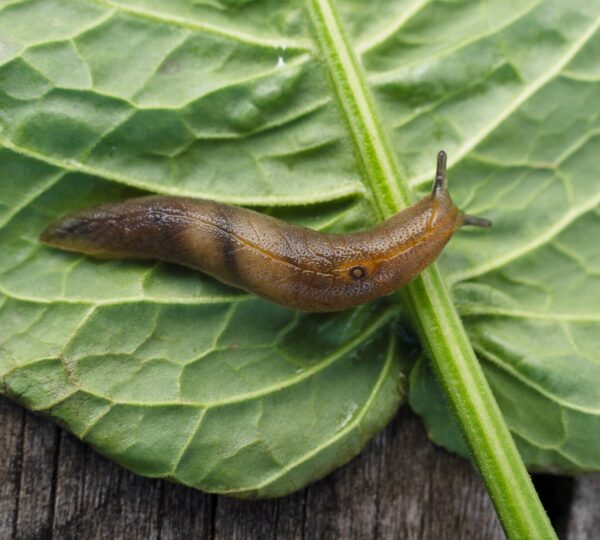
In biomedical research, the adhesive and healing properties of slug mucus are even more revolutionary. Scientists are studying its potential as a natural medical glue for wounds, burns, and surgical repairs.
The mucus adheres to wet surfaces, making it an ideal candidate for applications where traditional adhesives like stitches or staples may be less effective.
This research demonstrates how a simple organism can provide insight into complex medical challenges, offering sustainable alternatives to synthetic solutions.
Neurological Research: Small Creatures, Big Insights
Slugs may also help scientists understand one of the most complex systems in nature: the brain. Certain species, such as the sea slug Aplysia, have relatively simple nervous systems, yet exhibit behaviors that mimic learning and memory.
These mollusks are ideal models for studying neurological processes because their neurons are large and accessible for observation.
Research with slugs has provided key insights into how memories form, how learning occurs, and how neurological diseases may develop. For example, studies of synaptic plasticity—the strengthening and weakening of connections between neurons—often use slugs to understand human memory mechanisms.
By observing how these simple creatures adapt to stimuli, researchers gain clues about complex brain functions, neurological disorders, and even potential treatments for cognitive decline.
Misunderstood but Essential
Despite their ecological and scientific importance, slugs are often misunderstood. Gardeners frequently view them as pests because they consume seedlings and leaves.
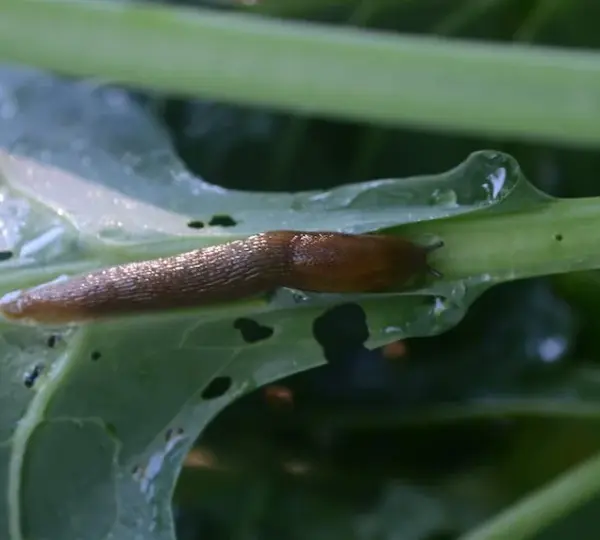
However, their role in decomposition and soil fertility outweighs these minor inconveniences. With proper garden management—such as using organic deterrents or encouraging natural predators—humans can coexist with slugs while benefiting from the ecological services they provide.
Slugs also demonstrate remarkable survival strategies. Their ability to adapt to varied climates and habitats—from lush forests to arid regions—illustrates their resilience.
Some species can survive periods of drought by retracting into cool, moist soil or secreting protective mucus. Others can regenerate parts of their bodies when injured, a testament to their biological ingenuity.
Cultural Significance and Human Curiosity
Beyond science, slugs have a subtle presence in human culture. In literature, they are often symbols of patience, persistence, and humility, embodying the principle that even the slowest and smallest creatures have a purpose.
Children’s books and educational programs increasingly highlight slugs as important, fascinating organisms, challenging negative perceptions and fostering early ecological awareness.
Artists and designers have even drawn inspiration from slugs’ unique forms and textures. Their slime trails, often seen as messy, are studied for patterns of movement, adhesion, and flow—ideas that influence design in fields ranging from robotics to material science.
Some engineers are exploring bio-inspired adhesives and coatings, taking cues directly from the properties of slug mucus to create materials that stick, glide, or protect surfaces under challenging conditions.
A Balanced Perspective
While slugs may never be celebrated for beauty or speed, their ecological, scientific, and cultural contributions are undeniable. They:
Recycle organic matter, enriching soil and supporting plant growth.
Serve as a vital food source for birds, amphibians, and small mammals.
Promote soil aeration and nutrient cycling.
Inspire skincare innovations and medical research.
Aid neurological studies that advance understanding of human cognition.
Influence art, design, and bio-inspired technologies.
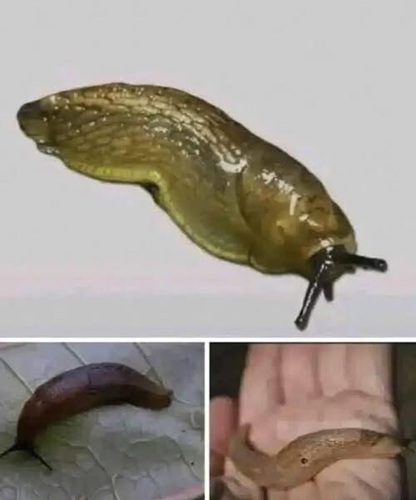
In short, slugs are far more than slimy intruders in our gardens—they are integral components of ecosystems and sources of knowledge and innovation for humans.
Rethinking Our Relationship With Slugs
Recognizing the value of slugs requires shifting perspective. Rather than seeing them solely as pests, we can appreciate them as contributors to biodiversity and scientific discovery.
Encouraging natural predators in gardens, minimizing chemical pesticides, and observing slugs’ behavior can foster a greater understanding of the delicate balance in our environments.
Moreover, humans can learn lessons from slugs’ resilience, adaptability, and quiet industriousness. They remind us that even the smallest, slowest, and least glamorous creatures have roles that are vital and meaningful.
Their presence is a testament to the interconnectedness of life, demonstrating that ecological health relies on contributions from creatures both big and small.
Conclusion: The Hidden Heroes of Nature
So, the next time you spot a slug gliding across your garden path, resist the urge to shudder. Consider the remarkable roles these creatures play: gardeners of the soil, sustenance for predators, inspiration for science and medicine, and living symbols of persistence and adaptability.
Slugs are a reminder that even the most unassuming organisms can hold immense value, shaping ecosystems, advancing human knowledge, and influencing creativity in unexpected ways.
Though slow and slimy, slugs are anything but insignificant. From cleaning nature’s waste to inspiring cutting-edge research, they quietly remind us that every creature has a purpose—and that purpose is often more profound than appearances suggest.
By embracing a more informed view of slugs, we acknowledge the intricate balance of nature and the surprising ways in which life, even in its humblest forms, enriches our world.