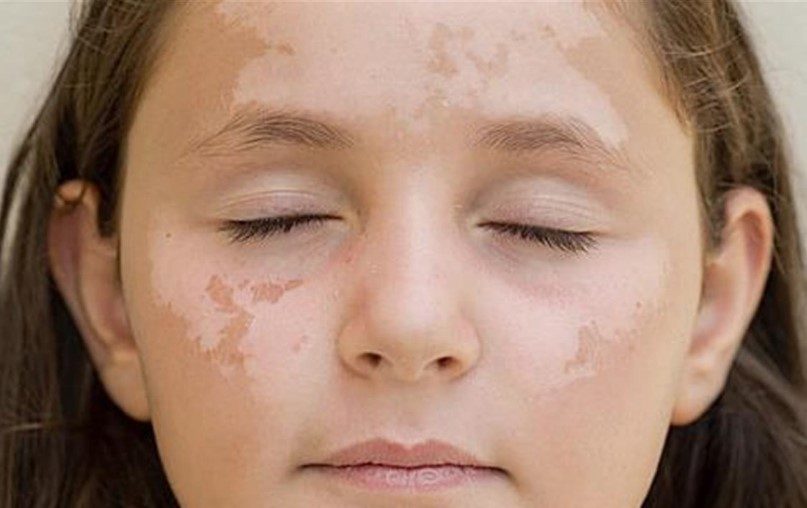
Childhood should be a time of playful confidence, but for kids with visible differences, it can be a landscape of awkward stares and painful exclusion. Nova knew this world well. Growing up with vitiligo, she felt the sting of standing out. She retreated into herself, masking her skin under layers of clothing. Her grandmother, Maribel, watched this with a knowing heart—she had walked the same path. Rather than offering hollow reassurances, Maribel decided to speak a language of pure love: the language of creation.

Sitting at her well-worn crafting table, Maribel began to crochet. Her project was a deliberate act of love. She crafted a doll with a patchwork of yarn colors, perfectly mirroring the beautiful mosaic of Nova’s own skin. When Nova held the finished doll, a profound shift occurred. For the first time, she saw her own image reflected back not as something to be explained, but as something to be cherished. The doll became a bridge between Nova’s private shame and public pride, a constant companion that whispered, “You are perfect as you are.”
The impact of that one doll rippled far beyond Nova’s bedroom. As stories were shared, Maribel found herself crocheting for children across the country. Each doll was a custom portrait, a soft, huggable affirmation for a child who needed it. Parents reported quiet miracles: children who had hidden their arms began wearing short sleeves, their doll clutched tightly. The dolls sparked conversations in classrooms and living rooms, turning a symbol of difference into a celebration of diversity. Maribel, with Nova by her side, transformed her craft into a mission. They proved that empowerment doesn’t always require grand gestures; sometimes, it’s woven, stitch by gentle stitch, in the quiet hands of a grandmother who decided to make the world look a little more like her beloved granddaughter.