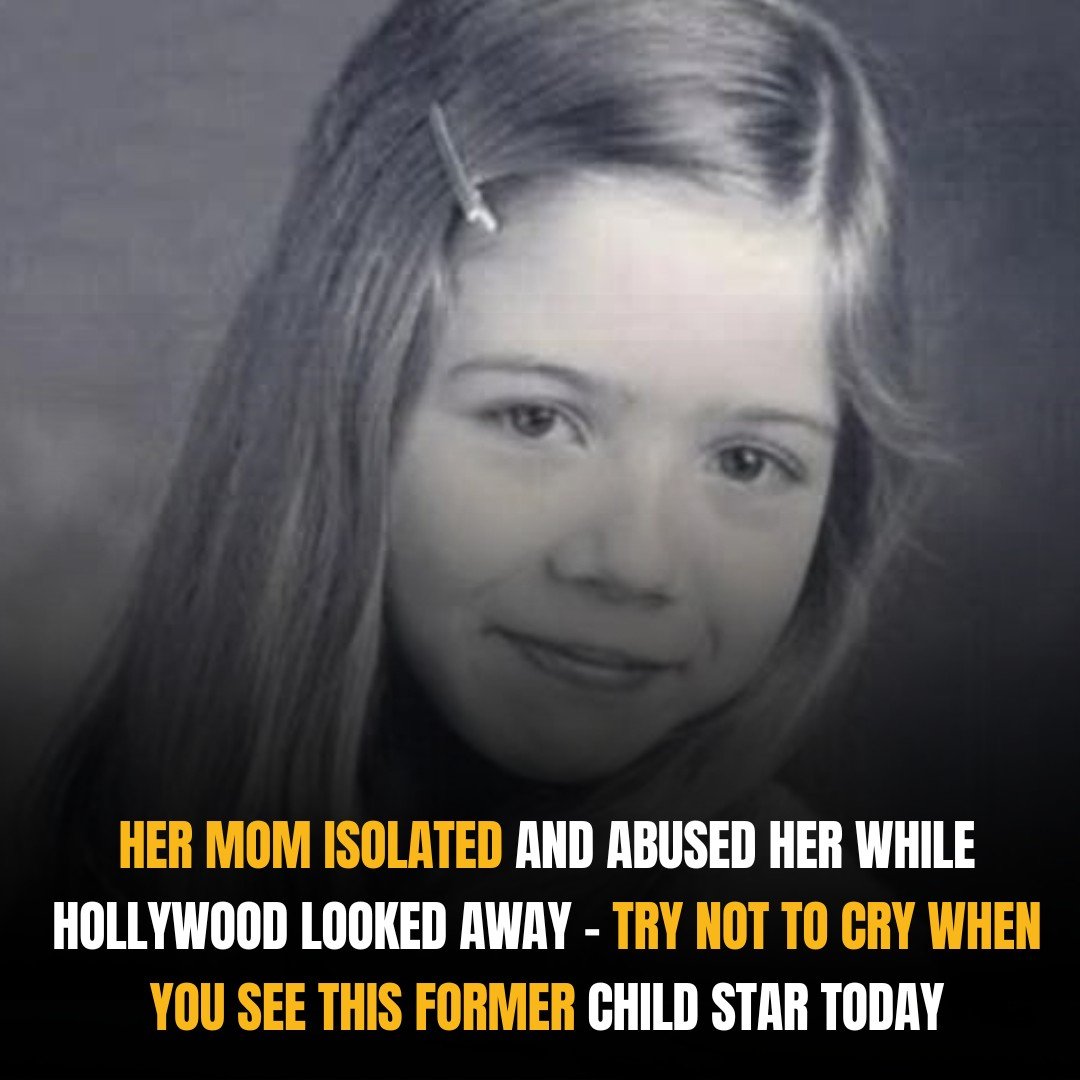
The sparkle of child stardom often hides a darker reality. For Jennette McCurdy, the gap between her public image and private life was a chasm. Growing up in a home strained by her mother’s cancer and hoarding disorder, normalcy was a foreign concept. Piles of belongings filled the house, forcing the children to sleep on mats in the living room. Within this chaos, Jennette learned her role: to be the good girl, the fixer, the hope. Her natural childhood curiosity about acting was quickly funneled by her mother into a professional pursuit, a solution for the family’s financial woes.
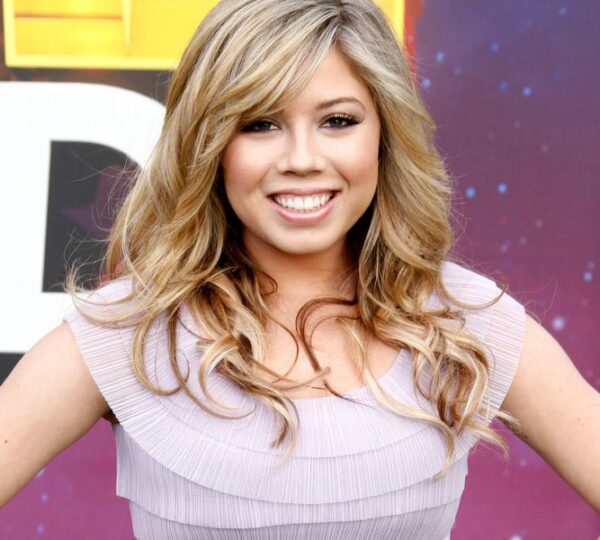
Her career took off, but her childhood vanished. By age ten, she was a significant earner; soon, she was the sole provider. The pressure was immense, and her mother’s control tightened in response. Jennette’s body, diet, and personal routines were scrutinized and regulated, leading to lasting struggles with food and self-image. On the set of hit shows, she delivered comedy while wrestling with intense anxiety and the isolating burden of supporting her entire family. The industry, she would later reveal, often failed to protect her, with some figures exploiting her youth and vulnerability.
Her mother’s passing was a devastating and complex turning point. The loss of her primary controller left Jennette adrift, confronting a tsunami of grief, guilt, and unresolved trauma. Without the rigid structure of her old life, she floundered, but she also began the slow, painful process of therapy. She started to untangle the web of manipulation she had lived within, recognizing that the acting career she’d always known was not her choice, but an assignment from her mother. With this clarity came an incredible act of self-preservation: she left Hollywood behind.
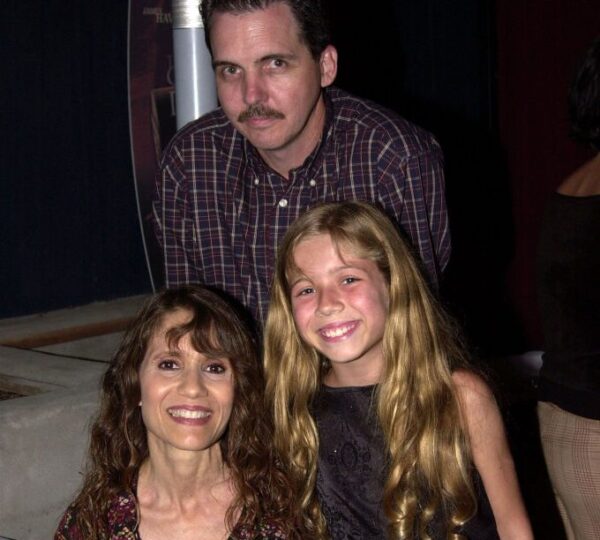
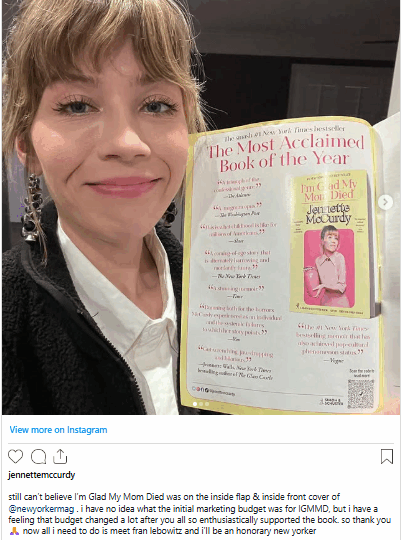
Reclaiming her story became her new purpose. Her memoir, with its deliberately provocative title, was a raw excavation of her past. She wrote about the invasive control, the exploitation, and the shocking family secret she discovered after her mother’s death—that the man who raised her was not her biological father. The book was a defiant act of truth-telling that connected with millions, offering a voice to those who had endured similar silent struggles. It marked her transformation from a pawn in other people’s narratives to the author of her own.
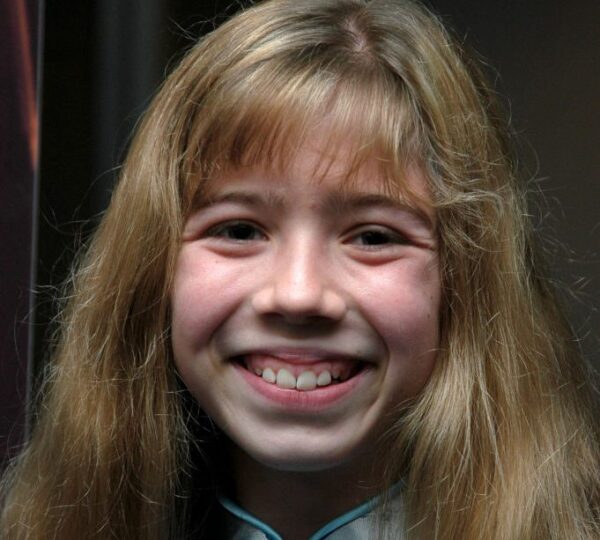
Now in her thirties, Jennette McCurdy has built a life on her own terms. She hosts a podcast, advocates for mental health, and is adapting her memoir for television—this time wielding creative control. Her journey from a controlled child star to a self-possessed woman underscores a powerful message: healing is not about erasing the past, but about finding the courage to tell the truth about it, and in doing so, building a future defined not by survival, but by authenticity.