In the aftermath of a devastating accident, two men defined themselves through their actions. For Lily Adams, the contrast could not have been starker. Her husband, Victor, saw her catastrophic injury through a lens of cold calculation. To him, her broken spine was a liability, an expense with poor ROI. He abandoned her at her most vulnerable, refusing to pay for life-altering surgery, viewing her not as a person but as damaged goods. His cruelty was transactional, his departure absolute.
The other man was Gabriel, a stranger whose car was involved in the collision. Guilt-ridden and compassionate, he stayed when Victor walked away. He witnessed the abandonment from the hospital waiting room and made a decision born of empathy and his own painful history. Without fanfare or expectation, he used his wealth to anonymously cover the enormous cost of Lily’s surgery. His act was not an investment, but a redemption; he was buying a chance he never had for someone else. He asked for no credit, only that she have the opportunity to heal.
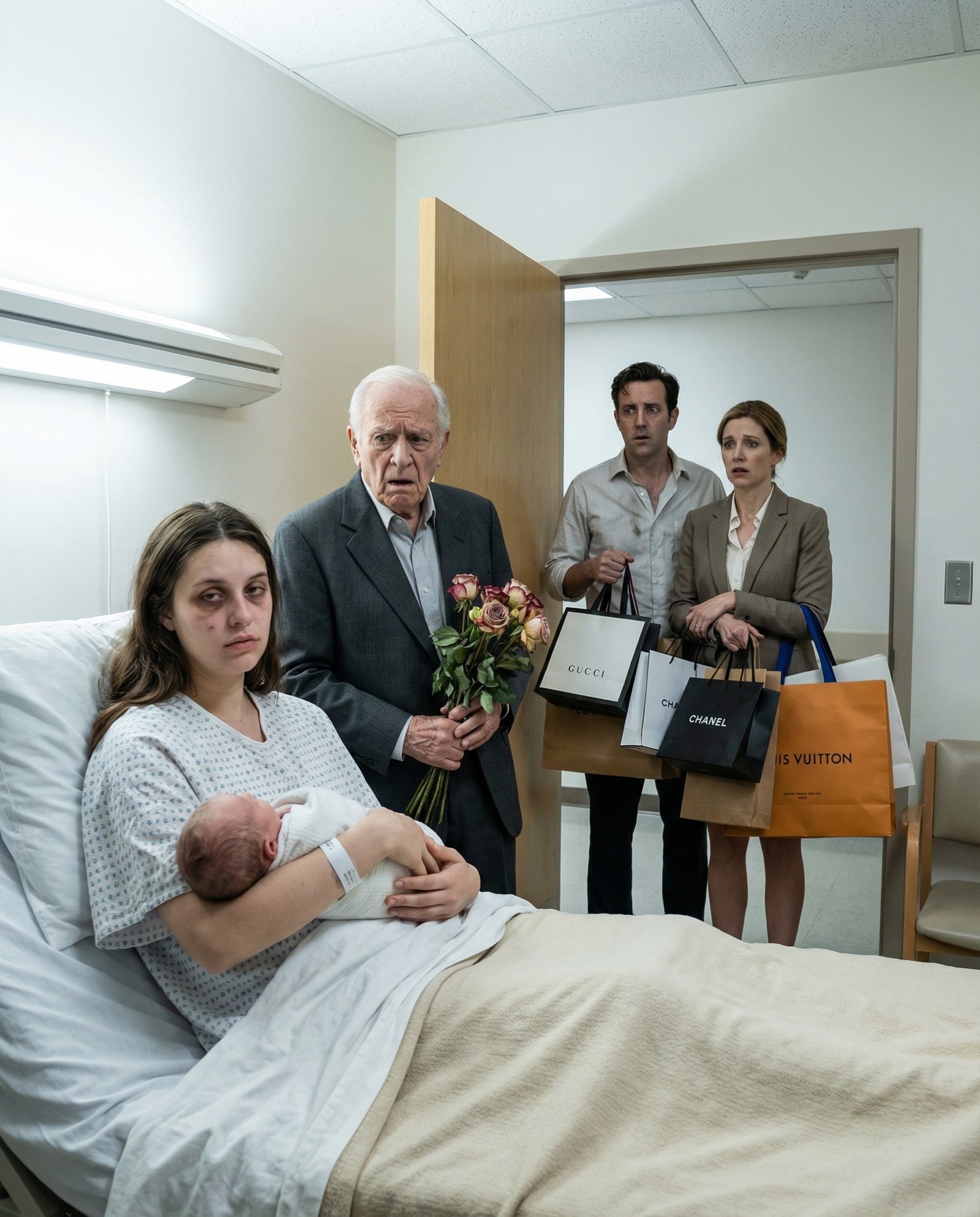
Three days later, these two paths collided in a hospital room. Lily, having discovered the truth of her funding and armed with legal papers from her sister, a paralegal, was ready. When Victor returned solely for his forgotten Rolex, he was met not with a broken woman, but a standing one. He was served with divorce papers, his prized watch was symbolically shattered at his feet, and he was removed by security. Gabriel’s quiet act of salvation had given Lily the strength not just to stand, but to rebuild. The story became one of profound human contrast: the destructive power of cold entitlement versus the restorative power of selfless grace.