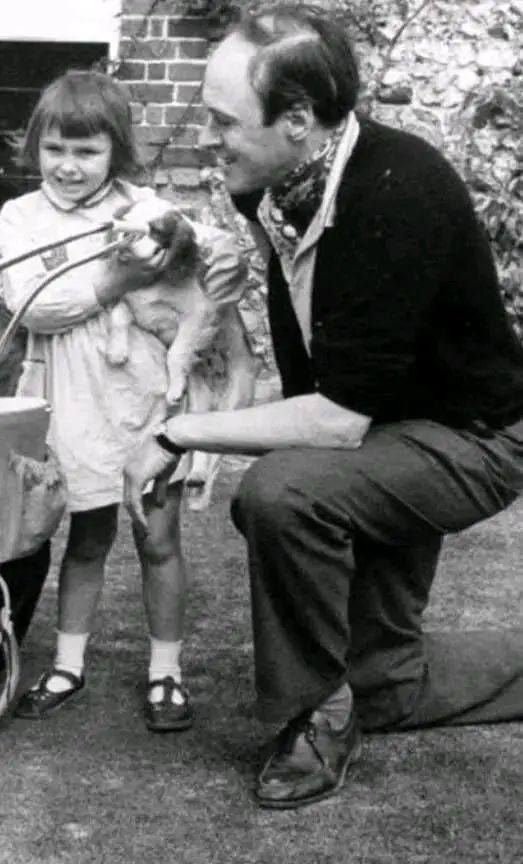
We know Roald Dahl as the genius who gave us giants, witches, and dream-catching adventures. Yet, one of his most important stories was not a work of fiction. It was a true account of family, loss, and a father’s determined fight to save other children. Decades ago, Dahl penned a powerful essay recounting how measles stole the life of his eldest daughter, Olivia, and how that tragedy fueled a lifelong drive for immunization.
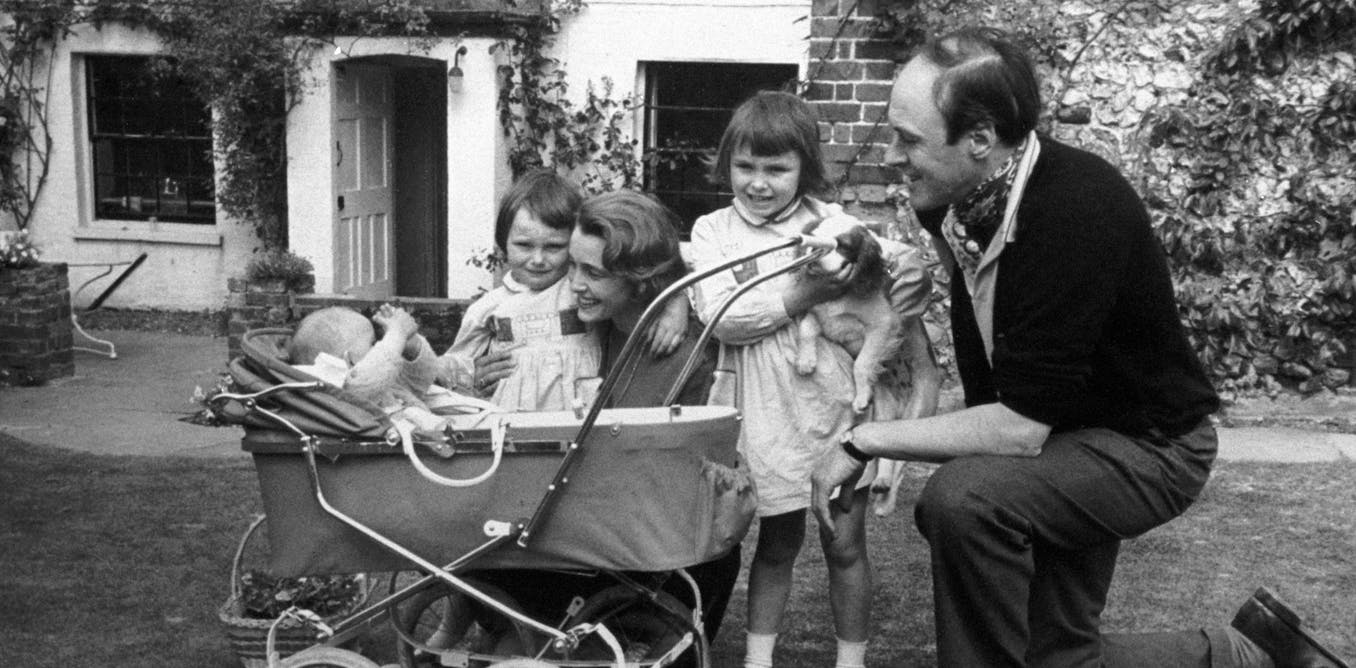
The illness began like any other childhood case. Olivia was seven, resting at home while recovering from measles. Dahl remembered a moment of normalcy, sitting together crafting animals from pipe-cleaners, before everything changed. He saw her growing confused and drowsy. Her gentle complaint of feeling sleepy was the first sign of a catastrophic turn. Measles had led to encephalitis, causing fatal brain swelling. In less than a day, she was gone.
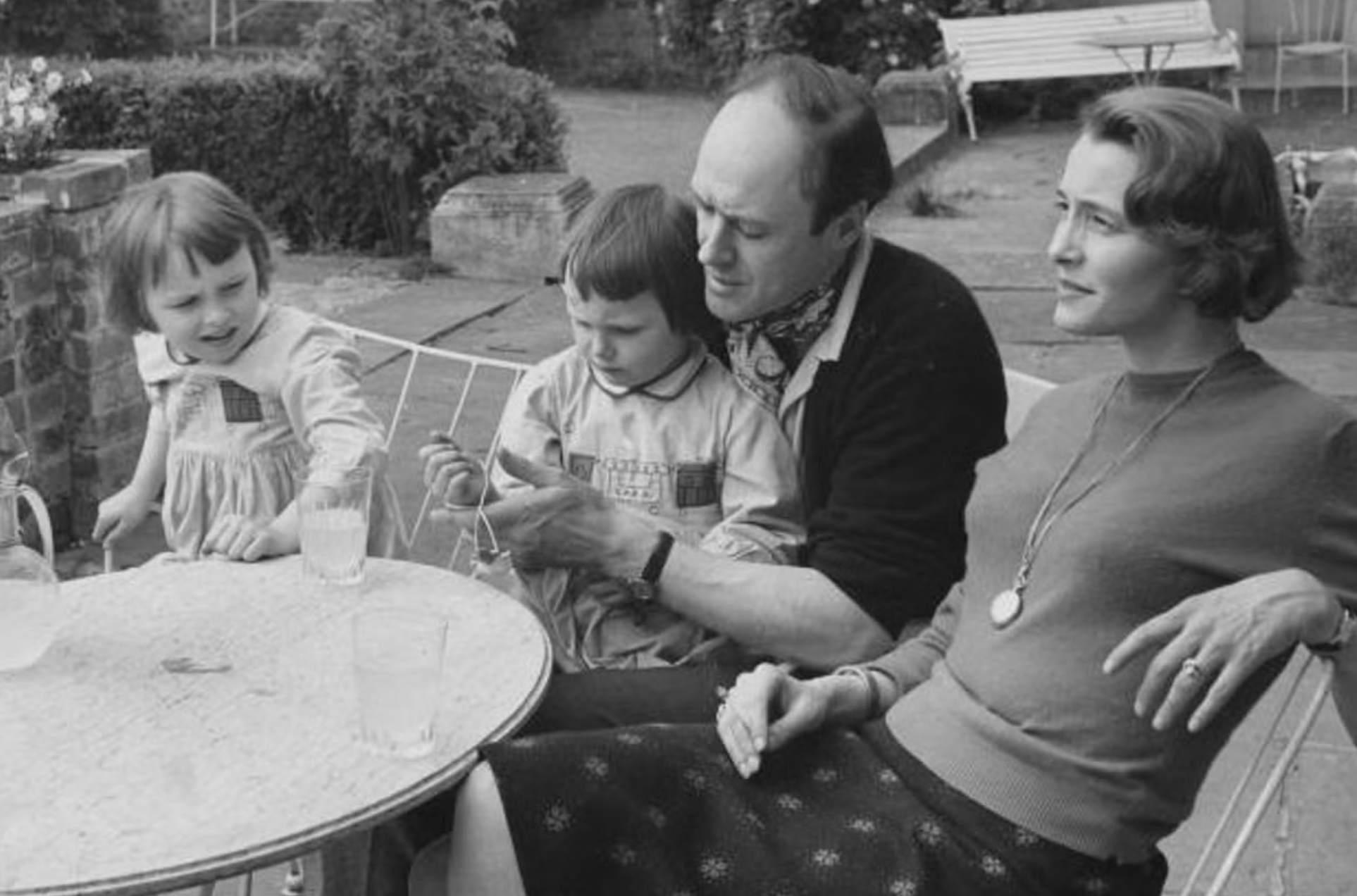
This sudden loss left an indelible mark on the author. The whimsical writer of children’s tales was now a man on a serious mission. He understood that a vaccine, which became available after Olivia’s time, could have saved her. Haunted by the word “preventable,” Dahl dedicated himself to making sure other families were spared this nightmare. He became an unwavering advocate, using his platform to speak directly to the hearts of parents everywhere.
In his writing, Dahl combined clear facts with deep emotion. He stressed that while medical treatment for such measles complications remained limited, the prevention was safe, effective, and in everyone’s hands. He urged parents to view vaccination not as a choice, but as a vital shield. His fame lent weight to the public health message, but it was his authentic sorrow that made it resonate so deeply and personally with readers.
Dahl’s legacy is twofold. We have the enchanting books, some lovingly dedicated to Olivia’s memory. And we have his contribution to public health, a crusade born from love. His story reminds us that progress is often driven by personal passion. Even today, in a world where measles can still resurge, Dahl’s heartfelt plea echoes: protect the children, value the science, and never take such a preventable threat for granted.