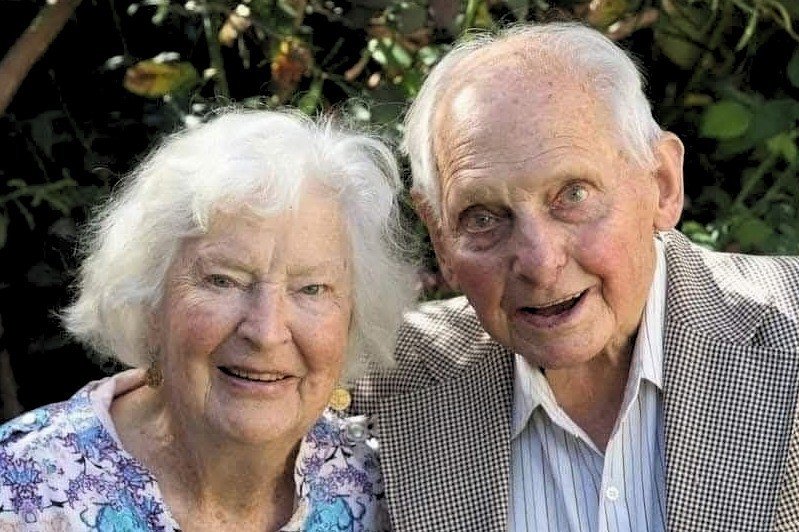
Look around your family gathering. If you are lucky enough to have a member born between 1930 and 1946, you are in the presence of a rare treasure. This group, now just 1% of us globally, carries within them the quiet wisdom of a world that seems almost mythical today. Their perspectives, shaped by climbing from the depths of hardship to the heights of progress, offer lessons in living that our fast-paced modern life often forgets.
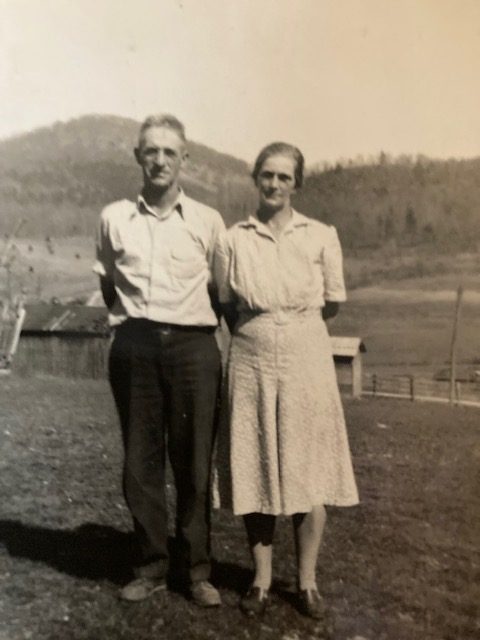
Their childhoods were masterclasses in making do. Born during the Great Depression or the war years, they understood true scarcity. A piece of fruit was a luxury, a new toy a miracle. They watched their parents mend and repurpose everything, learning that value isn’t about price, but about care and utility. This instilled a mindset of resourcefulness and gratitude that stands in stark contrast to today’s culture of easy consumption. They don’t just remember hard times; they carry the practical skills and profound thankfulness that those times engendered.
Their adolescence and young adulthood were defined by a powerful, collective rebuilding. After the uncertainty of war, they helped craft an era of remarkable stability and hopefulness. They started families, bought homes, and embraced new inventions like the television and washing machine—not as distractions, but as tools to foster more family time and comfort. They built communities where doors were left unlocked and neighbors knew each other’s names. Their sense of security wasn’t abstract; it was built on tangible progress and close-knit relationships.
Perhaps their most precious legacy is their experience of a focused, imaginative childhood. Without screens to captivate them, their world was built outdoors and in their minds. They learned to invent games, to explore, and to find joy in simple interactions. Family time meant gathering around the radio, sharing a single broadcast, and talking about it afterward. This fostered deep attention spans and rich family bonds formed through shared, real-world experience.
As this generation gracefully ages, we risk losing more than just beloved grandparents. We risk losing a direct connection to a way of life that prized durability, community, and quiet resilience. They are the last who remember buying a first television, the thrill of a long-distance phone call, and the awe of watching a man walk on the moon for the very first time. Their stories are not nostalgia; they are guideposts. They remind us that happiness can be built with less, that strength is forged in challenge, and that the most important networks are not digital, but human. Let’s listen closely, for their quiet voices hold the echoes of a profound and passing era.