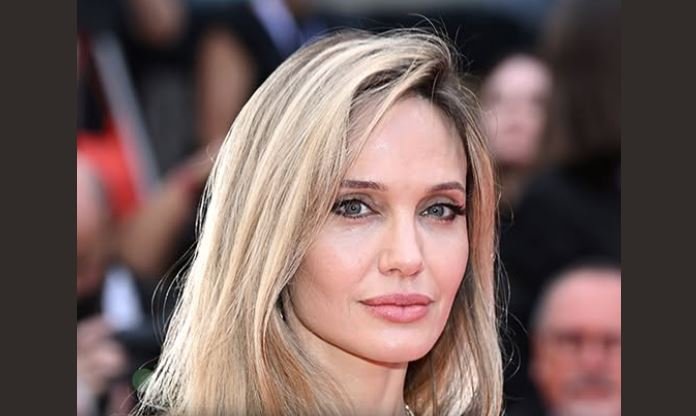
When Vanity Fair published its latest White House feature, the text was almost secondary. The real story erupted from the photographs—specifically, a tightly framed, detailed portrait of Press Secretary Karoline Leavitt. The image, characterized by its unflinching closeness, detonated across social media. Critics pounced, accusing the magazine of a deliberate, mean-spirited attempt to make Leavitt look bad. The comments were harsh, focusing on her appearance with remarks about “lip injection marks” and calling her a “rough 28.” The episode became a case study in how a portrait can become a cultural lightning rod.
The public reaction assumed a narrative of intentional humiliation. The theory went that such a result required a coordinated effort: a photographer, a makeup artist, and editors all colluding to highlight perceived flaws. This belief turned the photo into a symbol of media bias for some, and a moment of comeuppance for others. The divide was stark, highlighting how visual media is consumed through a partisan filter. What was presented as a stylistic choice was instantly decoded as a political statement, revealing the deep suspicion that now greets mainstream media portrayals of certain figures.
View this post on Instagram
In response to the uproar, photographer Christopher Anderson offered a clarification of intent, not an apology. He explained that his approach involves using the close-up to strip away the polished facade of political performance. His goal, he stated, is to move beyond the theater and capture something more authentic and human, a technique he has applied to subjects of all political backgrounds. This defense challenges the narrative of a targeted attack, suggesting instead that the intense reaction says more about the viewer’s expectations of political portraiture—often expected to be flattering or neutral—than about the photograph itself.
This controversy transcends a single image. It touches on broader themes of media trust, the aesthetics of power, and the ethics of representation. Is it fair to subject a political figure to the same unvarnished, artistic scrutiny as a celebrity or artist? Where is the line between revealing characterization and cruel caricature? The Vanity Fair portrait did not provide answers, but it forcefully raised these questions. In the end, the picture’s power lay not in what it showed of Karoline Leavitt, but in what it revealed about our polarized perceptions and the loaded space where photography and politics collide.