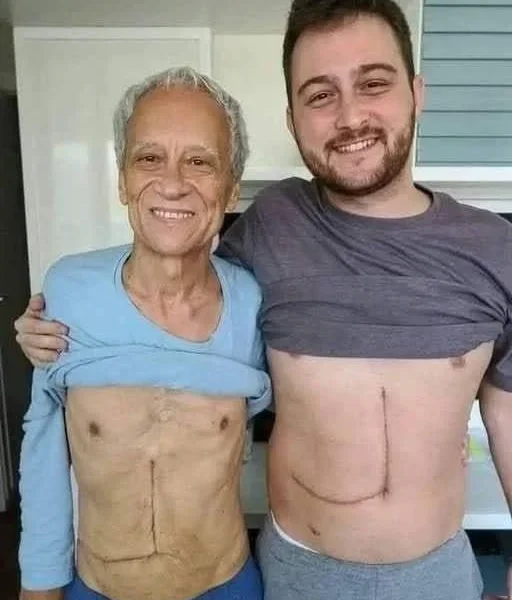
They said no to my surgery. The doctor’s warnings about a dangerous intestinal obstruction met with my parents’ excuses about inflation and roof repairs. I was 27, living at home, and my pain was treated as an unwelcome complication. I learned to hide it, along with my disappointment. Then, they bought my sister a brand-new Mercedes. The celebration in the driveway was a public monument to my private erasure. The car’s price tag screamed what they wouldn’t say aloud: her shine was worth their sacrifice; my survival was not. I felt myself disappearing completely.
Salvation arrived in the form of my grandfather, Harold. He visited, saw my pallor and pain, and dismantled my lies with a few calm questions. When I confessed, mentioning the cruel juxtaposition of my medical bills and Chelsea’s new car, his expression didn’t change, but his resolve solidified. His response was a simple, powerful vow: “I’ll take care of it.” He didn’t mean just the money; he meant the injustice.
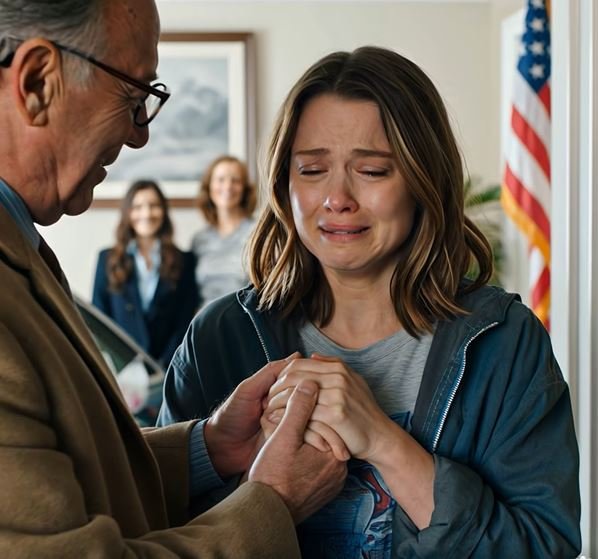
At the next family dinner, he turned the table into a courtroom. After the usual fanfare for Chelsea, he stood and delivered his judgment. He announced he was leaving his entire estate to me. To illustrate why, he presented the evidence: my medical folder and the Mercedes invoice. “You saw one daughter’s grades and smiles,” he told my stunned parents, “and you forgot the other one was breaking apart quietly in your own house.” His words weren’t shouted, but they echoed with the finality of a gavel. For the first time, my silent struggle was acknowledged, and my value was affirmed by the one person whose respect meant everything.
Grandfather became my champion. He arranged and funded my surgery at an excellent hospital, refusing to let me settle for less. His presence during recovery—steady, reliable, unconditional—was a new kind of medicine. Convalescing at his home, I found a peace I never knew existed. The frantic need to earn love from my birth family faded. In its place grew a quiet strength, nurtured by the certainty that I was seen and valued. My grandfather’s intervention wasn’t just about money or a will; it was a lesson in moral clarity. He taught me that family isn’t defined by obligation, but by the courage to see the overlooked and the integrity to stand with them, especially when no one else will.