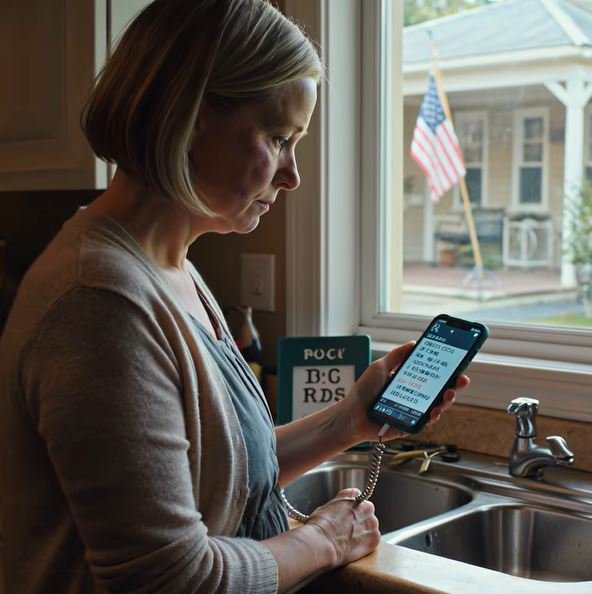
The text from my daughter was a cold blade: “Stay away from us.” It came after a devastating confrontation where she had physically pushed me during an argument about the house I fully owned and paid for. For years, I had drained my teacher’s pension to cover the mortgage on her beautiful home, a gift I believed was investing in my grandchildren’s stability. That day, when I hesitated at her demand to simply hand over the deed, her gratitude evaporated, revealing a shocking sense of entitlement. My body still throbbed from the fall. Reading her message, I felt a chapter close. I typed back one word: “Okay.” Then, I picked up the phone and began the process of unraveling the financial safety net I had woven around her life.
The descent into that moment had been gradual. What began as a desperate rescue mission—helping her young family secure a home when banks wouldn’t—morphed into a permanent subsidy. For three years, I watched my own savings dwindle and my home repairs go undone while I funded their landscaping service, their new appliances, their comfortable life. The occasional “thanks, Mom” faded into an expectation, a silent belief that my resources were an extension of their own. The conversation that broke us was simply the truth arriving, loudly and rudely. I was no longer a beloved mother but a financial obstacle, and when I wouldn’t move, I was literally pushed aside.
My “okay” was the calm eye of the hurricane. It was acceptance. I accepted that the daughter I thought I knew was gone, replaced by someone who could justify assaulting her mother over money. I accepted that my endless support had not built gratitude but bred resentment. And I accepted that the only way forward was to completely stop. Cancelling the mortgage payments wasn’t a spiteful act; it was the logical conclusion of her demand. If I was to “stay away,” then I could no longer be involved as the benefactor. The financial life support for her household ended with that call.
The frantic cascade of missed calls that filled my phone hours later was the predictable shockwave. It was the sound of a wake-up call ringing—for her, not for me. I had already woken up on her hard floor. My peace was made. Their panic was just beginning. They were suddenly faced with the stark reality I had shouldered alone for years: the actual cost of the roof over their heads. My silence was my message; the bank statements would now be theirs to explain.
This experience taught me a brutal but necessary lesson about love and limits. Unconditional love does not mean unconditional financing. True support sometimes means allowing adults to face the weight of their own choices and actions. By saying “okay” and meaning it, I stopped teaching my daughter that love meant endless sacrifice from me. I started teaching her that respect is the mandatory currency of any relationship, especially with family. The thirty missed calls were the receipt for that lesson, finally paid in full.