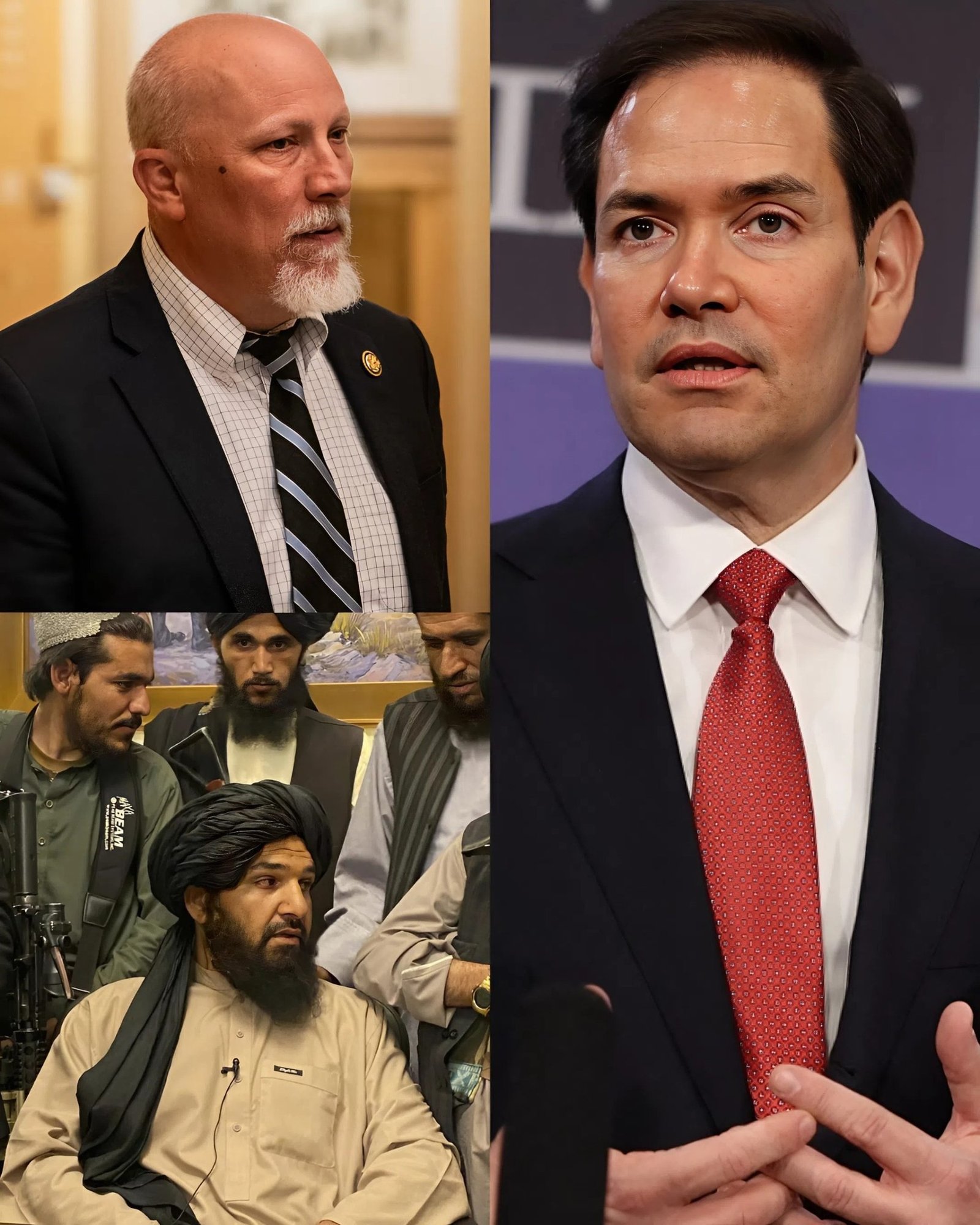
A new legislative proposal in Washington has reignited a fundamental debate about America’s identity. Called the American Courts Act of 2025 by its sponsors and dubbed the “Sharia-Free America Act” by critics and supporters alike, the bill aims to explicitly prohibit federal courts from applying any foreign legal system that conflicts with U.S. constitutional rights. The bill’s authors, Rep. Chip Roy and Sen. Marco Rubio, argue it is a necessary defense of bedrock American freedoms. They contend that no legal doctrine, foreign or religious, should be permitted to undermine the constitutional guarantees of free speech, equal protection, and due process that form the nation’s legal foundation.
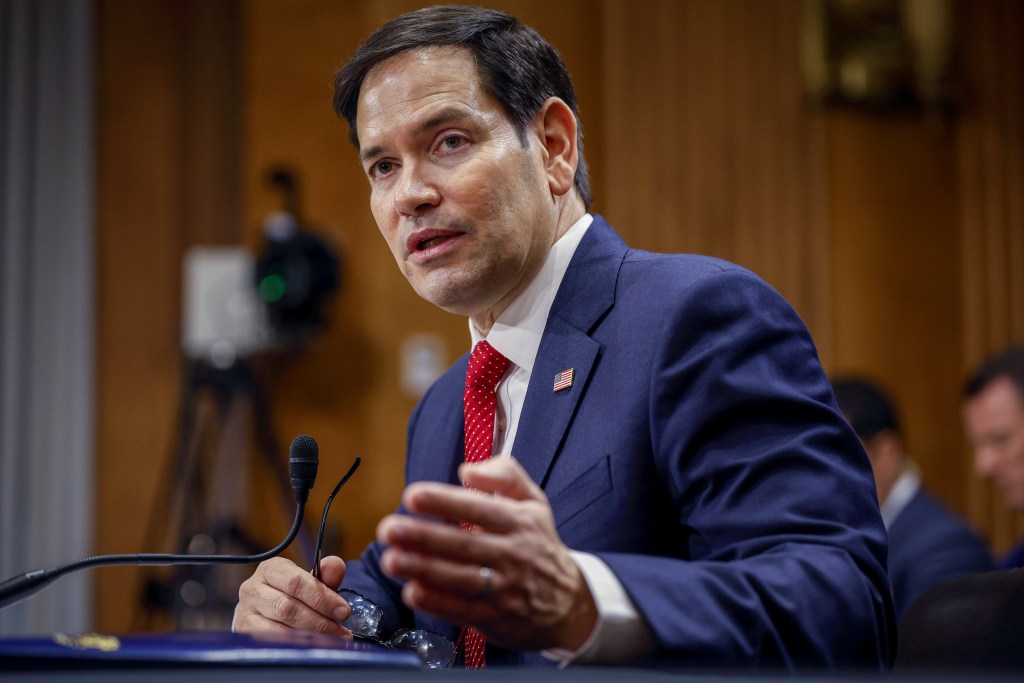
Central to the controversy is the bill’s specific mention of Sharia law, the Islamic legal framework derived from religious texts. Supporters point to interpretations of Sharia in some nations that prescribe punishments or restrict rights in ways starkly at odds with American law. “No American should face medieval laws that discriminate against women, punish speech, or restrict personal belief,” Rep. Roy stated, framing the legislation as a protective shield. Sen. Rubio amplified this with a viral declaration: “Religious freedom is welcome, but chopping off hands in my courtroom crosses the scarlet line defended by fallen patriots.” This rhetoric has galvanized many who see the bill as a clear stand for American legal sovereignty.

The response from progressive circles and many civil rights organizations has been one of sharp condemnation. They argue the legislation is a solution in search of a problem, as U.S. courts already have the authority and precedent to reject any foreign law contradicting the Constitution or public policy. Critics see the bill’s specific focus on Sharia as inherently discriminatory, stoking fear and misunderstanding of Islam and unfairly targeting Muslim Americans. They warn it risks legitimizing religious prejudice under the guise of legal protection, potentially alienating a community of citizens who are overwhelmingly law-abiding and integrated.
Public polling reveals a complex picture, showing significant cross-party support for the bill’s stated goal of banning foreign laws that violate constitutional rights. This suggests a widespread public desire to affirm the primacy of the U.S. Constitution. However, legal scholars and community advocates caution that this support may stem from a broad-brush misunderstanding of Sharia, which for most observant American Muslims governs personal religious practices like prayer, charity, and family matters, not criminal law. The debate, therefore, often pits abstract constitutional principles against the lived reality of religious pluralism.
The path forward for the American Courts Act is uncertain, mired in the deep cultural and political divisions it exemplifies. Its ultimate fate will hinge not just on political maneuvering, but on a national conversation about how a society dedicated to both religious freedom and inviolable individual rights navigates an increasingly interconnected world. The bill forces a question with no easy answer: where does the legitimate protection of constitutional order end, and where does the harmful stigmatization of a religious minority begin?