Every outdoorsman knows the risks: shifting weather, treacherous terrain, the thin line between adventure and emergency. For Evan, an experienced hiker, a familiar trail turned into a fight for life when a blizzard struck without warning. A whiteout erased his world, a misstep on an icy slope led to a concussive fall, and hypothermia began its deadly work. As he lay trapped, his body failing, his most critical piece of survival gear wasn’t in his backpack—it was his dog, Ranger.
In survival scenarios, the psychological will to live is as crucial as physical resources. Ranger provided both. His decision to lie on top of Evan was a primal, effective intervention. The dog’s body acted as an insulating layer, slowing radiant heat loss and protecting Evan from direct exposure to wind and snow. This simple act bought the most precious commodity in any survival situation: time. For over a day, Ranger’s steadfast presence provided a physical heat source and, more importantly, a psychological anchor. The dog’s refusal to abandon him gave Evan a reason to cling to consciousness, fighting the seductive pull of the cold.

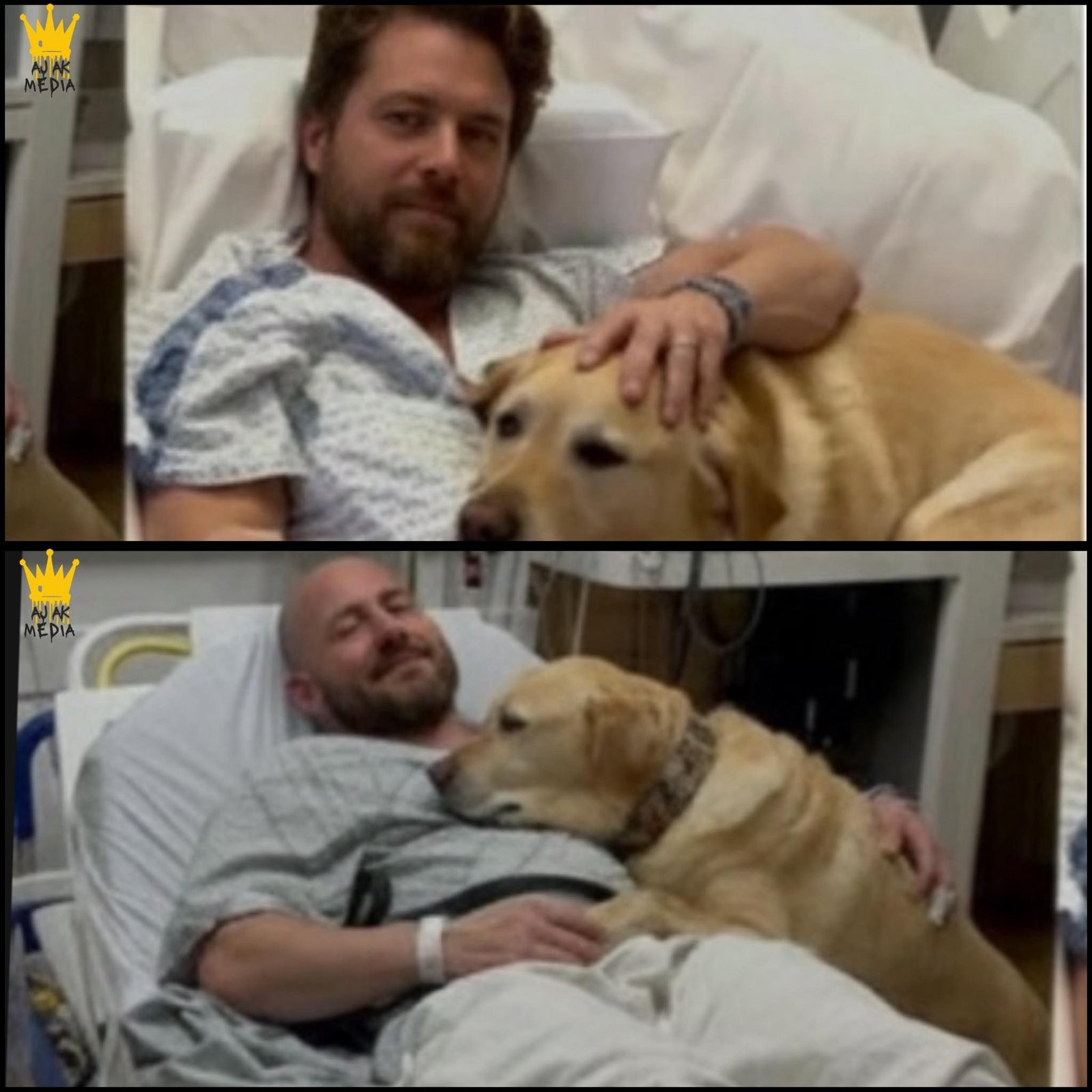
The rescue, when it came, highlighted another facet of this partnership. Ranger, though protective, recognized the searchers as aid and yielded. This intuitive understanding allowed the professionals to do their job without conflict. The aftermath completed the lesson in resilience. Recovery from such an ordeal is as much mental as physical. Ranger’s subsequent hospital visit, where he repeated his comforting gesture, directly addressed the trauma, providing a profound, wordless therapy that no medicine could replicate.

Evan’s story offers a powerful lesson for anyone who ventures into the wild. It underscores that preparedness isn’t just about gear and knowledge; it’s about the companions you choose. The bond with a trusted animal can be a formidable survival asset, offering unique protection, early warning, and an irreplaceable boost to morale. Ranger demonstrated that loyalty can be the ultimate shelter, and that sometimes, the most advanced piece of survival technology is a heartbeat other than your own.