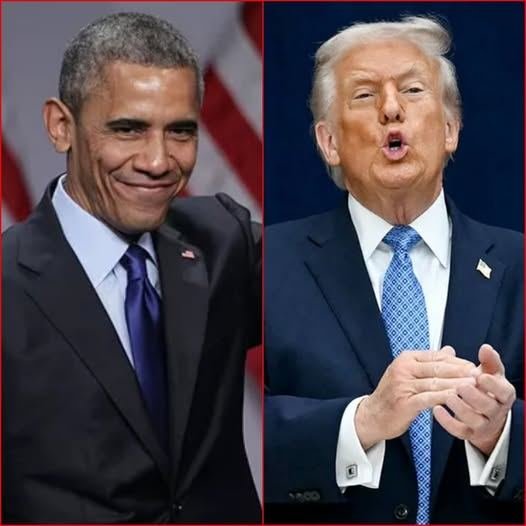
Barack Obama, who cannot run for president again, has found a way to re-enter the electoral conversation decisively. His recent comment that he would “easily” defeat Donald Trump in a theoretical rematch is a masterclass in political influence from beyond the ballot. This isn’t idle boasting; it’s a calculated maneuver with immediate ripple effects. It revives the core contrasts of the Obama-Trump era just as America begins to look toward its next chapter, making the former president’s philosophy the central litmus test for what comes next in Democratic politics and national leadership.
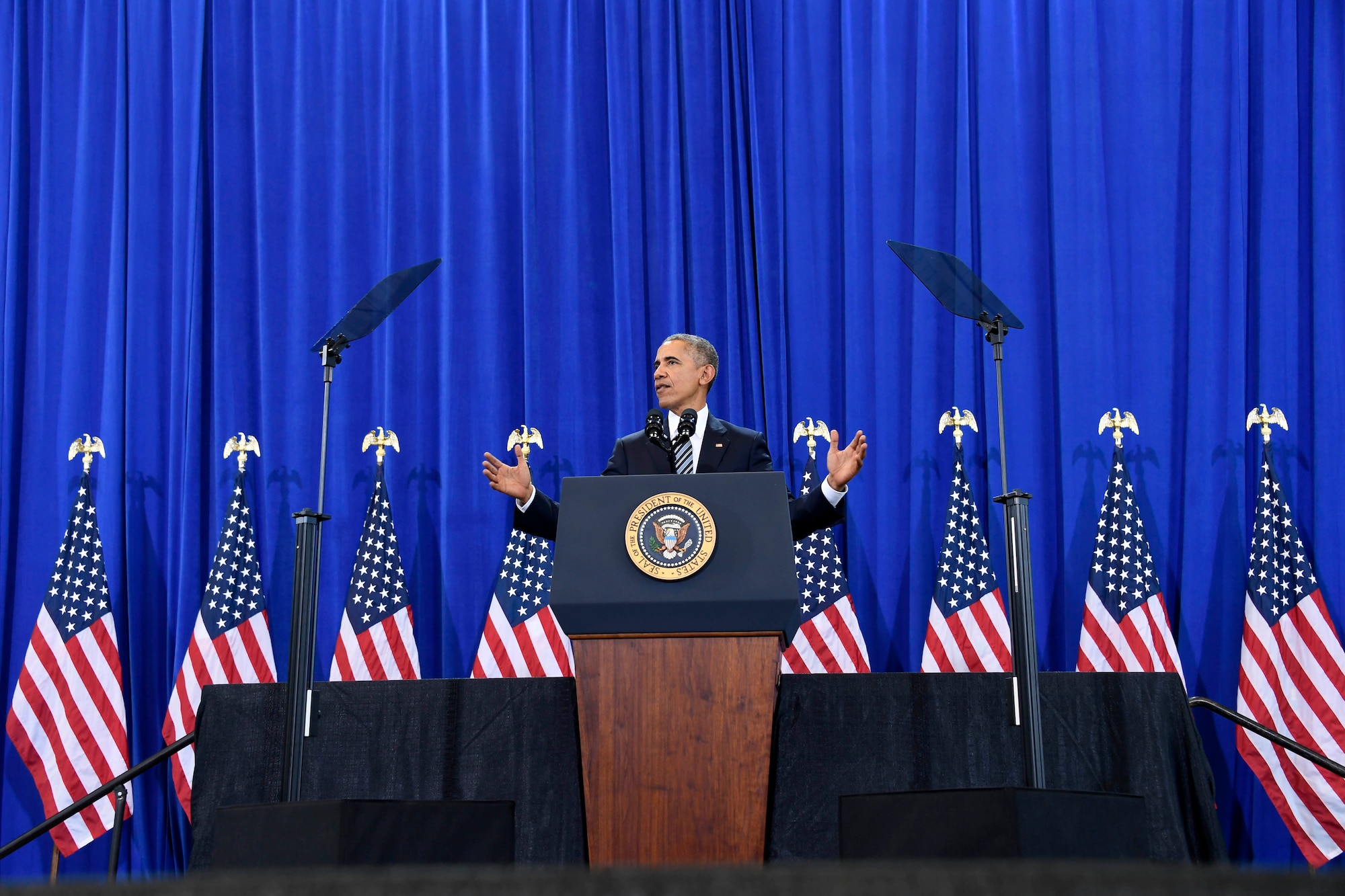
The statement brilliantly exploits the space between reality and possibility. Because he is legally prohibited from running, the claim carries no risk of being tested, yet all the power of a direct challenge. It invites every voter to conduct a personal poll, weighing eight years of Obama’s legacy against four years of Trump’s. In doing so, it elevates Obama’s style—calibrated, diplomatic, hopeful—as the antidote to the turbulence and confrontational politics that have followed. He is not just comparing records; he is comparing temperaments and suggesting the nation’s better angels would side with his.
Strategically, the remark is a gift to the Democratic Party, arriving at a moment of generational transition. With no incumbent in the White House and a crowded field of potential successors, Obama has provided a powerful unifying narrative. He has drawn a line in the sand, defining success as the ability to reclaim and expand the coalition he built. For governors and lawmakers with presidential ambitions, the message is clear: channel this vision and you can win. It’s an implicit endorsement of a specific political brand over others, shaping the primary field before it even fully forms.

The explosive, partisan reactions to his words are a feature, not a bug. They prove the comment’s potency. For Democrats, it’s a morale-boosting declaration of political strength. For Republicans, it’s a useful foil, a symbol of a past they argue America has moved beyond. This dynamic ensures the remark dominates multiple news cycles, keeping Obama’s legacy and the values he represents at the forefront of political discourse. He remains the ultimate polarizing figure who can unify his own side and galvanize the opposition with equal efficiency.
Ultimately, Obama’s hypothetical boast is less about 2016 or 2020, and entirely about 2028 and beyond. He has skillfully used his platform to frame the coming election as a choice between two very different Americas. While his name won’t be on the ballot, his shadow will loom over it. By claiming he could easily win, he has set the standard for victory and defined the political terrain. In doing so, the former president has reminded the nation that some leaders shape politics long after their final term, not by running for office, but by defining the terms of the race itself.