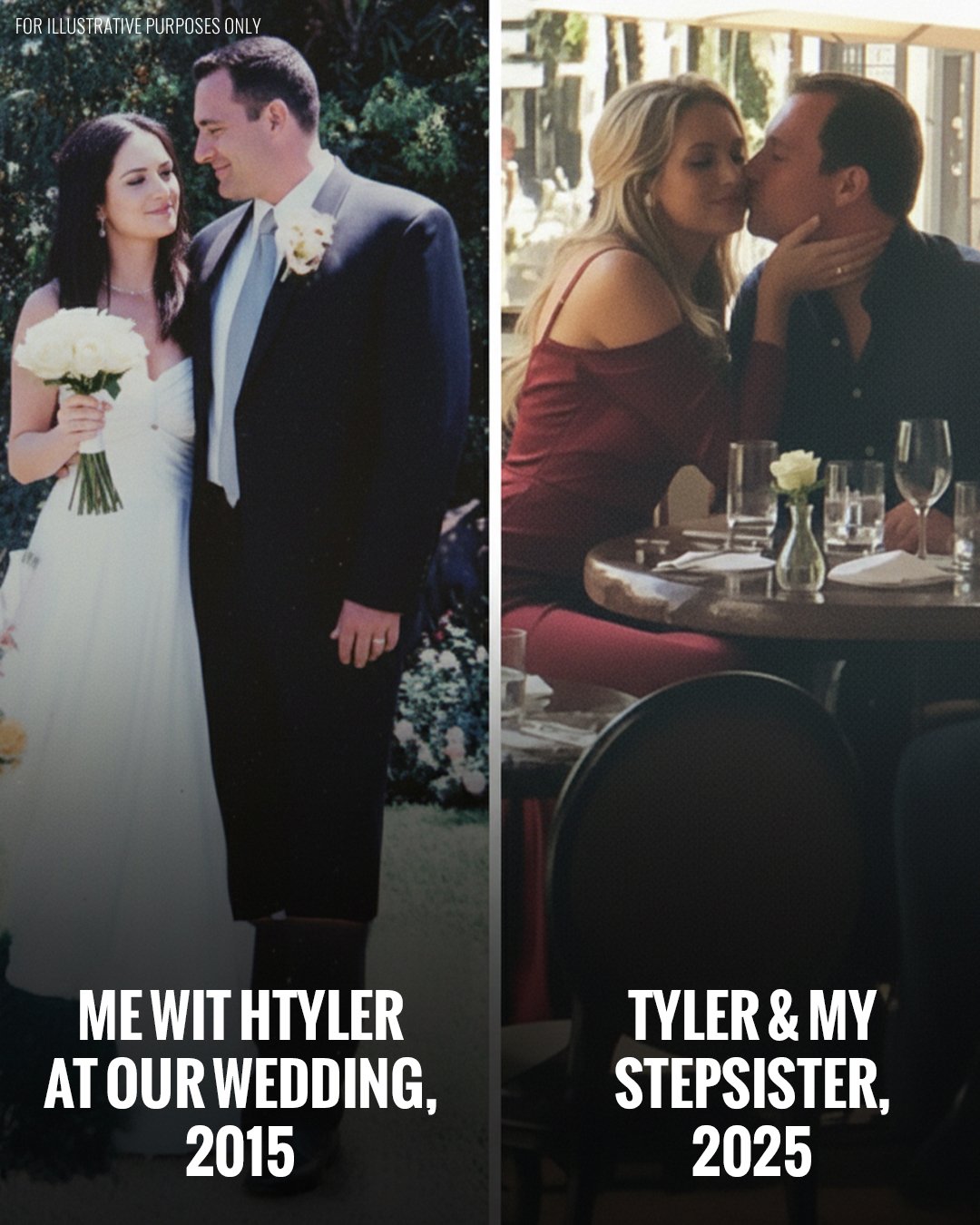
Betrayal has a unique fingerprint. Mine was etched by the two people I should have been able to trust most: my husband, Tyler, and my stepsister, Emily. After ten years of marriage, he chose her, citing my exhaustion and the mundane weight of family life as his reasons for leaving. He swapped school runs and shared bills for what he called “fun,” moving into a fantasy that required erasing our reality. I was expected to gracefully fade away, but I chose a different path: purposeful, silent recovery.
I created a cocoon for my children and myself, shutting out the noise of family pressure to forgive and forget. The ultimate insult was their wedding invitation, set for the date of my own anniversary. It was a calculated cruelty, but I met it with steely indifference. My life was no longer about their choices. On that September day, as they prepared to pledge vows, my world was filled with crayon drawings and the smell of dinner cooking. Then, the news arrived.
In a twist too dramatic for fiction, Emily abandoned Tyler at their wedding reception, running off with another man. The “fun” he craved had been a mirage; she was unfaithful, too. The video evidence showed him stunned, clutching flowers in a half-empty room, a monument to his own poor judgment. The universe had delivered a lesson in karmic justice, publicly and perfectly.
When Tyler came knocking days later, hollowed out by shame, he found a woman transformed. The home he remembered was now solely mine, filled with a peace he had forfeited. He begged for another chance, but my heart was no longer a revolving door. I had learned the hardest and most liberating lesson: sometimes, closure isn’t about forgiveness or revenge. It’s about building a life so whole that the people who broke you become irrelevant footnotes in your story. His wedding day catastrophe was his end. My quiet nights with my children were my beautiful, unshakable beginning.