Italy has made history by implementing the world’s first nationwide ban on lab-grown meat, a decision that transcends simple regulation to touch on issues of culture, economics, and ideology. The law forbids the commercial lifecycle of meat grown from animal cells in a lab, creating a clear barrier against what some call “cultivated” protein. This action places Italy in direct opposition to a well-funded sector of food tech innovation and frames a fundamental question: should the future of food be engineered in a lab, or cultivated on a farm?
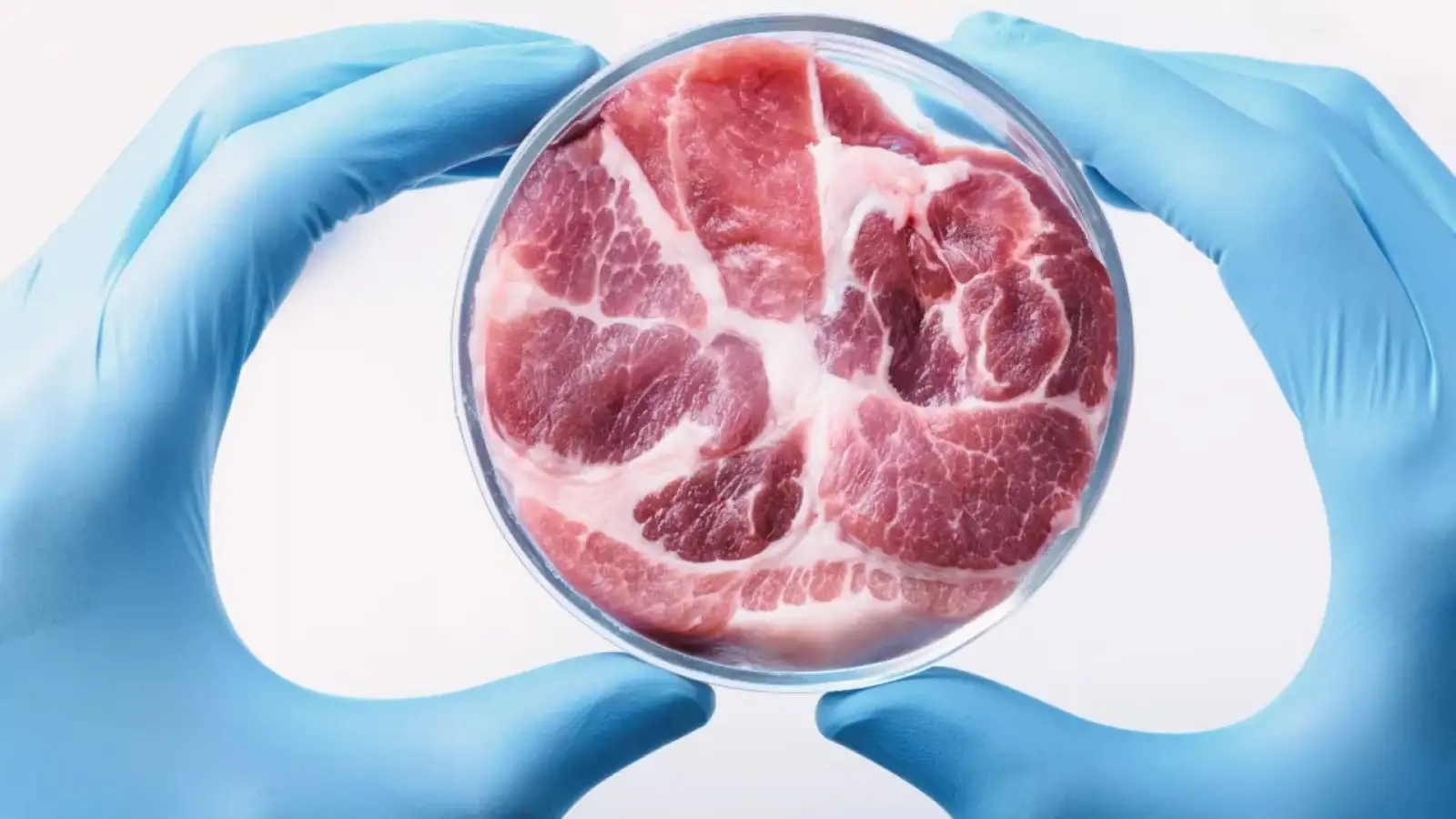
For Italy, the answer is rooted in the soil. The government’s primary justification is the defense of its monumental agricultural sector and unparalleled food culture. Italian cuisine is a UNESCO-protected intangible cultural heritage, a status earned through generations of practice tied to specific landscapes and livestock. The ban is portrayed as a necessary defense against the homogenization and industrialization of food, protecting not only farmers’ incomes but also the very essence of Italian life and tourism. It is a statement that some values—like authenticity and tradition—are not negotiable, even in the face of innovative alternatives.
Alongside cultural preservation are cited concerns for public health and autonomy. Authorities stress that the novel production process for cultivated meat lacks a long-term safety record for human consumption. In the absence of conclusive evidence, the precautionary principle prevails. This aligns with a growing movement for food sovereignty, which champions local control over food systems and resists ceding influence to multinational biotechnology firms. Italy’s law is an assertion of national choice, a declaration that its people, through their government, will determine what constitutes food.
The backlash from the scientific and environmental community has been swift. Critics argue the ban ignores the urgent need for sustainable protein sources that can alleviate climate change, resource scarcity, and animal suffering. They see it as a politically popular but ultimately reactionary measure that could isolate Italy from food security innovations. Furthermore, the ban may contravene European Union laws designed to foster a unified market, suggesting legal battles ahead. As a pioneering case, Italy’s decision forces a global reckoning. It challenges other nations to consider whether technological advancement in food production is an inevitable good or a threat to be managed, ensuring that the dinner plate remains a battleground for competing visions of the future.