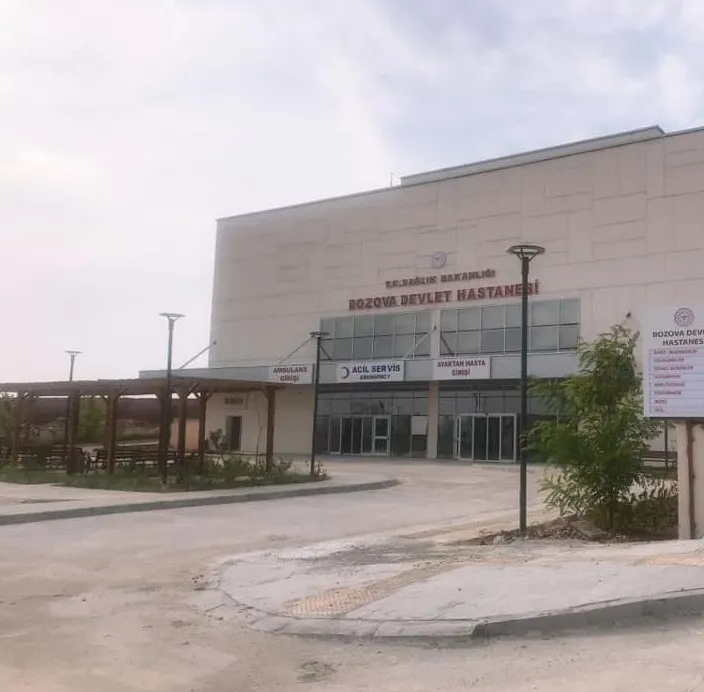
The workshop in Bozova, Turkey, was meant to be a place of learning for 15-year-old Muhammed Kendirci. As an apprentice, he was there to build a future. Instead, it became the setting for an act of brutality so severe it ended his life. Reports indicate that what began as an ordinary day descended into horror when coworkers allegedly turned a tool of the trade into an instrument of torture. In an act described as a prank, Muhammed was held down, his hands tied, and a high-pressure air hose was forced into his body. The consequence of that moment of cruelty was catastrophic internal destruction.

The violent intrusion of compressed air at industrial pressure levels causes trauma that is both immense and insidious. The teen’s intestines were torn apart from the inside. Rushed between hospitals in a desperate bid to save him, doctors confirmed the severe and widespread damage. For five days, Muhammed fought for his life in an intensive care unit, connected to machines that could not ultimately repair the ruin wrought by the assault. He passed away on November 19, a young life extinguished by a senseless and violent act that his attackers reportedly framed as humor.
This tragedy is hauntingly familiar. Across the world, similar stories echo in industrial settings. In Japan, a 46-year-old man died in 2018 after a coworker pushed an air hose against him as a joke. In India, a worker succumbed to identical injuries that same year after being attacked with the tool. These are not accidents born of negligence, but deliberate actions that treat human life with staggering disregard. They reveal a dark undercurrent in some workplaces where bullying is tolerated and the lethal potential of machinery is tragically underestimated or, worse, wielded with malicious intent.

Behind the clinical terms—internal embolisms, organ rupture, catastrophic injuries—lies a profound human loss. Muhammed was a teenager with a family, with aspirations, with the simple expectation of safety while he learned a craft. His death has led to an arrest, with a coworker now in custody as investigations continue. Yet, no legal outcome can restore what was taken. His story forces uncomfortable questions about the cultures we allow to fester in workplaces, especially those welcoming young and vulnerable apprentices.
Muhammed Kendirci’s name now joins a grim roster of individuals who have died not from industrial accidents, but from intentional cruelty masquerading as horseplay. His death is a piercing reminder that safety is more than guards on machines and non-slip floors. It is about culture, respect, and an unwavering understanding that some actions cross a line from which there is no return. As we share his story, we must advocate for workplaces where every tool is respected for its power, and every person is respected for their humanity. A future was stolen in a moment of brutal “fun,” a loss that should resonate in workshops and factories everywhere.