I constructed my identity around a single event: my wife’s betrayal. For five years, I curated my rage, allowing it to motivate my career and shape my worldview. I saw my return to my old life as a final mission—a strategic operation where I would demonstrate my superiority and leave my former partner in the dust of my success. This was the narrative: the wronged man returns triumphant. I was the hero of this story, or so I believed.
The execution of my plan required immersion. I reacquainted myself with my son, a charming boy who knew me only as a stranger. I observed my ex-wife, Sophie, from a distance, studying her life for signs of the misery I hoped to amplify. Yet, the data I collected didn’t fit my hypothesis. Her life was not one of careless freedom, but of visible struggle and quiet resilience. She showed no bitterness toward me, only a hesitant warmth that confused my strategic approach. The “target” was not behaving as anticipated.
My carefully constructed revenge began to feel like a performance for an audience that wasn’t watching. The moments I had planned to use for delivering cutting remarks instead became opportunities for genuine conversation. I found myself asking about her well-being, listening to the details of her daily life, and seeing the person behind the villain I had created. The moral high ground I thought I occupied started to feel like a lonely, barren island. I was forced to confront an uncomfortable question: what if my foundational premise was flawed?
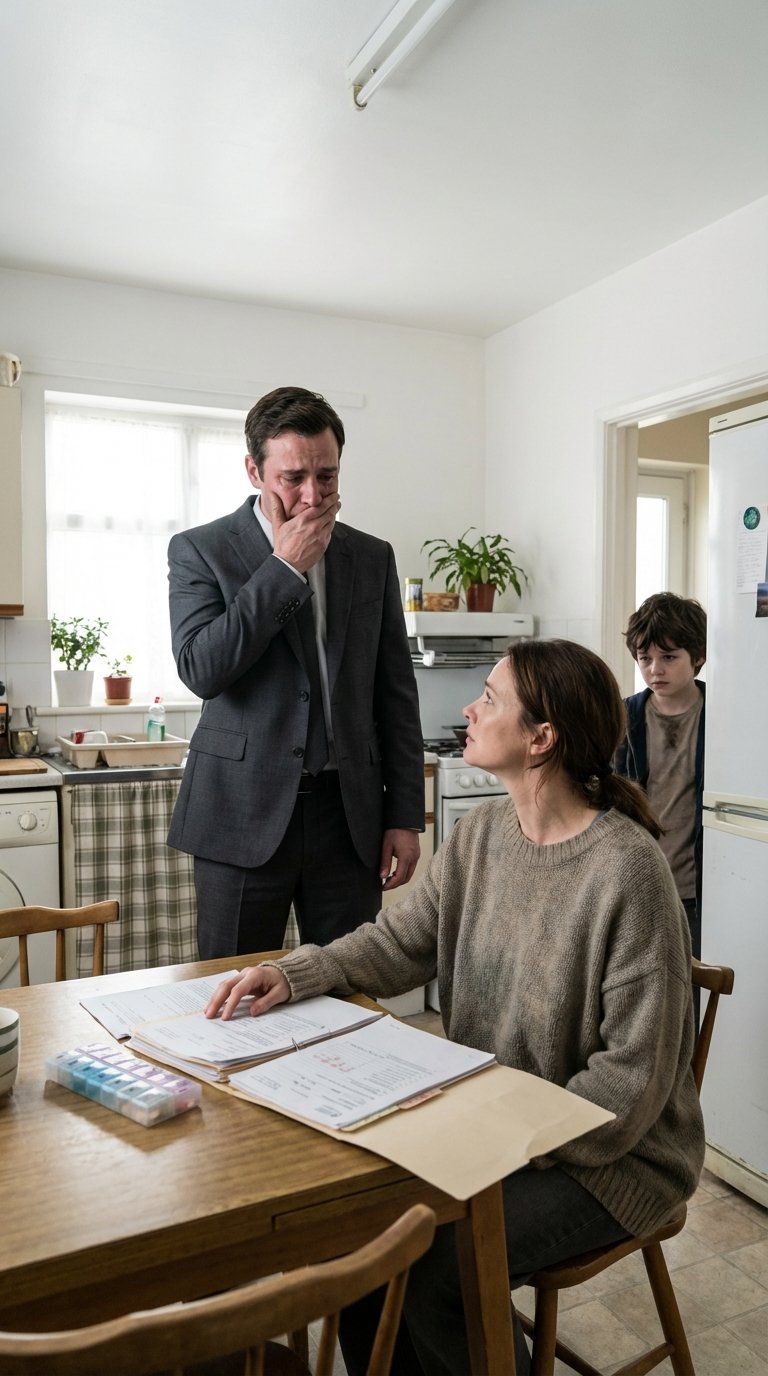
The paradigm shift was absolute and devastating. Sophie’s confession—that her “betrayal” was a sacrificial lie born of a cancer diagnosis—shattered the core of my five-year narrative. In an instant, my righteous vengeance was exposed as a profound failure of empathy. I had accepted the simplest, most ego-protecting explanation without a second thought. While I was building my empire on a story of her cruelty, she was fighting for her life and raising our son, all while bearing the weight of a lie designed to set me free.
The quest for revenge ultimately revealed that the person who needed to be held accountable was me. I had failed to look deeper, to question the narrative that served my pain, and to offer the benefit of the doubt to the person I had once loved most. The experience was a brutal lesson in the dangers of assumption and the corrosive nature of unforgiveness. I learned that true strength is not found in the ability to punish, but in the courage to re-examine your own story and the humility to ask, “What if I am wrong?” The most freeing form of justice is sometimes the act of letting go.