We often wonder what we would do if we suddenly came into great wealth. We dream of the freedom and the opportunities. But we rarely consider the more profound question: what would that wealth reveal about the people around us? I was given a brutal and enlightening answer to that question when a routine lottery ticket turned into a $233 million prize. Instead of embarking on a spending spree, I embarked on a journey of discovery that would permanently redefine my understanding of family, loyalty, and the true cost of greed.
Armed with my secret, I decided to conduct a social experiment within my own family. I presented myself as vulnerable and in need, asking my adult children and my young adult grandson for financial help to cover a critical medication. The premise was simple: who would help the woman they knew only as a struggling retiree? The divergence in their responses was staggering. My son and daughter, both financially stable, offered excuses and rejection, effectively abandoning me in my supposed hour of need. Their inaction was a silent verdict on our relationship.
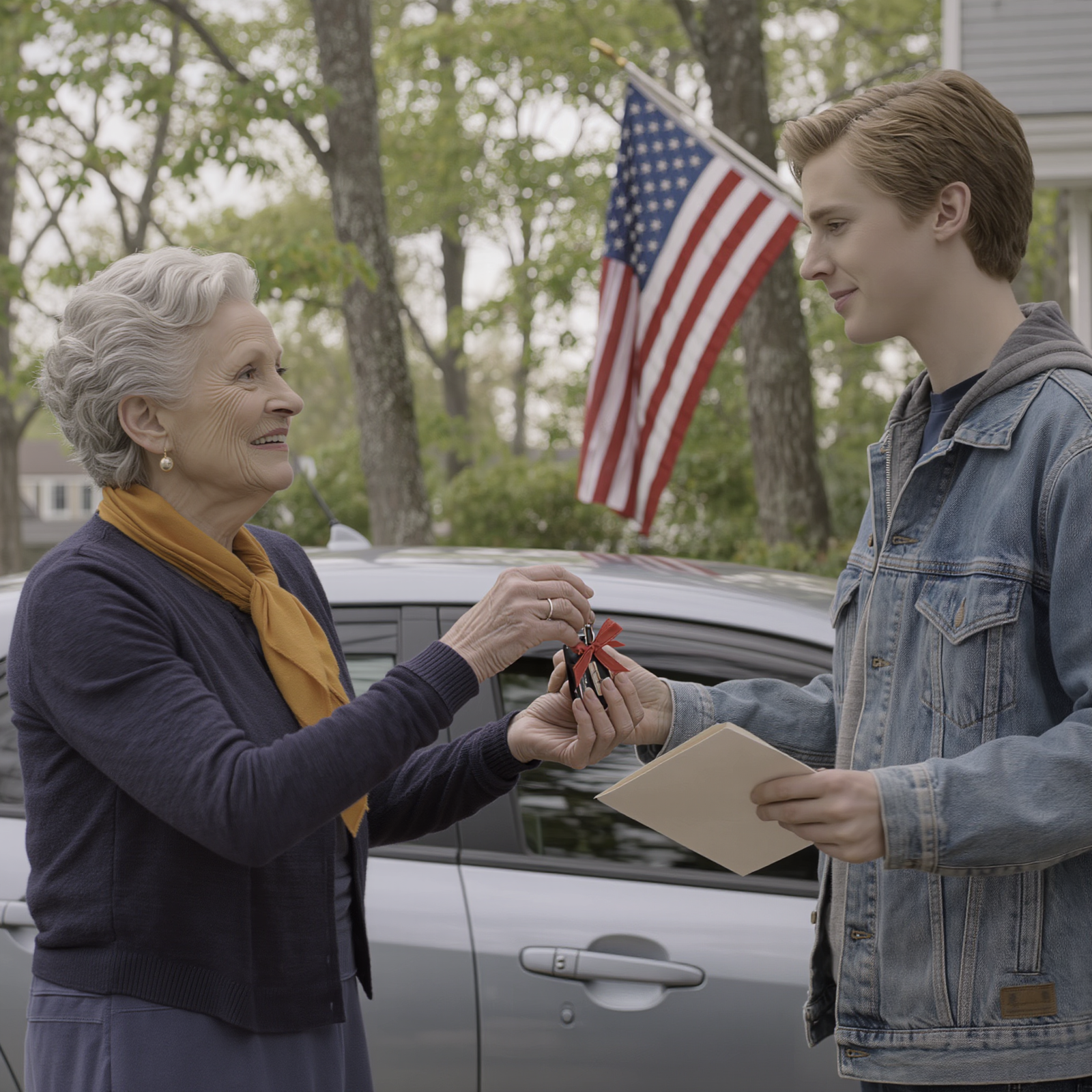
Conversely, my grandson, a college student with minimal resources, displayed a level of integrity that humbled me. He immediately offered every dollar he had and made the long drive to ensure I was safe and cared for. He demonstrated that character is not a function of age or wealth, but of the heart. His actions were a powerful reminder that the measure of a person is found in what they are willing to give when they have very little to spare.
The revelation of my wealth was a moment of stark accountability. My children’s anger was not rooted in remorse for their treatment of me, but in the realization that their lack of character had cost them a fortune. They were faced with the undeniable truth that they had failed a basic test of human decency. I had not manipulated them; I had merely provided the circumstances for them to reveal their true selves. In the economy of human relationships, they had bankrupted themselves.
My decision was clear. I transferred the entirety of my estate to my grandson, not as a reward, but as an investment in a person of proven moral fiber. I also took the unusual step of purchasing my children’s substantial debts, placing them in the same position of financial strain they had been so willing to leave me in. This was not an act of vengeance, but a difficult lesson in consequences and empathy. The lottery win was a random event, but the choices that followed were deliberate. It taught me that while you cannot buy integrity, you can certainly create a situation where its absence becomes devastatingly clear.