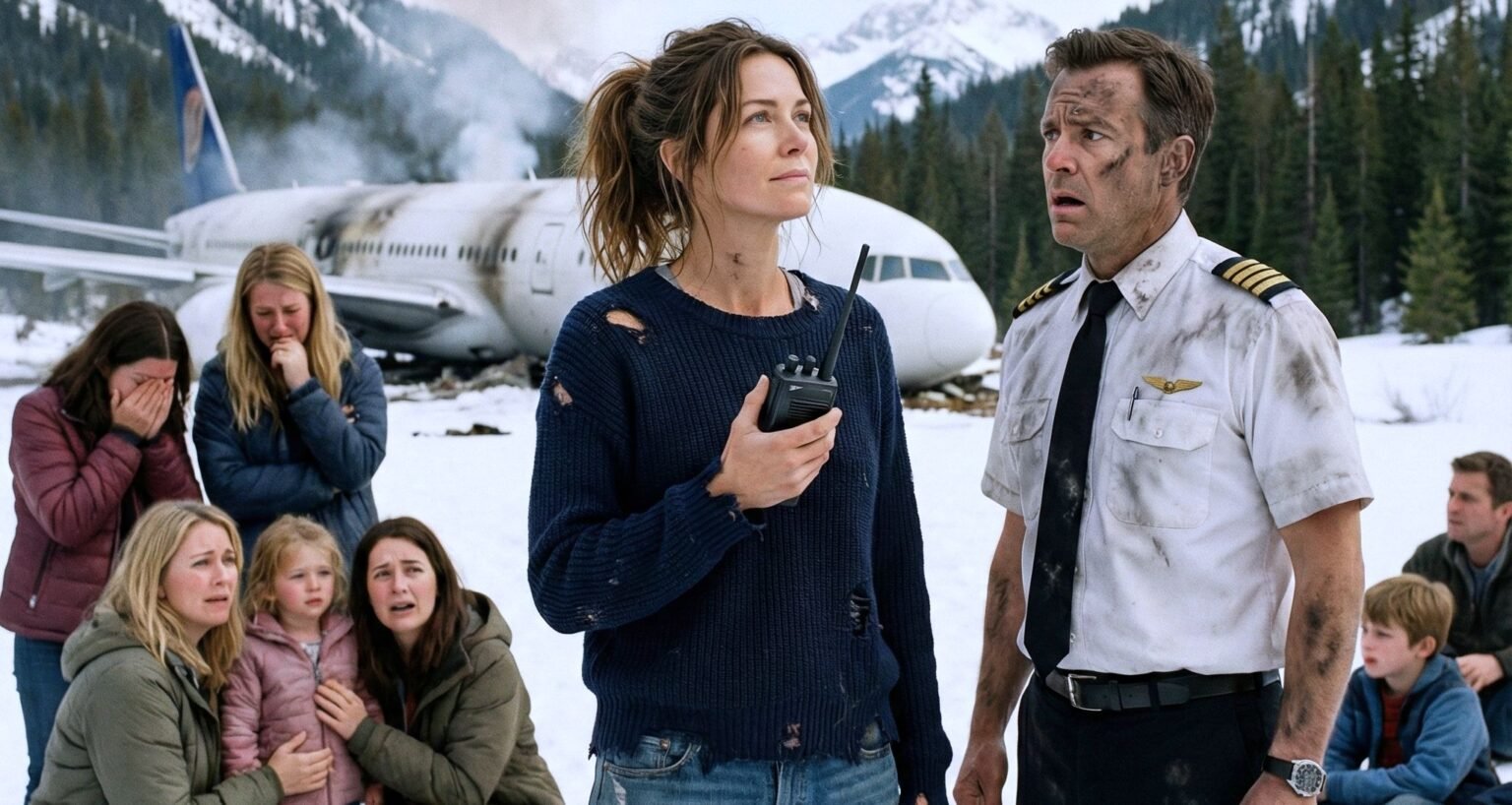
The first shudder felt wrong. To most on Flight 831, it was just unsettling turbulence. To Kate Morrison, it was the sound of a machine in distress. Tucked away in seat 14A, she was trying hard to be invisible, to just be a woman on her way home from a vacation. But when the second, more violent jolt came and the oxygen masks dropped, her vacation ended. The pilot she had tried to leave behind was now the only thing that could save them.
The cabin became a chorus of fear, but Kate moved in silence. She unbuckled and walked toward the cockpit, a steady figure against the tilt of the falling plane. The flight attendant who tried to stop her was met with a look of such calm authority that she stepped aside. Inside the cockpit, she found two men fighting a battle they were losing. “I’m a pilot,” she said, her voice cutting through the alarm chimes. “Tell me what’s happening. Let me help.”
As they worked, a new voice crackled over the radio. It was a fighter pilot from an F-22, scrambled to watch them fall. But he wasn’t talking to the captain. He was asking for “Viper.” In that call sign, spoken with reverence over the air, the true identity of the quiet woman in the sweater was unveiled. She wasn’t just a pilot; she was an legend, the one they called when the impossible needed to be done. And as the mountains rose to meet them, she showed everyone what it meant to fall with purpose, guiding 185 people safely back to the earth.