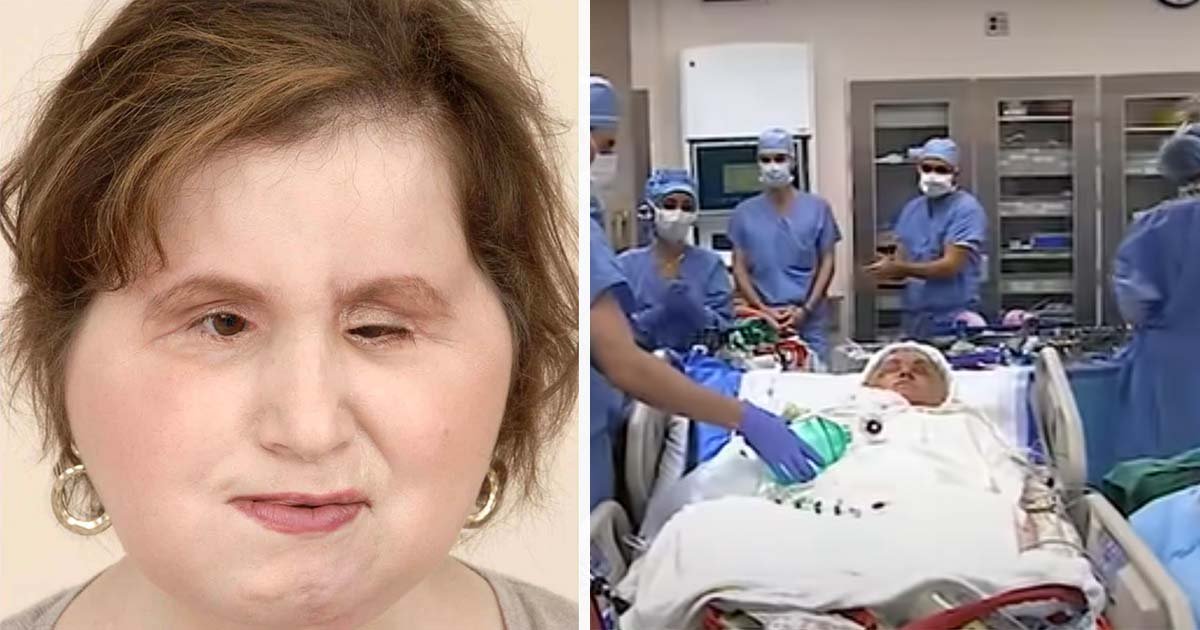
In the annals of medical history, Katie Stubblefield’s case stands out as a landmark achievement. At 21, she became the youngest person in the United States to undergo a full face transplant, a procedure so rare she was only the 40th person in the world to receive one. This incredible story began with a tragedy—a self-inflicted gunshot wound at age 18 that destroyed her facial structure—and culminated in a 31-hour surgical marathon that pushed the boundaries of modern medicine.
The path to the transplant was a long one. After the initial injury, Katie survived through immediate life-saving interventions, but her quality of life was profoundly diminished. The Cleveland Clinic team identified a face transplant as the only viable long-term solution. This involved placing Katie on a national donor list and managing her complex medical needs for three years while waiting for a match. The donor, Adrea Schneider, provided the gift that made the groundbreaking surgery possible.
The procedure itself was a feat of coordination and skill. A large team of surgeons transplanted a comprehensive facial unit, including the scalp, forehead, eyelids, eye sockets, nose, upper and lower jaws, teeth, and surrounding muscles, nerves, and skin. Advanced technologies, including virtual reality, were used to plan the intricate operation. The success of the transplant gave Katie a new anatomical foundation, but it was just the beginning of a lifelong journey of recovery and immunosuppressive therapy.
Post-operation, Katie’s life is a testament to the rigorous demands of transplant recovery. Her regimen includes extensive physical, occupational, and speech therapy, alongside a strict schedule of medications to prevent organ rejection. Despite the challenges, she has made remarkable progress, regaining sensory functions and working to improve her speech. Katie Stubblefield’s case is more than a personal victory; it provides invaluable data and hope for the field of reconstructive medicine, demonstrating that even the most severe facial disfigurements can be addressed, offering patients a second chance at life.