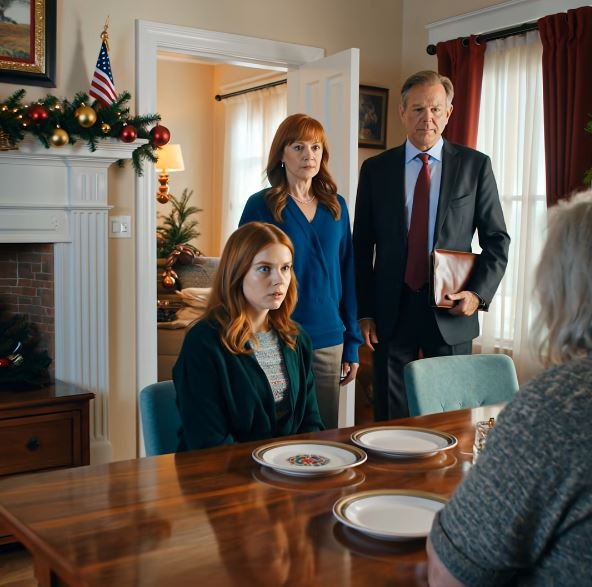
As parents, we often fall into the trap of believing unconditional love means unconditional self-sacrifice. My story begins with a 3 a.m. text that crystallized this dynamic: I was uninvited from my daughter’s Christmas dinner in the home I had financed. For years, I had enabled a toxic pattern, quietly funding my daughter Sarah’s lifestyle while she allowed her mother-in-law to systematically exclude me. My financial help was welcome; my presence was not.
This painful moment forced me to confront a difficult truth: I was contributing to my own unhappiness. By continually swallowing my hurt and prioritizing their comfort over my own well-being, I had taught them that my feelings were negotiable. The decision to sell the house was not a retaliatory strike, but the ultimate boundary. It was the concrete action that finally made the invisible imbalance visible. The eviction notice delivered on Christmas Eve was a harsh teacher, but a necessary one.
The aftermath was a storm of anger and blame. Yet, from that storm emerged an opportunity for a new beginning. For months, there was silence and distance. But eventually, my daughter and her husband began to understand the lesson embedded in that difficult decision. They were forced to build a life on their own terms, free from the shadow of entitlement and external manipulation. Our reconciliation was slow and required genuine change on both sides. We learned to communicate as adults, with respect and clear boundaries.
Today, our relationship is stronger because it is honest. I am no longer a bank or a convenience; I am a person whose love and presence must be valued. My story is a testament to the fact that sometimes, the most difficult boundaries we set are the ones that ultimately save our most important relationships. Protecting your own peace isn’t selfish—it’s the foundation upon which healthy, reciprocal love is built.