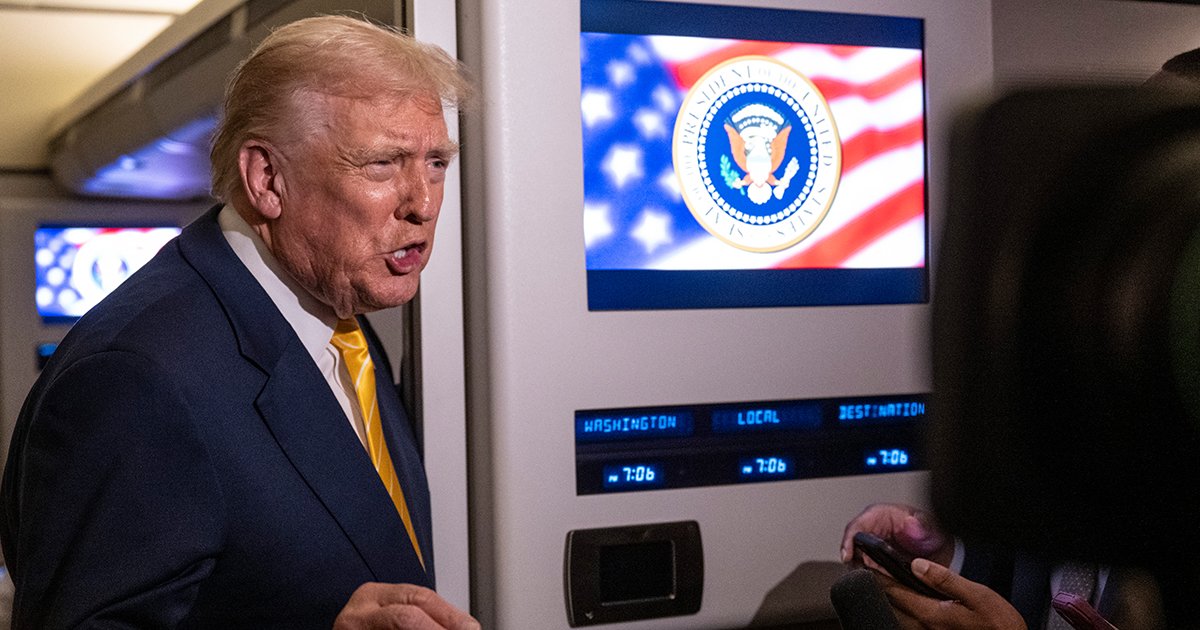
President Donald Trump’s contentious relationship with the news media entered a new and more personal chapter following a recent outburst directed at a female reporter. The incident, which took place during a press gaggle on Air Force One, has been labeled by critics as one of his most extreme verbal attacks to date. The confrontation centered on questions about Jeffrey Epstein, but the fallout has focused squarely on the President’s choice of words and their implications.
As journalists questioned the President about his name appearing in emails linked to Jeffrey Epstein, he quickly dismissed the topic. He insisted he had no knowledge of the messages and attempted to redirect the conversation toward other figures, including former President Bill Clinton. When Bloomberg reporter Catherine Lucey pressed for further clarification, Trump cut her off abruptly. Leaning in and pointing, he told her to be “Quiet! Quiet, piggy.” The remark was delivered in a sharp tone that stood out even amid the typically robust exchanges between the President and the press.
Donald Trump snaps at female reporter who asks about Epstein files:
“Quiet, Piggy!” pic.twitter.com/K42gA3uXCD
— Pop Crave (@PopCrave) November 18, 2025
The online reaction to the viral video clip was swift and largely critical. Commenters expressed shock at the personal nature of the insult, with many noting that it targeted a woman specifically. Some responses used humor to highlight the incident, while others condemned the White House press corps for not more vocally defending their colleague in the moment. The term “piggy” was widely perceived as a schoolyard taunt, leading many to question the professionalism and temperament of the nation’s highest elected official.
The White House response to the backlash did little to quell the controversy. Instead of addressing the remark directly, administration officials defended the President by alleging that the reporter had herself acted unprofessionally toward her colleagues on the flight. This tactic of shifting blame is consistent with the administration’s long-standing approach to media conflicts. However, without specific details about the reporter’s alleged misconduct, the defense was viewed by many as a deflection from the President’s own conduct.
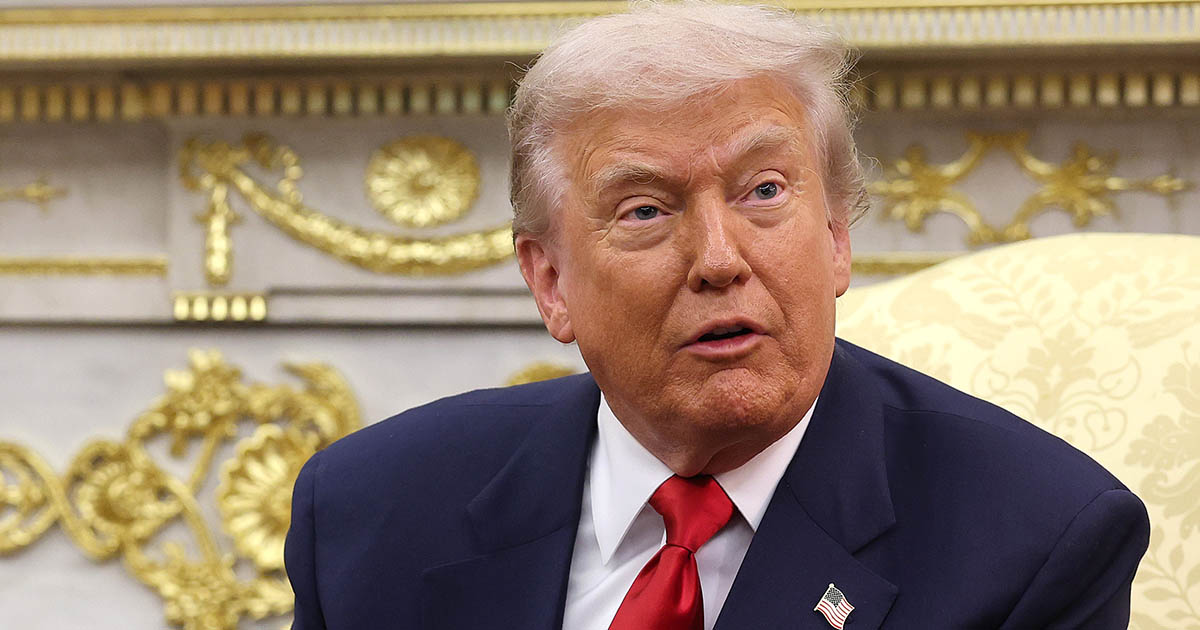
This event fits into a broader pattern of hostility. In the same week, President Trump suggested stripping ABC News of its broadcast license and told another journalist they were “the worst.” These repeated clashes have cemented his reputation for combative press relations. The “piggy” comment, however, has resonated particularly strongly, raising questions about misogyny, decorum, and the erosion of traditional boundaries in political discourse. The incident underscores the ongoing tensions that define the relationship between the current administration and the free press.