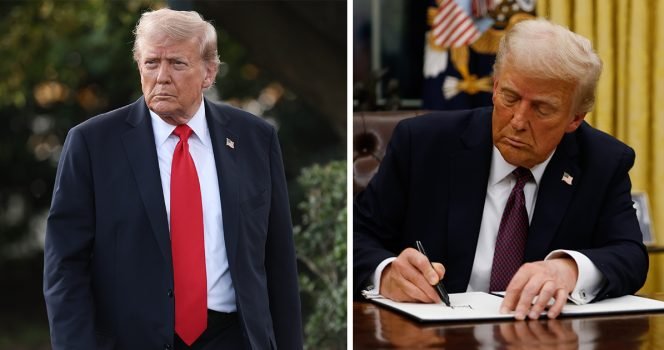
The concept of the government sending direct checks to citizens is back in the spotlight, following a major announcement from the White House. President Donald Trump has pledged to provide a $2,000 dividend to most Americans, a proposal that immediately sparked a nationwide conversation about its realism and implications. The plan, as outlined, would be funded by revenue from import tariffs, with payments directed to everyone except those deemed to be high-income earners. While the idea of extra money is always appealing, the journey from promise to pocketbook is proving to be a complex one, dependent on several factors that are still unfolding.
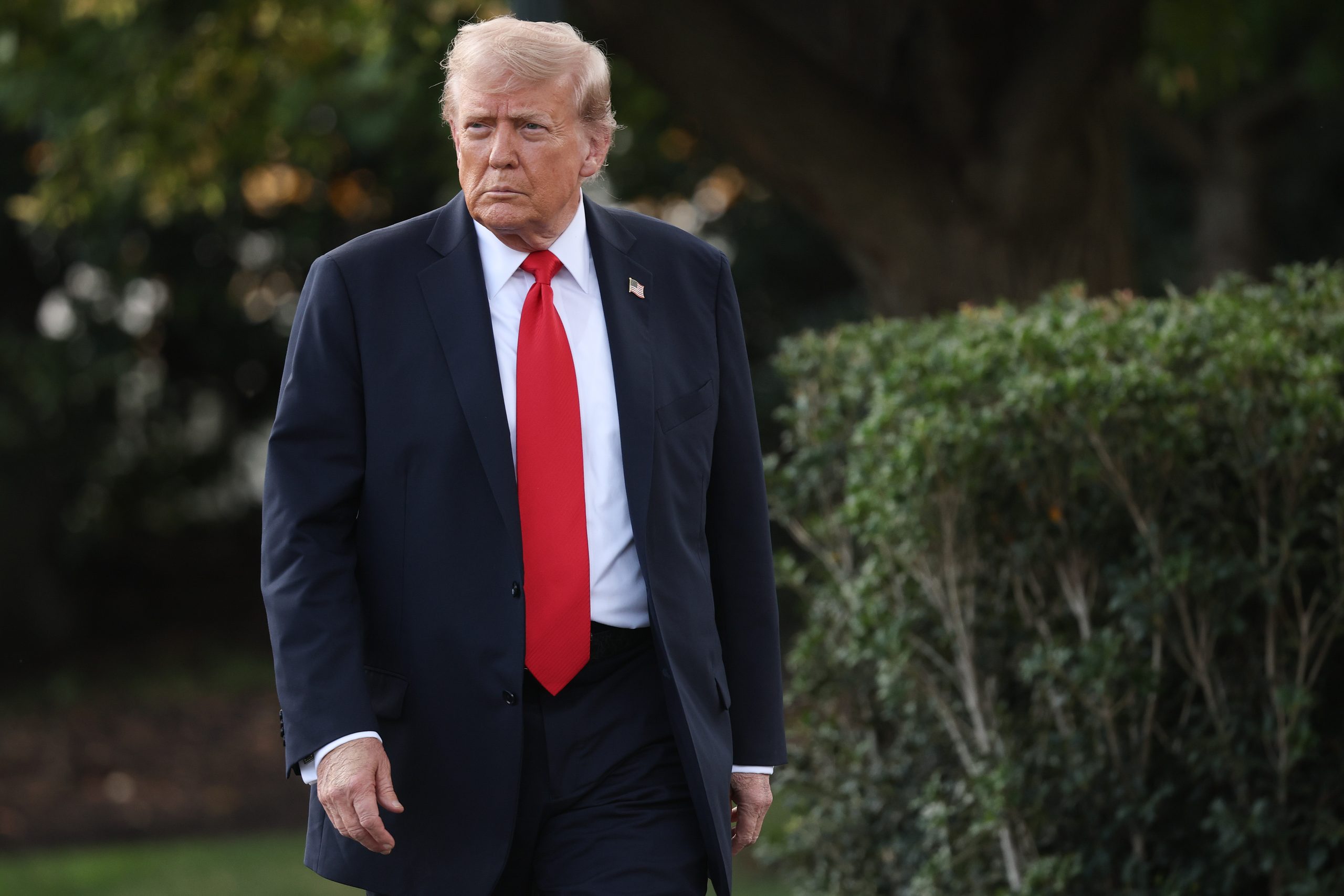
The core of the proposal rests on the administration’s controversial tariff strategy. In his public statements, the President has framed these tariffs as an overwhelming success, claiming they are generating trillions of dollars that can be used to strengthen the nation’s financial position and reward its citizens. However, this optimistic portrayal is met with scrutiny from economic professionals. Independent analyses suggest the cost of the dividend program could reach half a trillion dollars, a figure that vastly exceeds the current revenue from tariffs. This significant discrepancy is a central point of debate among policy experts.
Adding to the uncertainty is a formidable legal challenge. The very tariffs that are supposed to fund the $2,000 payments are under review by the U.S. Supreme Court. The outcome of this case is critical; if the Court rules against the administration, the projected revenue stream for the dividends would disappear. This legal precariousness means that the promise is built on a foundation that could be overturned, leaving the proposed payments without a funding source. It is a reminder that grand policy ideas often face rigorous tests in other branches of government.
Timing is another key factor. When pressed for details, the President recently stated that the payments would not begin until the next year, specifically 2026. This delayed timeline suggests an acknowledgment of the procedural hurdles ahead. Furthermore, the Treasury Secretary has clarified that implementing such a program would require an act of Congress. This indicates that the proposal cannot be enacted by the executive branch alone and will need to navigate the complex and often slow-moving legislative process on Capitol Hill.
For the average person, the promise of $2,000 is a straightforward and attractive proposition. Yet, behind the headlines, the proposal enters a landscape of fiscal realities, legal battles, and political negotiation. The administration has set a bold goal, but its fulfillment is contingent upon overcoming substantial economic questions, a decisive Supreme Court ruling, and successful collaboration with Congress. The American public is now watching to see if this pledge will follow through or become another unfulfilled promise in the history of political campaigns.