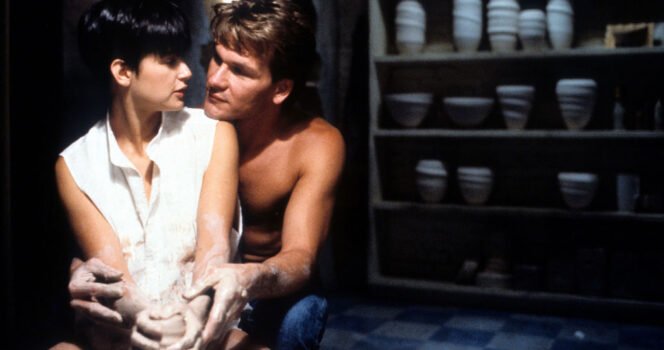
‘Ghost’ remains a cinematic treasure, a film that effortlessly moves its audience from tears to laughter. But beneath its polished surface lies a tapestry of little-known struggles, clever fixes, and delightful mistakes. The path to creating this classic was not always smooth, and the film we know and love today was shaped by strong opinions, personal connections, and a few unintended goofs that only the most attentive fans ever catch. Exploring these behind-the-scenes stories reveals the very human effort that went into crafting this supernatural romance.

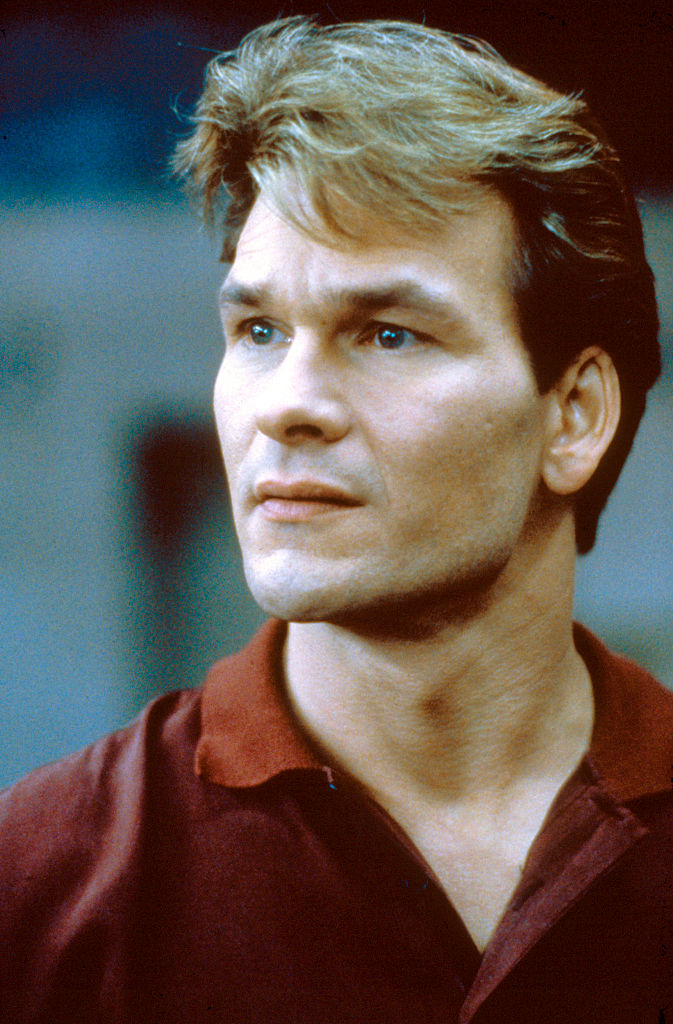
The film’s emotional core was deeply personal for its star, Patrick Swayze. He fought passionately for the role of Sam Wheat, even when the director, Jerry Zucker, was famously opposed to casting him, reportedly saying it would happen “over my dead body.” Swayze was drawn to the script because it resonated with his own experience of loss, particularly the death of his father. He saw the story as a poignant exploration of love that transcends death, and he was determined to bring that authenticity to the screen. His commitment was so strong that he even helped shape the cast, insisting that the brilliant Whoopi Goldberg was the only actress who could bring the psychic Oda Mae Brown to life.
The physical production presented its own set of unique challenges. For instance, filming the intense nighttime chase scenes in New York City during the winter created a practical problem for the special effects team. Since Swayze’s character, Sam, was a ghost, the filmmakers couldn’t have his breath visible in the cold air, as that would ruin the illusion. Their solution was both simple and effective: they had Swayze chew on ice cubes just before the camera started rolling. This lowered his body temperature enough to prevent his breath from showing, ensuring the ghostly effect remained convincing.
Even the most seamless scenes can hide small errors, and ‘Ghost’ is no exception. In the dramatic opening where Sam is shot, Molly, played by Demi Moore, cradles him in her arms, getting his blood all over the sleeves of her white coat. Yet, in the very next scene at the police station, her coat is perfectly clean. While this could be written off as a simple continuity mistake, one could also imagine a practical in-story reason: the police might have politely asked her to clean up before giving her statement. It’s one of those subtle flubs that adds a touch of unintended realism to the movie’s world.

The film’s success also had a complex impact on its stars. While ‘Ghost’ catapulted Demi Moore to become the highest-paid actress in Hollywood at the time, this milestone came with a harsh backlash. She was suddenly criticized in the media and labeled with the unflattering nickname “Gimme Moore.” She later reflected on the strange irony of being torn down at the very moment she achieved historic success in her career. This bittersweet reality reminds us that even a film as joyful and heartwarming as ‘Ghost’ had consequences that extended far beyond the final cut.