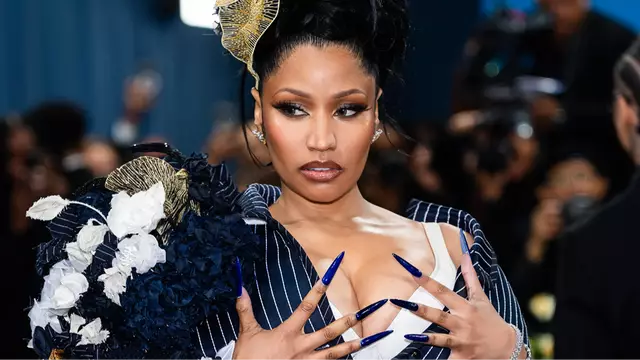
In a move that highlights the evolving intersection of celebrity and political signaling, rapper Nicki Minaj has aligned herself with the Trump administration on the contentious issue of Christian persecution in Nigeria. Her decision to partner with UN Ambassador Mike Waltz has less to do with diplomatic nuance and more with the potent, and often simplistic, narratives that drive modern political engagement. For Minaj, it’s a chance to frame herself as a global humanitarian; for the administration, it’s an opportunity to leverage a massive platform to amplify a favored cause.
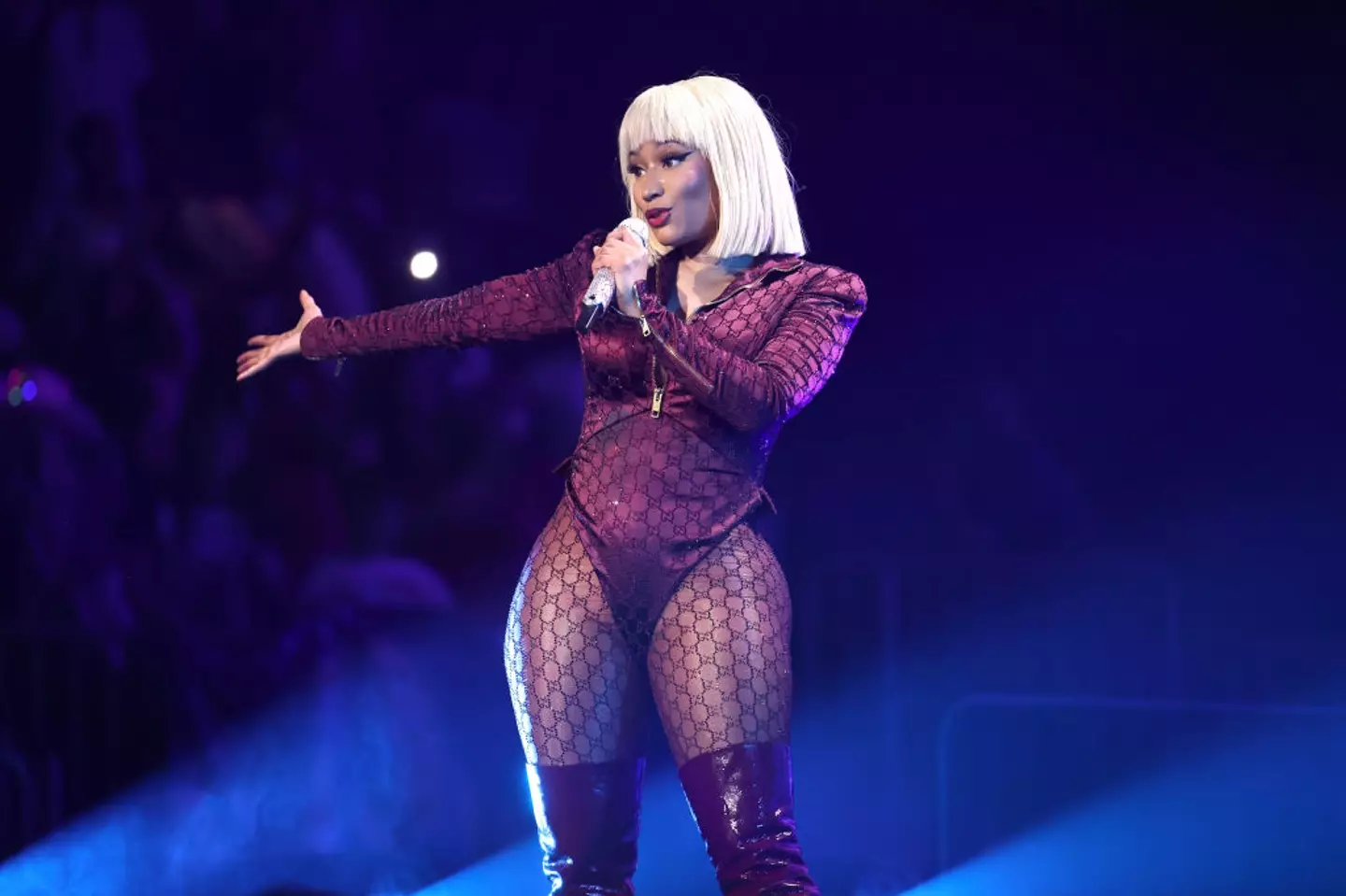
The announcement was met with immediate and fierce backlash, revealing a deep divide between the artist’s perception of her role and her audience’s expectations. Critics were quick to label the move “PR cosplay,” accusing Minaj of having “zero knowledge on Nigerian political crisis” and performing a script written by political operatives. One critic succinctly captured the sentiment, stating, “The ‘Christian genocide’ narrative is the ultimate political utility. It simultaneously fuels the celebrity clout economy for Nicki Minaj and serves as the Evangelical loyalty test… Nigeria and the victims? Irrelevant!”
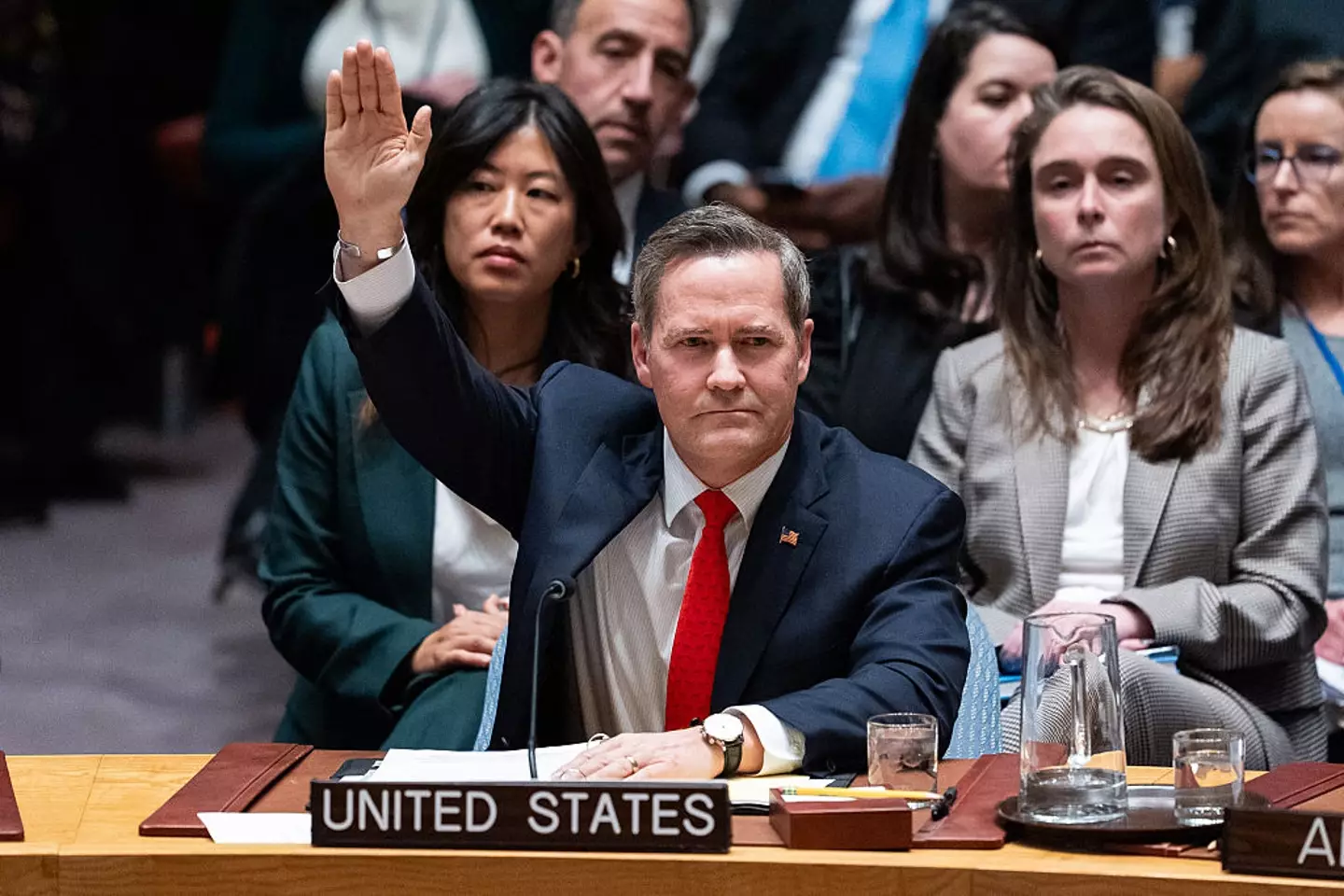
This controversy underscores the risks celebrities face when wading into complex geopolitical matters. The situation in Nigeria, as analysts and President Bola Tinubu himself note, is not a clear-cut religious war but a multifaceted conflict driven by ethnic competition and resource scarcity. By embracing the administration’s more simplified narrative, Minaj has opened herself to charges of hypocrisy and of being a tool for a political agenda. Her assertion that her influence must have a “bigger purpose” is now being tested, as she discovers that in the political arena, a fan army is not a substitute for diplomatic expertise and that taking a stand often means choosing a side in a pre-existing cultural war.