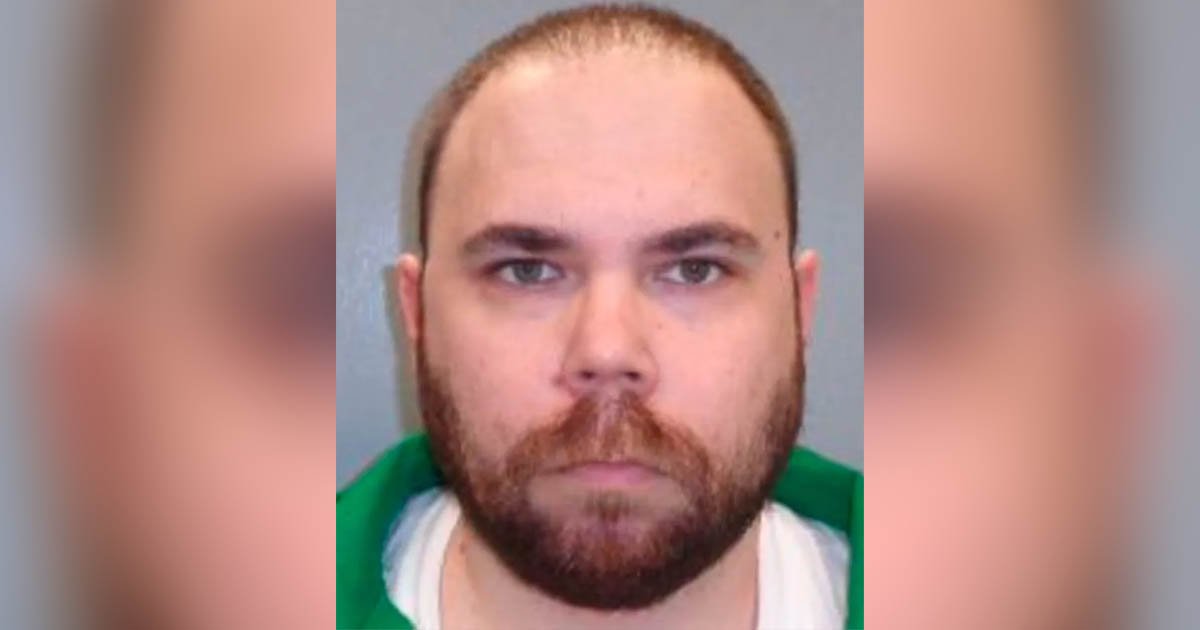
The execution of Stephen Bryant by firing squad in South Carolina has concluded a long-standing legal case, but it leaves behind complex questions about mental health and the justice system. Bryant, who pleaded guilty to a 2004 triple homicide in 2008, was executed at the Broad River Correctional Institution. He actively chose the firing squad as his method of execution, a decision that led to his death before ten witnesses, including relatives of the victims he killed over two decades ago.
The details of Bryant’s crimes were particularly brutal. After murdering his coworker, Clifron Gainey, he proceeded to kill William Tietjen just two days later. At Tietjen’s home, he left a taunting message written in the victim’s blood: “Victim number four in two weeks, catch me if you can.” He then killed a third man, Chris Burges, days later. Throughout his legal proceedings, Bryant’s defense argued that he had sought help for mental health issues prior to the murders, reliving childhood sexual abuse, but was unable to access adequate care.
In the hours leading up to his execution, Bryant was served a final meal of mixed seafood stir fry, fried fish over rice, egg rolls, stuffed shrimp, candy bars, and German chocolate cake. This last ritual was overshadowed by the message his attorney, Bo King, delivered posthumously. Bryant’s final wish was a plea for accessible mental health care, specifically that no one should be rejected from support because they cannot afford to pay. King stated that this wish was “consistent with the man we knew,” describing Bryant as someone who showed grace and exhibited a “fierce protectiveness” for others even while incarcerated.
The case of Stephen Bryant sits at the difficult intersection of heinous crime and claimed mental illness. His attorney’s final statement sought to humanize a man convicted of monstrous acts, emphasizing his love for nature and his unlikely friendships in prison. The execution ends the state’s pursuit of justice for the victims’ families, while the conversation about the mental health circumstances that surrounded the perpetrator continues.