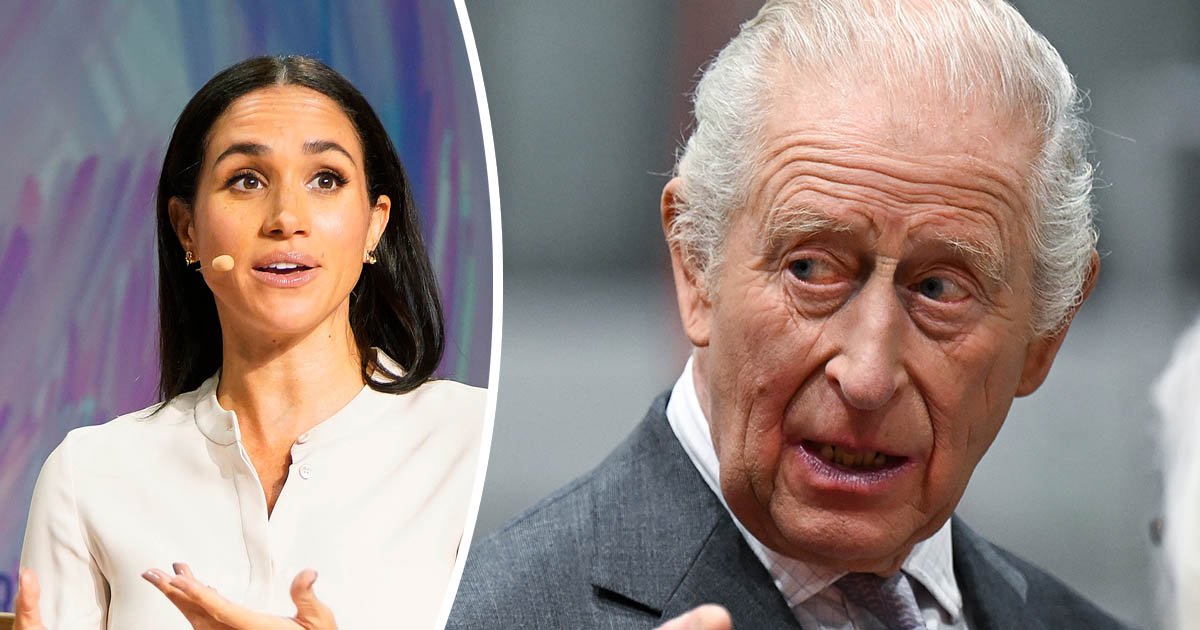
In the complex tapestry of family dynamics, nicknames can often reveal hidden layers of respect and understanding. The story of King Charles and Meghan Markle’s relationship is a public one, filled with its well-documented ups and downs. However, a fascinating detail from their earlier interactions sheds light on a moment of mutual respect. According to royal reports, King Charles once referred to his daughter-in-law by a surprising one-word nickname: “Tungsten.”
The beginning of their relationship was far from storybook. As revealed in the book Finding Freedom, Charles was reportedly blindsided by the news that his son, Harry, was dating Meghan. He and his staff learned of the relationship just minutes before it exploded into the public sphere. The timing was particularly difficult, as it risked overshadowing a major diplomatic tour Charles had planned. While this created initial tension, Charles was said to have understood the couple’s need for transparency, setting the stage for a more cordial connection.
The nickname “Tungsten” emerged later, as Meghan became integrated into the family. Far from being a critique, palace insiders described it as a “term of endearment.” The meaning behind the name is what makes it so compelling. Tungsten is a metal renowned for its exceptional strength and remarkably high melting point—it is incredibly difficult to break or bend. In bestowing this name, Charles was reportedly acknowledging Meghan’s formidable inner strength and unshakable character.
This unique compliment suggests that Charles saw a specific quality in Meghan that he believed benefited his son. The insider noted that Charles felt Harry, perceived as a “softy,” needed a “tungsten-type figure” in his life—a partner of immense fortitude. By calling her “Tungsten,” Charles was not just giving her a label; he was expressing his admiration for her resilience and the steadfast support she provided to Harry. It stands as a poignant reminder of a time when their bond was viewed through a lens of strength and admiration, rather than distance.