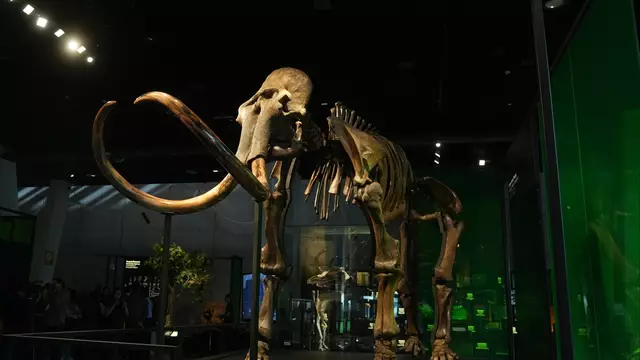
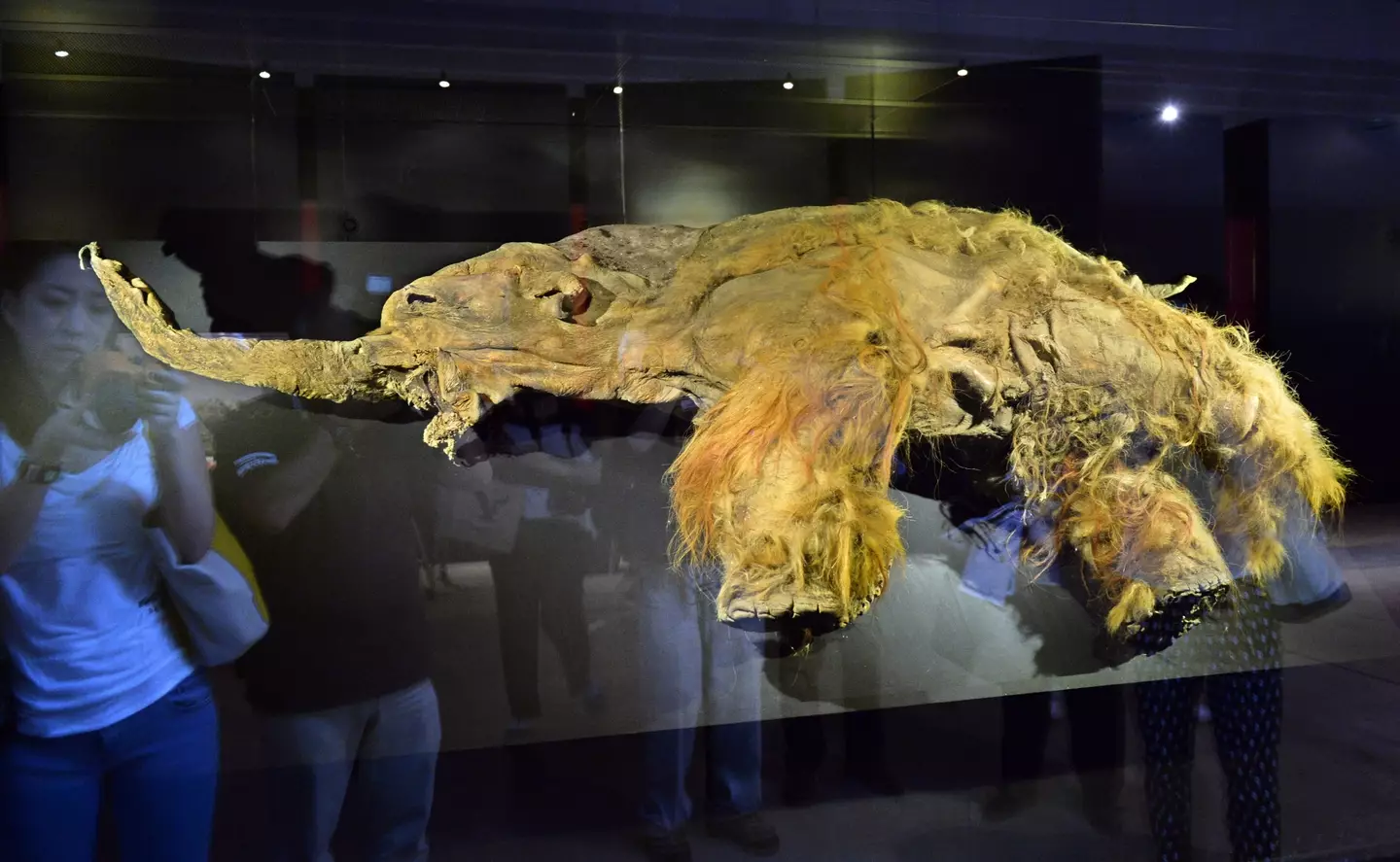
The recent news that scientists have recovered RNA from a 39,000-year-old woolly mammoth has rightfully captured the world’s imagination. The prospect of seeing these iconic ice age giants walk the Earth again is a powerful one. Yet, beneath the awe-inspiring headline lies a complex web of ethical questions that we, as a society, must confront before charging ahead. The science may be advancing, but the moral compass for de-extinction remains wildly uncalibrated.
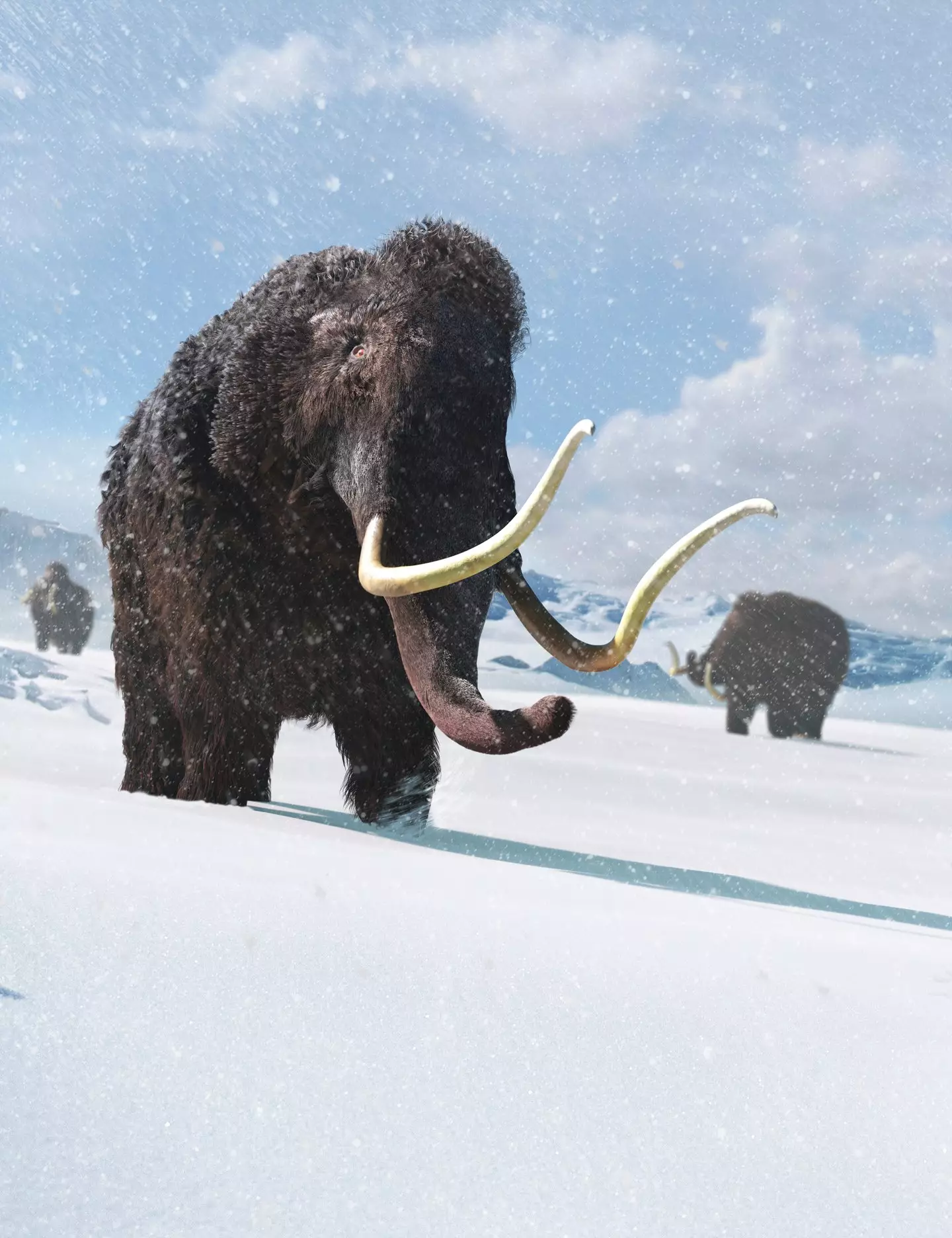
The most immediate ethical concern revolves around the welfare of the animals involved in the process. To bring a mammoth to life, scientists would likely rely on an elephant as a surrogate mother. This interspecies pregnancy is uncharted and dangerous territory. The physical toll of carrying and birthing a hybrid calf of a different species could be immense for the elephant. Furthermore, the social and psychological implications are profound. The newborn mammoth would be an anomaly, born to a mother of a different species and with no herd of its own to provide natural social structure and learning.
Beyond the plight of the individual animals lies the larger issue of conservation priorities. De-extinction is an incredibly resource-intensive endeavor, demanding vast amounts of funding, expertise, and time. Meanwhile, our planet is in the midst of a devastating biodiversity crisis, with countless species like rhinos, elephants, and polar bears teetering on the brink of extinction due to human activity. The critical question arises: should we pour our limited conservation capital into resurrecting one iconic species from the past, or should we focus on preserving the vibrant tapestry of life that is vanishing today?
Even if we succeed, what are we creating? A single mammoth, or even a small group of genetically similar individuals, does not constitute a thriving species. They would lack the genetic diversity of a wild population and have no natural habitat or ecosystem to return to. The world they were adapted for—the mammoth steppe—is long gone. Are we preparing to create a lifetime of zoological exhibits, or are we truly committed to restoring a functional ecological role? The power to bring back the dead comes with a heavy responsibility to consider the quality of life we are offering and the living world we are choosing to overlook.