
In the ongoing political theater of the United States, a new act has begun with the release of documents related to Jeffrey Epstein. This development has sparked a fierce war of words, highlighting the deep divisions in the American political landscape. At the center of this latest controversy are two master storytellers: former President Donald Trump and author Stephen King, each attempting to shape the public’s understanding of the truth.

Stephen King, whose career is built on understanding the public’s fears and anxieties, made a sharp observation on social media. He suggested that the nation’s conscience has been numbed by a relentless news cycle, making it difficult for scandals to have the impact they once would have. King argued that in a different era, the allegations and connections revealed in the Epstein files would have been politically fatal. His comments underscore a belief that the standards for public accountability have shifted dramatically.
Donald Trump’s response was a classic maneuver in modern political strategy. After facing direct criticism, he did not retreat but instead called for the full release of the very documents being used against him. By framing the demand as a show of confidence and transparency, he attempts to turn a vulnerability into a strength. His statement portrays the entire episode as a manufactured crisis, a “Democrat Hoax” orchestrated to distract from his policy achievements. This reframing is aimed at his loyal base, encouraging them to view the story not on its own merits, but as an attack from a partisan opponent.
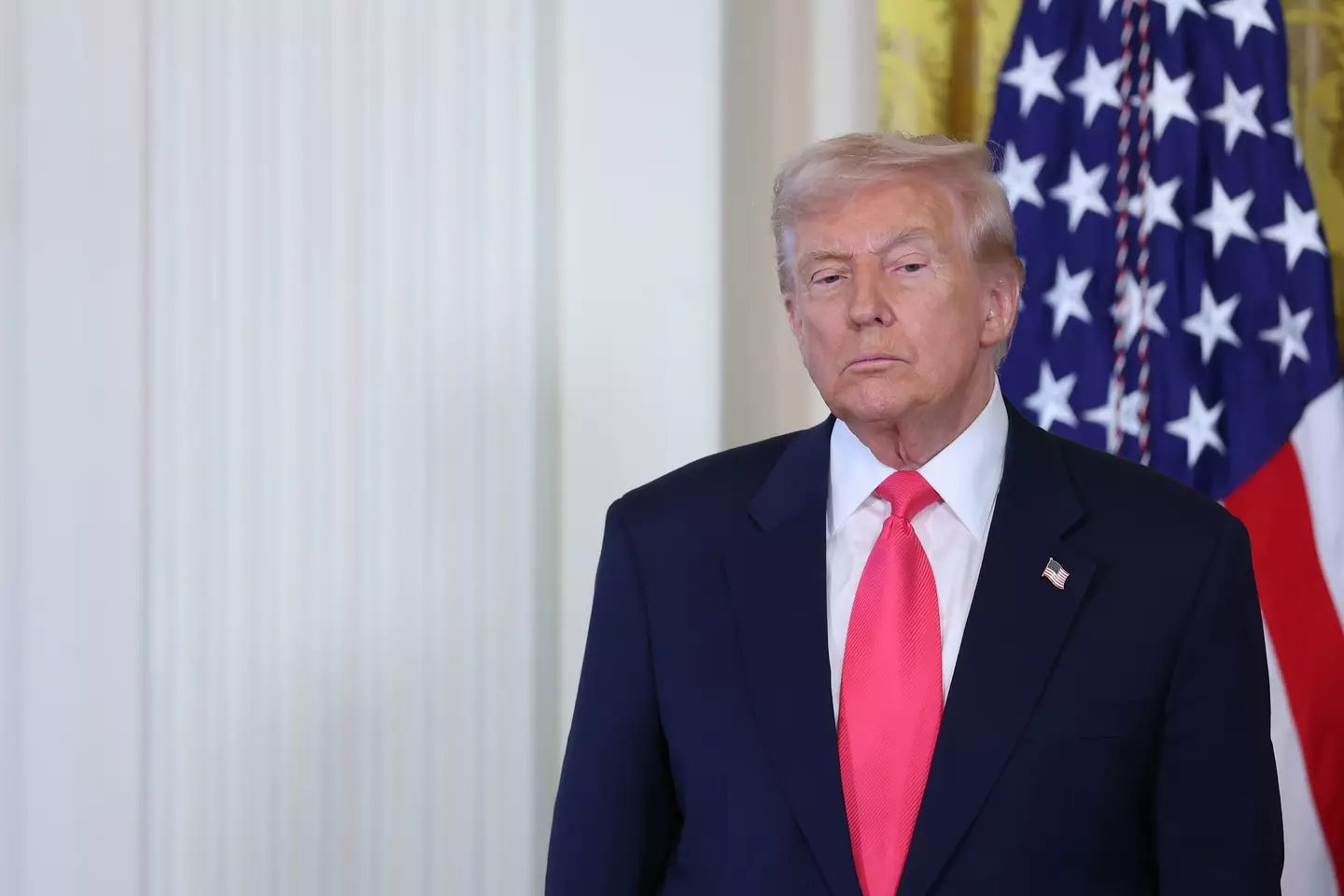
The White House reinforced this narrative, dismissing the email releases as a selective and bad-faith leak. By invoking the testimony of the late Virginia Giuffre, who had previously absolved Trump of involvement, they provided a counter-narrative to the implied guilt in the documents. The strategy is clear: to paint the controversy as a desperate political stunt, thus allowing supporters to dismiss it outright without engaging with the substance.
This clash is about more than just a set of documents; it is a battle over reality itself. One side argues that the files reveal a history that should disqualify a leader, while the other contends the files are being weaponized as a political tool. For the public, the challenge is to discern the truth in a landscape where every fact is contested, and every revelation is instantly filtered through a deeply partisan lens. The outcome of this battle will depend less on what the files ultimately contain and more on which story the American people choose to believe.