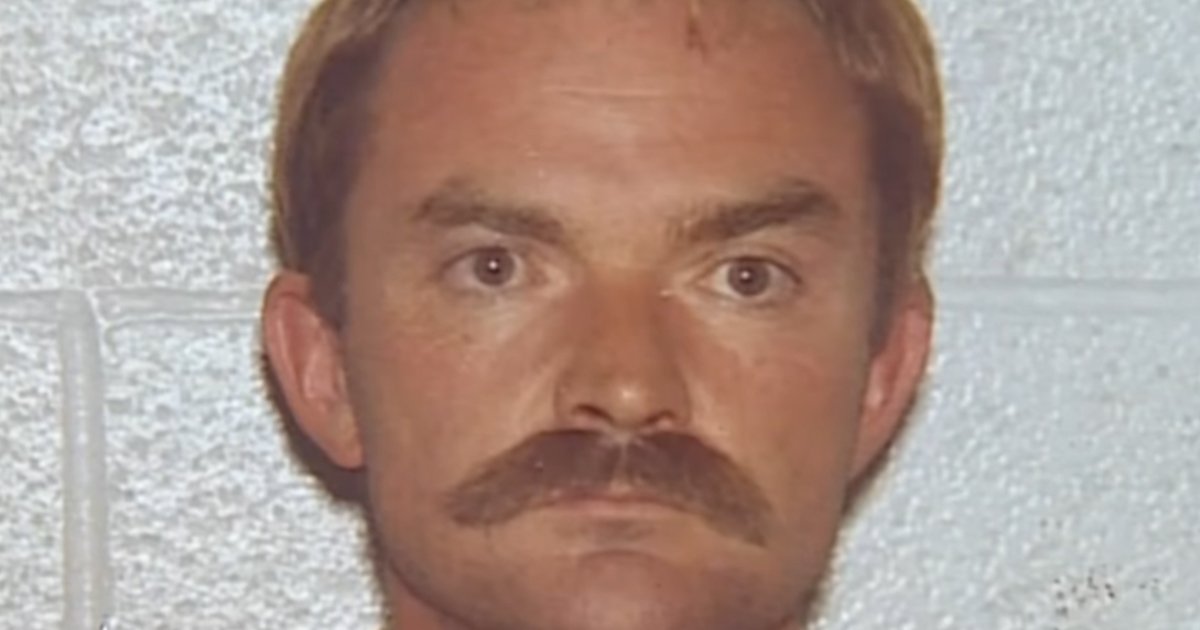
It is a disturbing truth that those who commit the most horrific acts often come from the most ordinary of beginnings. Randy Kraft, the man who would become known as the Scorecard Killer, was once just a boy growing up in a pale-blue house in California. Born in 1945 to a working-class family, he was an intelligent and observant child who loved puzzles and kept his room impeccably neat. His teachers knew him as bright and obedient, a model student in his high school who seemed destined for a respectable life. This facade of normalcy makes the evil he later perpetrated all the more incomprehensible.
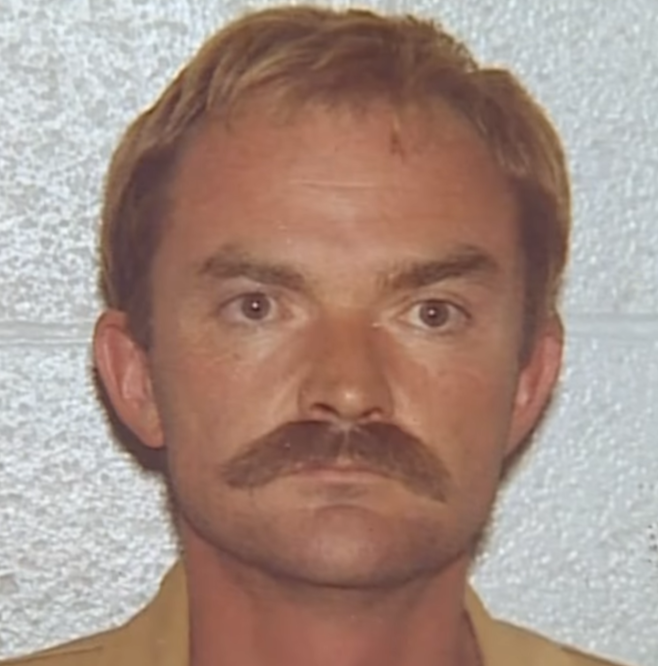
As a young man, Kraft underwent a significant personal change. In college, the clean-cut conservative who supported Barry Goldwater grew a beard, softened his politics, and began to acknowledge he was gay. This was a difficult revelation for his family and cost him his position in the Air Force Reserve. After college, he drifted through various jobs, from computer programming to bartending. While friends knew him as a mild-mannered and intelligent man, they also noticed troubling signs: isolation, anger, and a growing dependency on drugs and alcohol that hinted at a deep internal turmoil.
The peaceful suburbs of Southern California were completely unaware that a predator was moving among them. For twelve years, a shadow fell across the state as young men, many of them Marines far from home or young hitchhikers, began to disappear. Their bodies were found discarded along the sides of roads, victims of a brutal and methodical killer. Law enforcement agencies worked to connect the dots, but the man responsible, Randy Kraft, remained a ghost, his polite and unassuming demeanor allowing him to evade suspicion while he continued to claim lives.
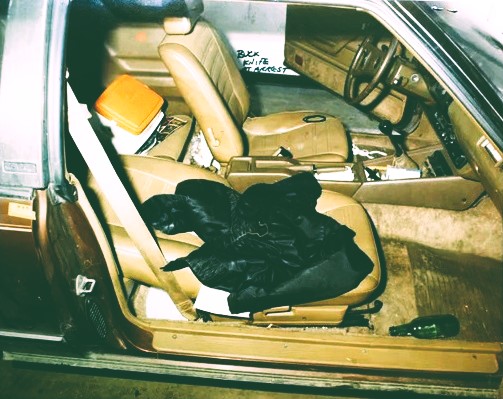
The end came suddenly on a freeway in May 1983. A routine traffic stop for a suspected drunk driver revealed a scene of pure horror: a dead young man was slumped in the passenger seat. The driver was Randy Kraft. This chance arrest broke the case wide open. Investigators discovered a trove of evidence at his home, including a deeply chilling piece of the puzzle—a handwritten list with cryptic notes like “Stable” and “Marine Drum.” detectives were convinced this was Kraft’s personal tally, a scorecard documenting each of his victims, a cold and calculated record of his crimes.
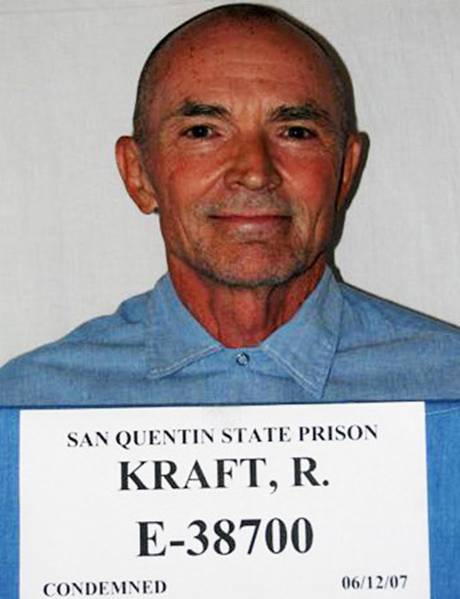
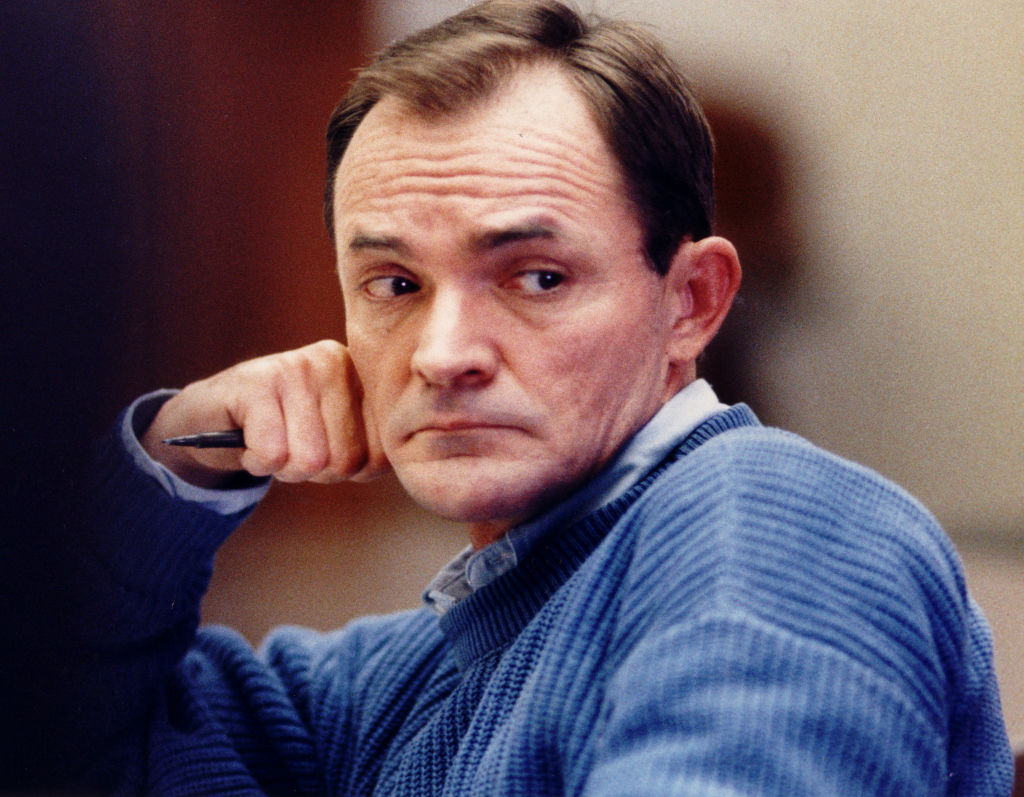
At his trial, the full scope of his brutality was laid bare, supported by photographs and personal effects collected from his victims. Kraft was found guilty of 16 murders and sentenced to death, a verdict that brought a measure of relief to the grieving families. To this day, he has never confessed or shown remorse, and investigators believe the true number of his victims is far higher. The story of the Scorecard Killer remains a dark chapter in American crime, a stark warning that the most profound evil can hide behind the most ordinary face.