
With the passing of Elizabeth Franz at 84, the American theater has lost a pillar of emotional truth and technical brilliance. The Tony Award-winning actress, whose career spanned six remarkable decades, died at her Connecticut home after a fight with cancer and complications from its treatment. Her departure marks not just the loss of a talented individual, but the quieting of a distinct and powerful voice that gave life to some of the stage’s most challenging roles.
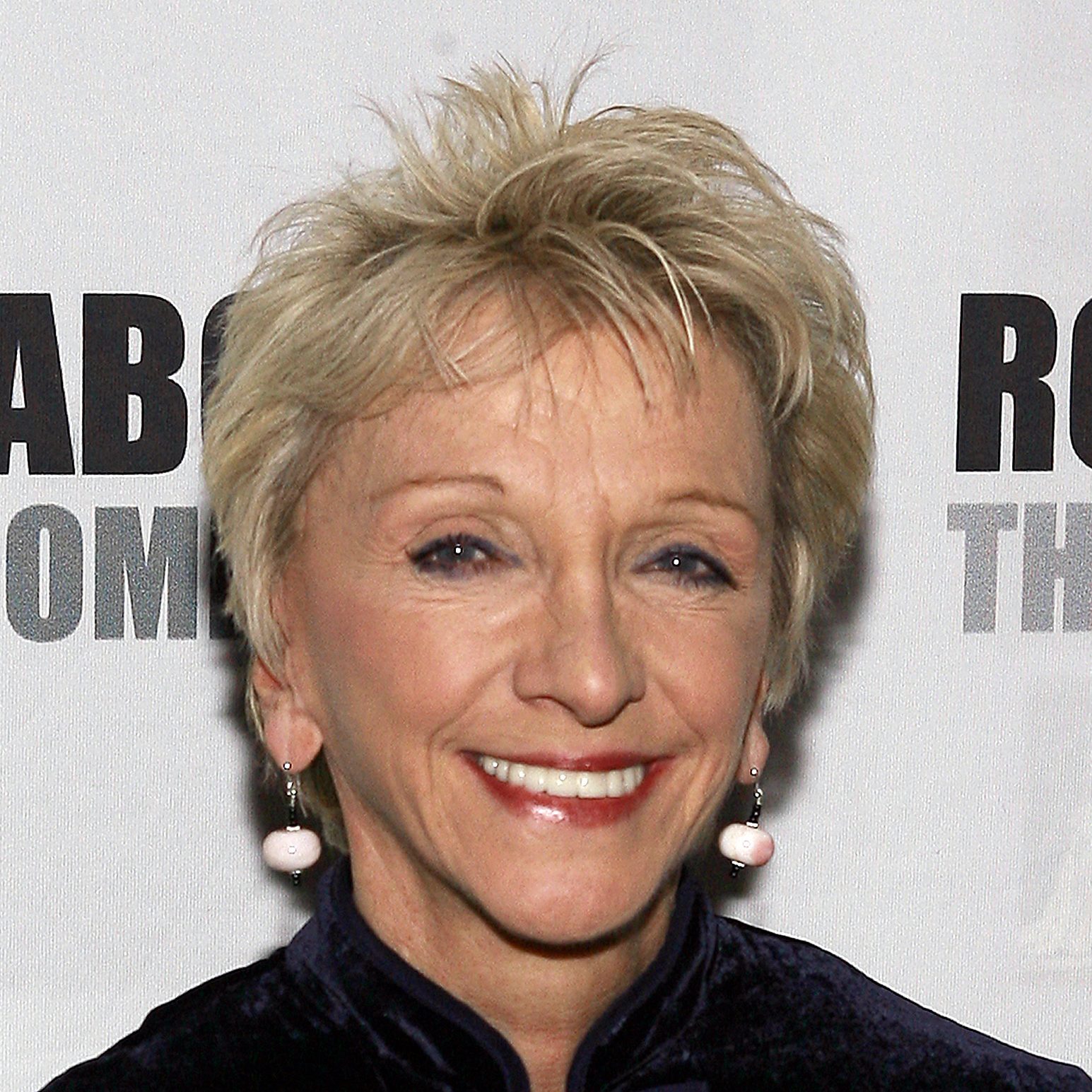
Franz’s artistry was rooted in a profound authenticity that captivated audiences and critics alike. Long before her Tony-winning fame, she was making her mark in the demanding world of Off-Broadway. In “Sister Mary Ignatius Explains It All for You,” she didn’t just play a nun; she created a complex, conviction-driven character so convincing that it earned her an Obie Award and the respect of actual nuns. Her commitment to the craft was absolute, even when it meant performing for a meager $42 a week, forcing her to take on television work during the day to support her passion for the stage at night.
It was this unwavering dedication that culminated in her career-defining performance as Linda Loman in the 1999 revival of “Death of a Salesman.” Franz’s interpretation was a masterclass in subtlety and strength, earning her the highest accolades. She didn’t merely recite lines; she unearthed the very soul of Linda, revealing a “powerful protectiveness which comes out as fury,” as the play’s author, Arthur Miller, eloquently noted. This ability to mine new meaning from a classic character is the hallmark of a truly great actor.
Her success on Broadway was complemented by a vibrant and varied career on screen, where she demonstrated that her formidable talent was not confined to the stage. To a wider audience, she may be best known as Mia, the kindly and perceptive inn owner on “Gilmore Girls,” a role where she provided a bedrock of warmth and stability. She brought the same meticulous integrity to parts in major films like “Jacknife” and “Sabrina” and guest spots on numerous television dramas, proving that no role was too small to be filled with depth and intention.
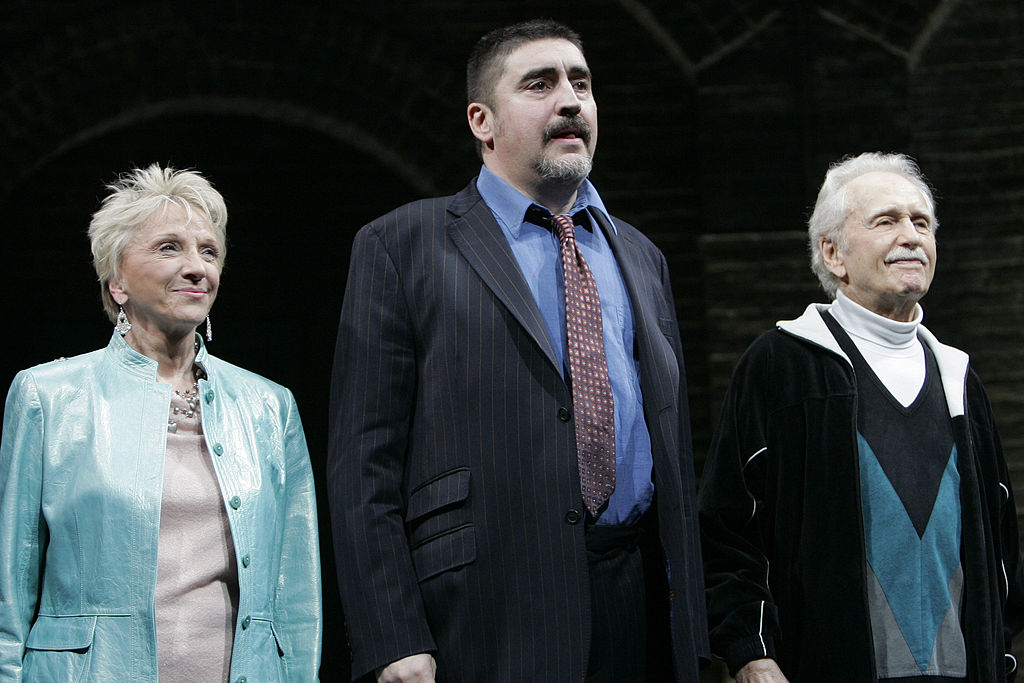
The well of empathy from which Franz drew her performances can be traced back to a challenging upbringing in Ohio. The daughter of a factory worker and a mother who battled mental illness, she experienced firsthand the quiet despair of a father broken by sudden unemployment. It was within this landscape of unspoken emotion that she found her calling. The stage became her outlet, a place where the feelings she had witnessed and suppressed could be safely and powerfully expressed. Elizabeth Franz translated the raw material of a difficult life into a breathtaking body of work, leaving behind a legacy that celebrates the beautiful, painful, and utterly human truth in every story she helped tell.