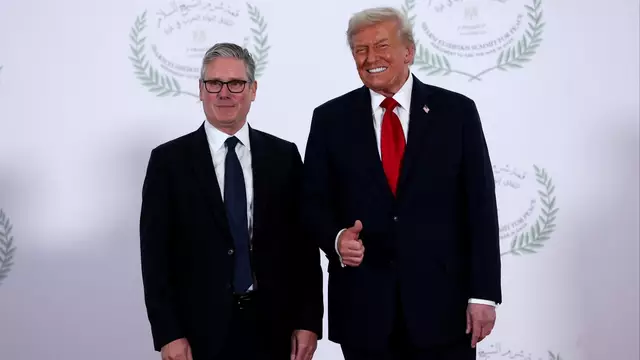
A transatlantic dispute over a television documentary has prompted a significant intervention from the UK’s Prime Minister. Sir Keir Starmer has publicly addressed the growing crisis at the BBC, which stems from its Panorama program about Donald Trump and has resulted in the former president threatening a lawsuit worth billions of dollars. Trump alleges the documentary deceptively edited his speech, a claim that has forced the national broadcaster into a defensive position.
The political dimension of the scandal was highlighted when Liberal Democrat leader Sir Ed Davey stood in Parliament and accused Trump of an attempt to destroy the BBC and undermine a free press. In his response, Prime Minister Starmer delivered a statement that carefully walked a fine line. He first issued a clear, five-word imperative to the BBC, instructing the organization that it must “get its house in order,” a public admonishment that acknowledged the seriousness of the alleged editorial failure.
Starmer’s comments reflect the internal pressure the BBC is under, which has already led to the resignation of its two most senior news executives. A leaked internal memo from a former standards adviser has further alleged a pattern of biased reporting, compounding the corporation’s troubles. The Prime Minister’s call for accountability and swift correction of errors signals that the government expects the BBC to address these credibility issues head-on.
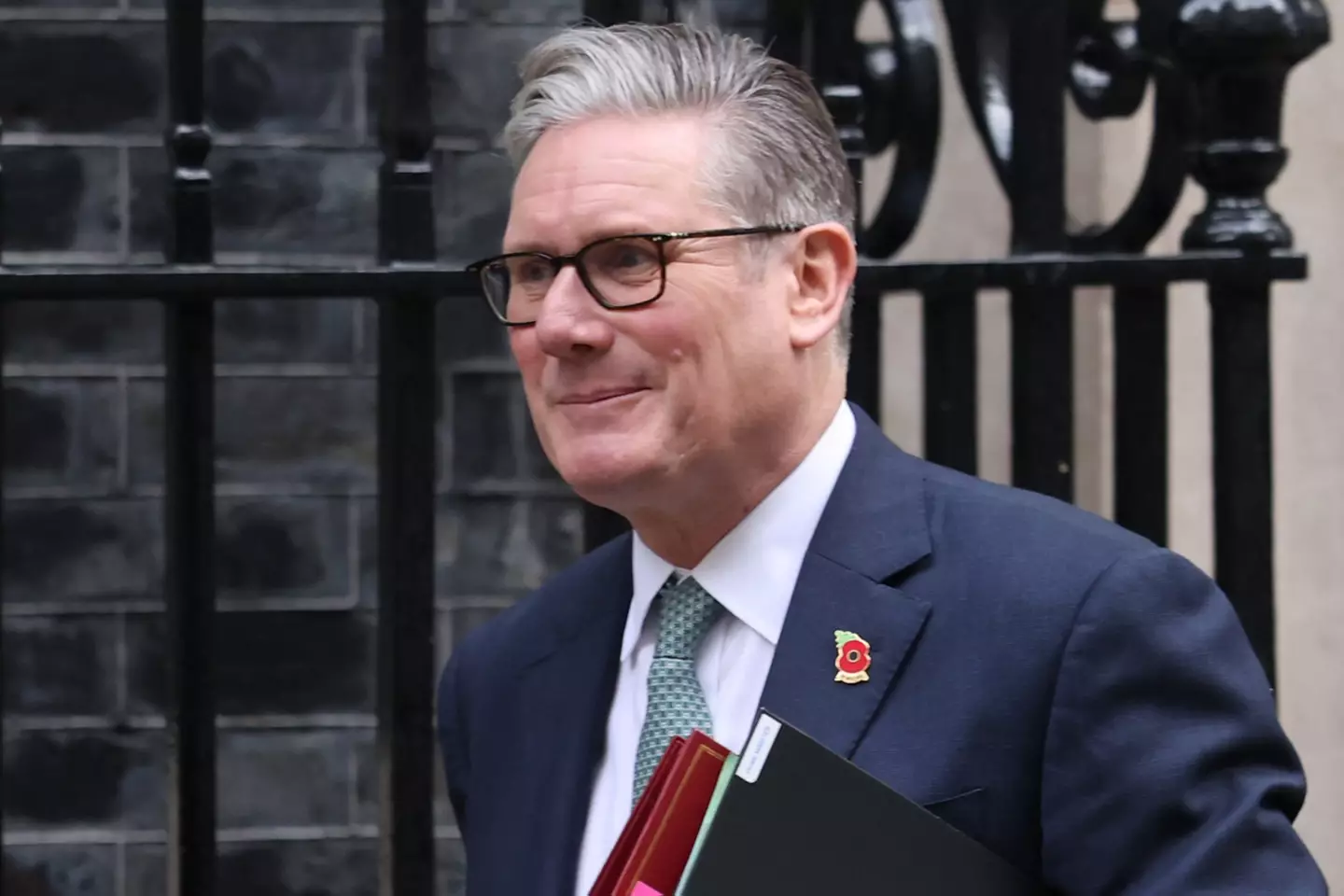
However, Starmer did not leave his comments at criticism. He swiftly pivoted to a robust defense of the BBC’s fundamental role, stating he would always stand up for a strong and independent broadcaster. He argued that the value of an impartial news service is at a premium in today’s landscape of widespread disinformation. This balanced approach allows him to pressure the BBC to reform its practices while rallying support for the institution against what some perceive as an external attack.
The BBC stands by its journalism, stating that while it regrets the editing error, it strongly disagrees with the basis for a defamation case. The situation presents a monumental test for the broadcaster, which must now review its internal standards while potentially facing a legal battle of unprecedented scale, all under the scrutiny of a prime minister who demands both order and independence.