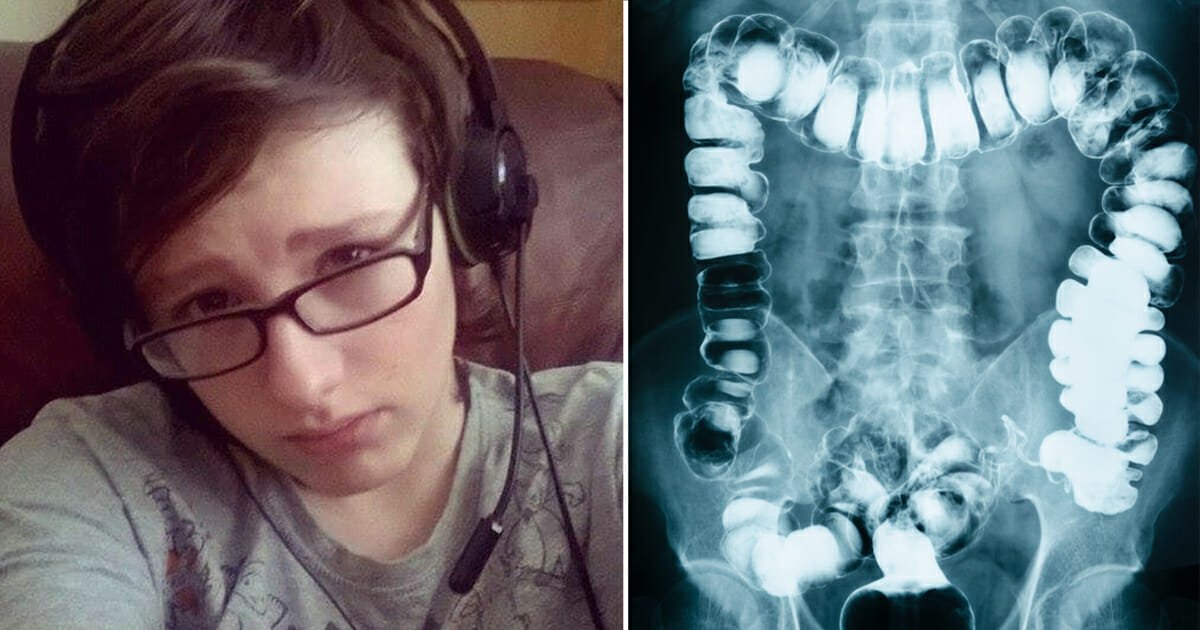
For the family of Jack Dunn, a trip to the hospital was supposed to bring answers and relief. Instead, it became the prelude to a devastating loss. The 17-year-old was admitted after being overcome with such severe stomach pain that he lost the ability to walk. Medical professionals conducted several tests but remained uncertain of the cause. Ultimately, they diagnosed him with constipation and sent him home with a prescription for laxatives, unaware they were sending him into a lethal situation.
The truth was that Jack was in the grip of diabetic ketoacidosis, a severe and rapidly progressing condition caused by a lack of insulin in the body. This led to a toxic buildup of acids in his blood, which was responsible for his extreme pain and other symptoms. Just one day after his release, his father found him dead. The misdiagnosis meant that Jack never received the insulin and emergency care that could have reversed the condition and saved his life.
In the aftermath, Jack’s father reflected on the moments in the hospital that now seem like missed opportunities. He described how a doctor interpreted his son’s struggle to breathe as mere anxiety, a catastrophic misunderstanding of a key symptom of ketoacidosis. The family is now left with the unwavering belief that their son would still be alive if the medical team had performed a few more basic tests, most notably a simple finger-prick test to check his blood sugar levels.
This tragic case serves as a critical public health message about the signs of diabetic ketoacidosis. It often presents with symptoms that can be confused with common illnesses, such as intense abdominal pain, fatigue, confusion, and unusual thirst. By sharing Jack’s story, his family hopes to empower others to ask for comprehensive testing when faced with similar, unexplained symptoms. Their mission is to ensure that no other family endures the same preventable tragedy, turning their personal heartbreak into a legacy of awareness and caution.