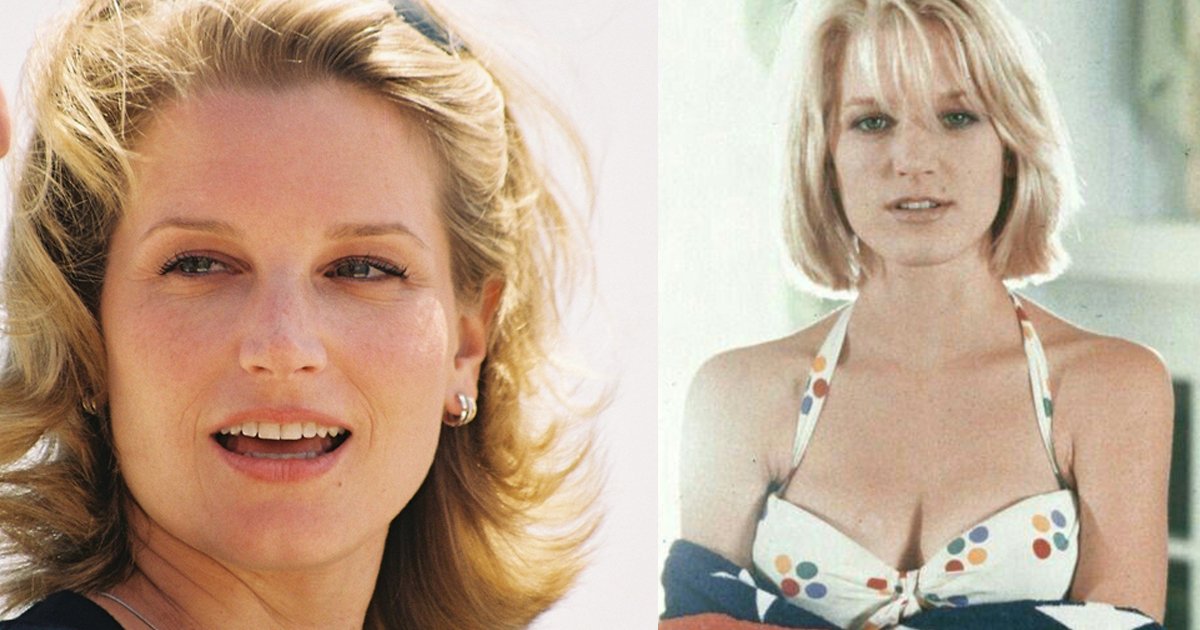
The arc of a typical Hollywood career often follows a familiar script: discovery, rise, fame, and then a gradual decline or a desperate fight to stay relevant. Bridget Fonda, however, rewrote that script entirely. The beloved actress of the 1990s, known for her roles in iconic films and her place in a legendary acting family, chose to leave the industry on her own terms, crafting a personal happy ending that had nothing to do with box office numbers. Her disappearance from the public eye was not a mystery but a mission, a deliberate pursuit of a life that offered more than fame could ever provide.

From her early days, Bridget seemed to have a complex relationship with stardom. Despite her lineage, she often spoke of avoiding the neurotic pressure to succeed, adopting a “who cares?” attitude that shielded her from the industry’s harshest expectations. This mindset allowed her to build a respected and diverse body of work, from indie darlings to blockbuster hits, without losing herself in the process. She was an artist who appreciated her craft but was never fully seduced by the celebrity lifestyle that came with it, a trait that would ultimately define her path.

The catalyst for her exit was a powerful and positive one: love and family. After marrying composer Danny Elfman and welcoming their son, Oliver, the allure of the soundstage paled in comparison to the call of home. The constant travel, media scrutiny, and intense demands of filmmaking were sacrifices she was no longer willing to make. She found a new purpose in the intimate, unscripted moments of motherhood and partnership. A terrifying car accident in 2003, which could have had a tragic outcome, only served to underscore the fragility of life and likely solidified her resolve to cherish her newfound peace.

In the years since her retirement, the public has struggled to understand her choice, often reducing it to her changed physical appearance in rare photos. Tabloids and online comments have sometimes been unkind, focusing on the fact that she looks different from her on-screen persona of twenty years ago. But these comments are a fundamental misunderstanding of her journey. The woman in those photos is not trying to be the actress from “Point of No Return”; she is a mother, a wife, and a private citizen who has chosen a path of normalcy. Her “unrecognizable” look is simply the face of someone who is no longer performing for an audience.


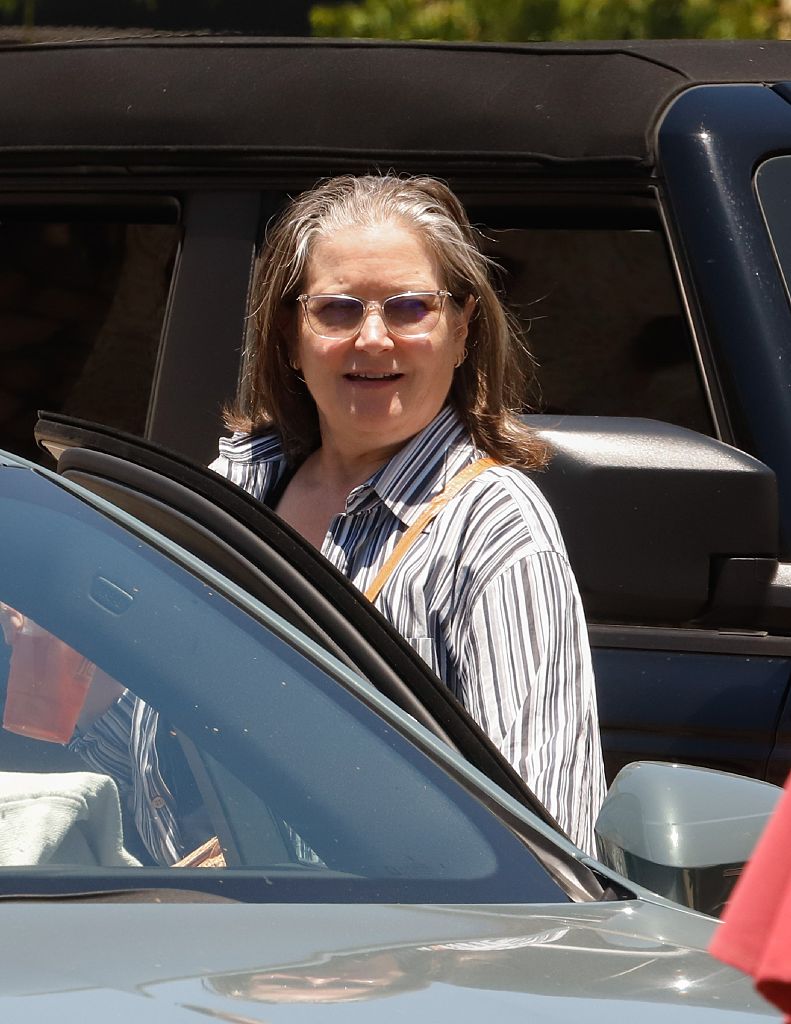
Bridget Fonda’s story is a quiet testament to personal agency. When she stated that being a “civilian” was too nice to give up, she offered a powerful critique of the fame machine without ever saying a negative word. She proved that the most rewarding role isn’t always the one written by a screenwriter; sometimes, it’s the one you write for yourself, far from the cameras and the critics. Her legacy is not just the films she left behind, but the powerful example she set by choosing a life of authentic happiness over the glow of the spotlight.