The political world is dissecting the White House’s reaction to newly surfaced emails from Jeffrey Epstein that mention Donald Trump. The correspondence, made public as part of an ongoing investigation, prompted an immediate and forceful response from the administration, which chose to focus its criticism on the source of the information rather than the substance of the messages themselves.
.jpg)
The released emails contain brief but serious claims written by Epstein. In one, he states that an unidentified ‘Victim 1’ spent a significant amount of time with Trump. In another, he flatly claims that Trump “knew about the girls.” These allegations, though unverified and coming from a convicted sex offender, created an urgent communications challenge for the White House press team.
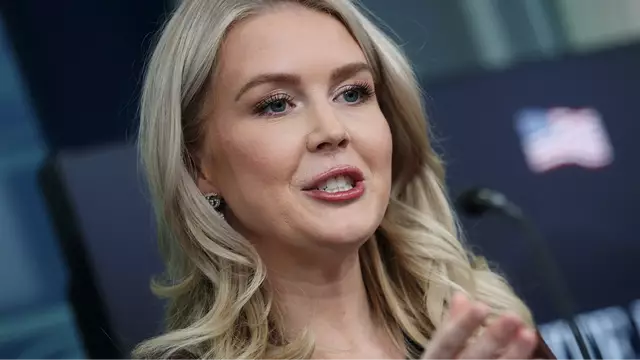
Press Secretary Karoline Leavitt addressed the situation by launching a counterattack on the Democrats, whom she accused of orchestrating a “selective leak” to the media. She labeled the news outlets “fake news” and argued that the release was a deliberate tactic to smear the president and divert attention from the end of a government shutdown. She positioned the Trump administration as a champion of transparency on the Epstein case, a claim used to contrast with the perceived underhandedness of the leak.
@brutamerica During a White House press briefing on November 12, Press Secretary Karoline Leavitt touted the transparency of the Trump administration regarding the Epstein files when a reporter questioned why Republicans are asking Rep. Lauren Boebert to remove her name from a a petition to release the files. #KarolineLeavitt #EpsteinFiles #PressBriefing #PressSecretary #LaurenBoebert
This framing did not go unnoticed by the public. Many commentators and social media users pointed out that the White House’s response conspicuously avoided denying the content of the emails. Instead, the strategy was to challenge the credibility of the leak’s orchestrators and its timing. This approach effectively shifted the media debate from “what do the emails say?” to “why were they released now?”
The core of the White House’s substantive defense rested on identifying the victim. Leavitt’s statement specified that the ‘unnamed victim’ was Virginia Giuffre and cited Giuffre’s past assertions that Trump was not involved in any misconduct. By anchoring their defense in the testimony of a key figure in the Epstein saga, the administration sought to neutralize the impact of the emails without having to engage directly with the problematic claims made by Epstein.