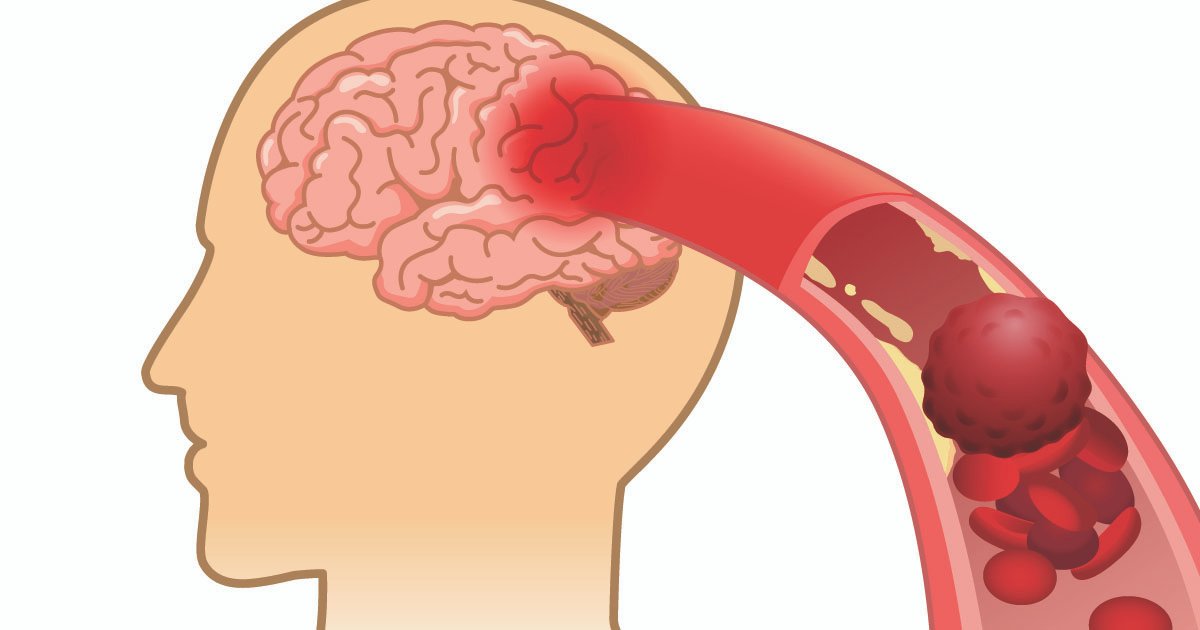
Cardiovascular health is the cornerstone of overall wellness, yet the warning signs of trouble can often be mistaken for minor, everyday ailments. Clogged arteries, a slow and silent process, can manifest through a variety of symptoms that are easy to dismiss. Understanding these signals is your first line of defense, empowering you to seek help before a minor issue becomes a major health crisis. Your body speaks a language of its own, and learning to interpret it could save your life.
One of the most critical areas to watch is your chest and respiratory system. A feeling of pressure, tightness, or pain in the chest is a hallmark sign that your heart may be starved for blood. This pain might not stay localized; it can travel to your arm, jaw, or back. Coupled with this, unexplained shortness of breath, especially during light activity or at rest, suggests that your body is struggling to circulate oxygen efficiently, a potential red flag for blocked arteries.
The brain’s function is directly tied to circulatory health, and symptoms here are particularly urgent. A sudden feeling of weakness or numbness on one side of your body, difficulty forming words, or slurred speech can indicate a blockage in the arteries leading to your brain. Similarly, a sudden change in your vision, such as blurriness or temporary vision loss, is a powerful signal that should prompt an immediate visit to a healthcare provider.
Your legs and feet are often the canaries in the coal mine for peripheral circulation issues. Pain in your calves when walking, feet that are constantly cold to the touch, and cuts or bruises on your feet that take an unusually long time to heal are all telling signs. These symptoms point to reduced blood flow to your limbs, meaning tissues aren’t getting the oxygen and nutrients they need to stay healthy and repair damage.
Internally, you might notice feelings of general nausea or a racing, fluttering heartbeat known as palpitations. While these can be caused by many factors, in the context of other symptoms, they can complete a picture of circulatory distress. It is vital to listen to what your body is telling you. If you recognize any of these warning signs, do not hesitate to seek professional medical advice for a thorough evaluation and peace of mind.