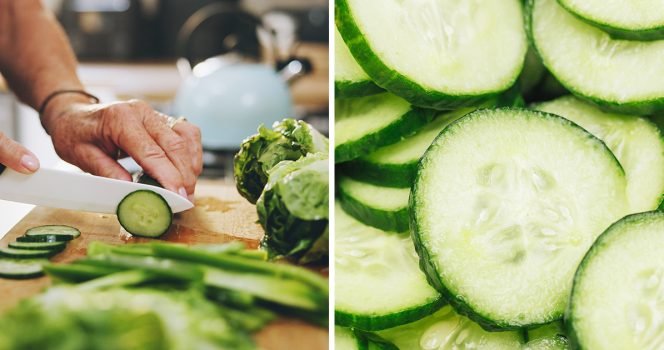
We often think of the cucumber as a universally safe and hydrating food, a crisp addition to any health-conscious diet. But what if this common fruit was causing unnoticed issues? The truth is, despite their many benefits, cucumbers can pose problems for people with certain health backgrounds. Understanding these potential sensitivities can help you make more informed and comfortable dietary choices.
The primary concern for most people is not the cucumber itself, but a compound it contains called cucurbitacin. This substance is what gives some cucumbers a slightly bitter taste and can be tough on sensitive stomachs. For individuals with digestive conditions like IBS or those who simply experience frequent bloating and gas, cucurbitacin can irritate the digestive tract. This is why growers have developed “burpless” cucumber varieties that contain less of this compound, offering a gentler alternative for those with delicate systems.
From the perspective of traditional healing practices, cucumbers are considered a cooling food. This characteristic is wonderfully refreshing on a hot day but may not be ideal if you are struggling with a respiratory illness. The theory suggests that cooling foods can increase mucus production, potentially aggravating congestion from a cold, sinusitis, or asthma. If you find your symptoms worsen after eating raw cucumber, it may be beneficial to choose cooked or warm foods until you feel better.
Another group that should be mindful are those with known pollen allergies, as they are more likely to experience Oral Allergy Syndrome from cucumbers. This condition can cause immediate itching or swelling of the lips, mouth, and throat shortly after eating the raw fruit. While this reaction is usually mild, it’s a clear sign that your body is identifying the cucumber as a threat. Peeling the cucumber can sometimes help, as the skin contains a higher concentration of the offending proteins.
Even for those managing diabetes, a small detail is worth noting. While the flesh of the cucumber is excellent for blood sugar control, the seeds, when consumed in very large amounts, have been anecdotally linked to enhancing the effect of glucose-lowering medications. This could potentially lead to hypoglycemia. The key is moderation and awareness. For the vast majority, cucumbers remain a healthy staple, but being aware of these nuances ensures that your diet supports your well-being in every way.