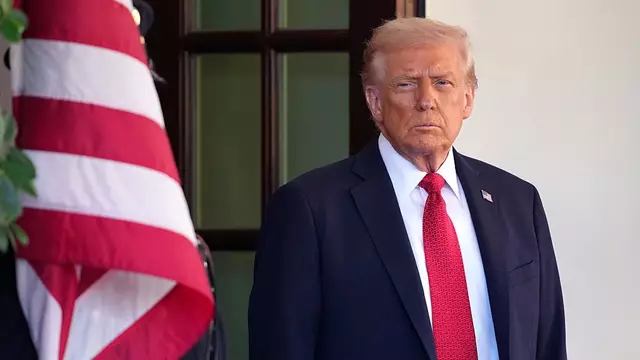
The ongoing congressional investigation into Jeffrey Epstein has taken a dramatic turn with the release of previously unseen emails, immediately triggering a fierce political confrontation. Democrats on the House Oversight Committee made public a set of communications that feature the late financier allegedly claiming that Donald Trump was aware of his criminal conduct. The emails, which span from 2011 to 2019 and involve Epstein, Ghislaine Maxwell, and author Michael Wolff, have been met with a swift and forceful denial from the current White House, setting the stage for a new chapter in the long-running narrative.

The released correspondence contains several provocative assertions. One email from Epstein in 2011 seemingly identifies Trump as a key figure who had not yet been drawn into the scandal. In a 2015 exchange, there is discussion about how Trump might answer media questions about Epstein, with one message suggesting his responses could be used against him for leverage. The most incendiary email, sent by Epstein in 2019, directly states that Trump “knew about the girls” and had instructed Maxwell to cease her activities. These claims, while coming from a convicted criminal, have added fuel to a simmering political fire.
The White House response was immediate and unequivocal. Press Secretary Karoline Leavitt dismissed the released emails as a “fake narrative” engineered by Democrats to damage the former president. She emphasized the testimony of victim Virginia Giuffre, who had previously absolved Trump of involvement, and reiterated Trump’s own account that he banned Epstein from his Mar-a-Lago club years ago for inappropriate behavior. The administration’s statement frames the entire episode as a politically motivated “hoax” designed to distract the public.
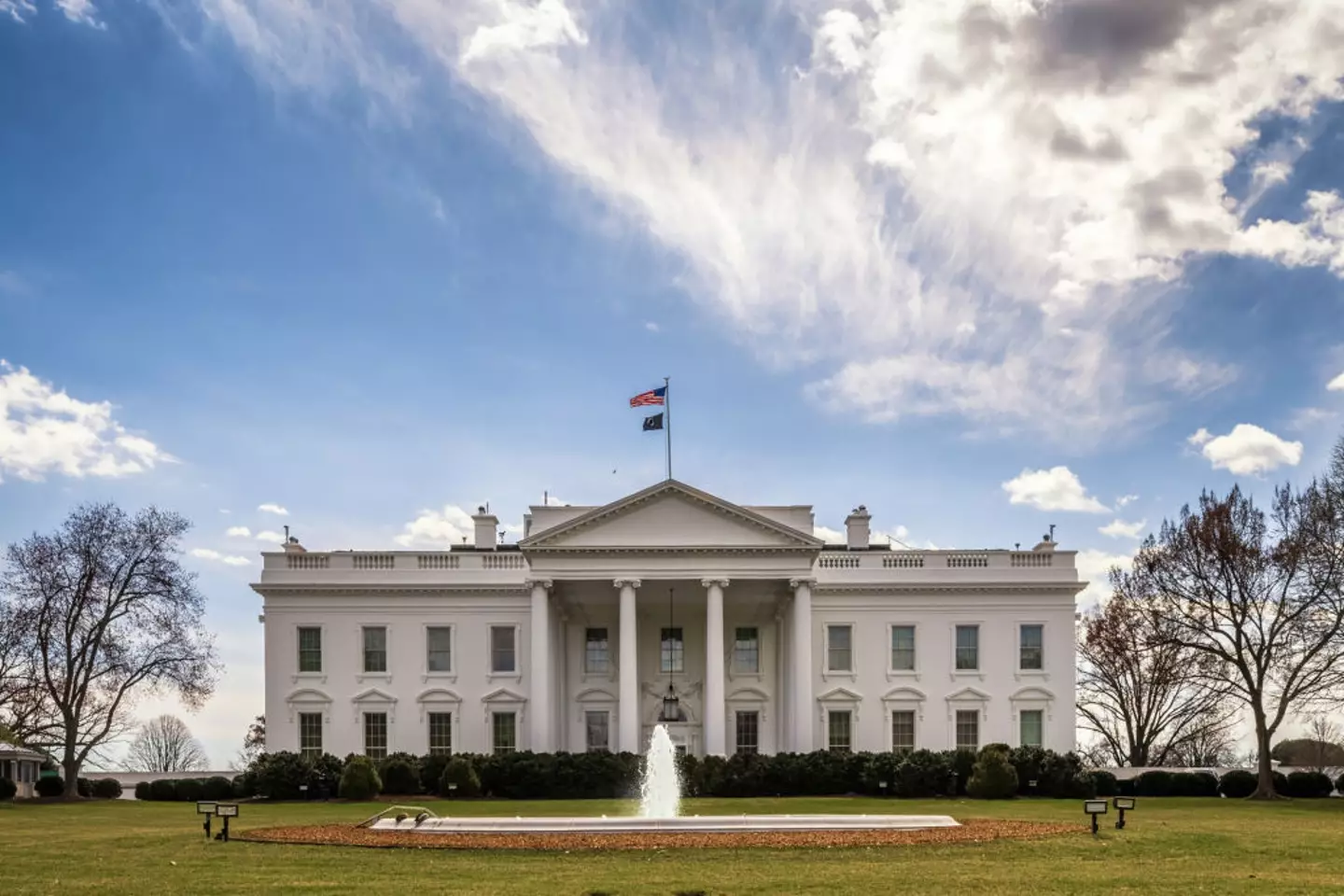
The history between Trump and Epstein adds a complex layer to the situation. The two were once photographed together at social events, indicating a past association. Trump has never denied knowing Epstein but has maintained for years that he ended their relationship after a falling out long before the full extent of Epstein’s crimes became public. The new emails, while alleging knowledge, do not provide concrete evidence of wrongdoing by Trump and he remains the subject of allegations rather than formal charges in this matter.
The release of these documents ensures that the Epstein case will remain a potent and deeply polarized issue in American politics. For supporters of the former president, the White House’s characterization of the leak as a partisan attack resonates strongly. For critics, the emails raise persistent and troubling questions. This development guarantees that the shadows of the past will continue to influence the political present, as both sides dig in for a battle over the narrative and the truth.