In our world of smartphones and satellite navigation, it’s easy to forget that humans have always found clever ways to navigate. A walk in the forest can reveal one of the most fascinating examples of this ancient ingenuity. Have you ever been walking along a trail and spotted a tree with a sharp, unnatural bend in its trunk? While it might look like the result of a fallen limb or a strange growth pattern, you may have actually discovered a carefully crafted trail marker, a living relic from a time when Native Americans were the master cartographers of the wilderness.
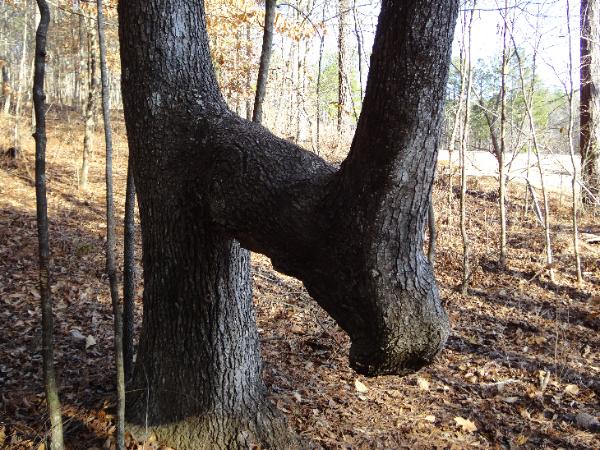
Long before the first roads were paved, indigenous peoples needed to traverse dense forests and mountainous regions. To solve this challenge, they developed a brilliant and sustainable method of creating a permanent pathway system. They would select young, supple trees and gently bend them, shaping them into distinctive forms that would be easily recognizable to anyone who knew what to look for. These trees were not damaged; they were designed. Over decades and centuries, the trees grew, solidifying their unique shapes and becoming enduring monuments of guidance on the landscape.
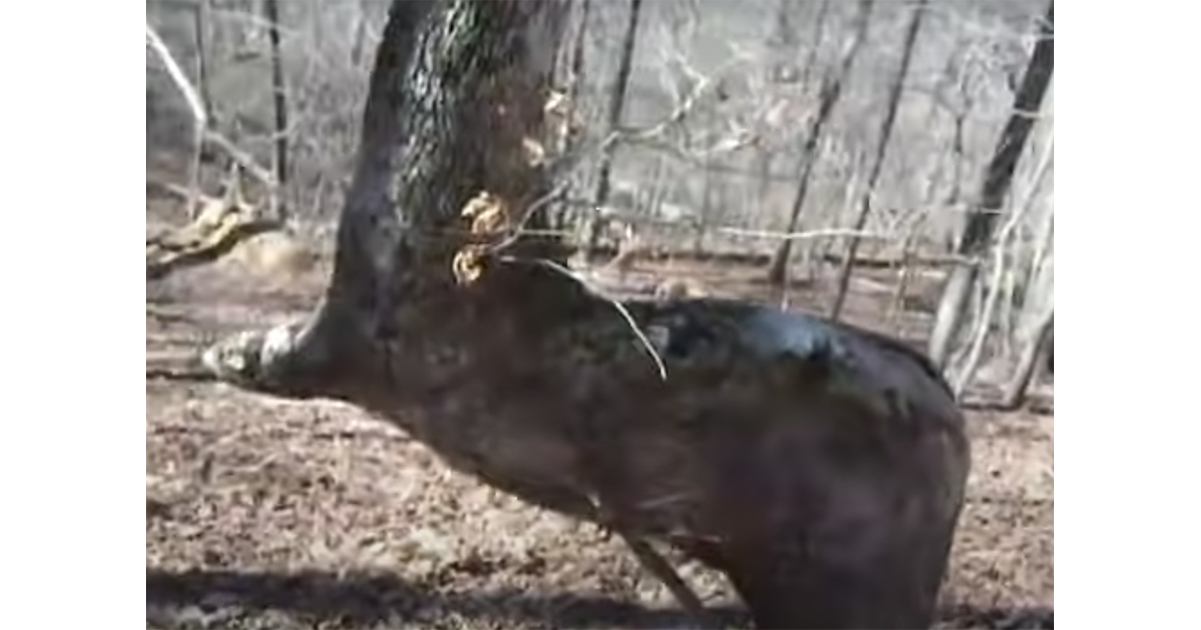
Identifying one of these man-made trail trees involves looking for specific clues. A tree that simply grew around an obstacle might have a more gradual curve. A true trail marker, however, often features a very sharp, angular bend. Many also have a distinctive “nose,” a protruding section of the trunk at the tip of the bend, which was intentionally created to distinguish it from trees deformed by natural causes. Additionally, close inspection might reveal old scars on the trunk, remnants of the bindings that held the young tree in its new position as it matured.
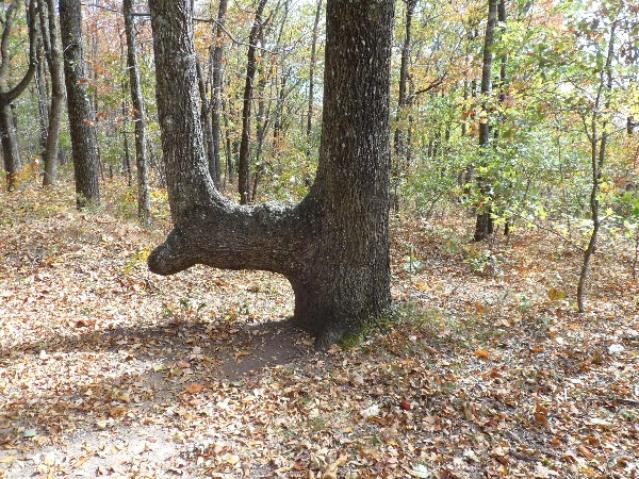
These arboreal signposts served a crucial purpose, directing travelers toward life-sustaining resources like fresh springs, hunting grounds, or sheltered camping sites. They formed a vast, interconnected network of routes across the continent. Today, finding one of these trees is like uncovering a hidden treasure. They stand as a powerful testament to the deep environmental knowledge and wisdom of Native American cultures, showcasing their ability to work with nature to create practical and lasting solutions for community survival and connectivity.
The discovery of a bent tree transforms an ordinary hike into a journey through time. It invites us to look at the natural world with new eyes, to see the history embedded in the landscape. These trees are more than just oddities; they are symbols of human resilience and intelligence. As we continue to lose these historic markers to development and time, recognizing their story becomes all the more important. They remind us that the oldest maps are not made of paper, but are grown from the earth, and their silent language is a beautiful part of our shared heritage.