Have you ever wondered if someone in your life is a true narcissist? The term is used so frequently that its real meaning can get lost. Fortunately, a criminal psychologist has shared a remarkably simple method to help you identify this personality trait. The key isn’t a complex analysis; it’s about knowing the right question to ask and understanding the psychology behind the answer.
Dr. Julia Shaw, an expert who deals with severe personality disorders in her work, clarifies that narcissistic personality disorder is a real mental health condition. People with this condition don’t just have high self-esteem; they possess an unreasonably high sense of their own importance. They often seek constant admiration while struggling to understand or care about the feelings of others, which can create turmoil in their personal and professional lives.
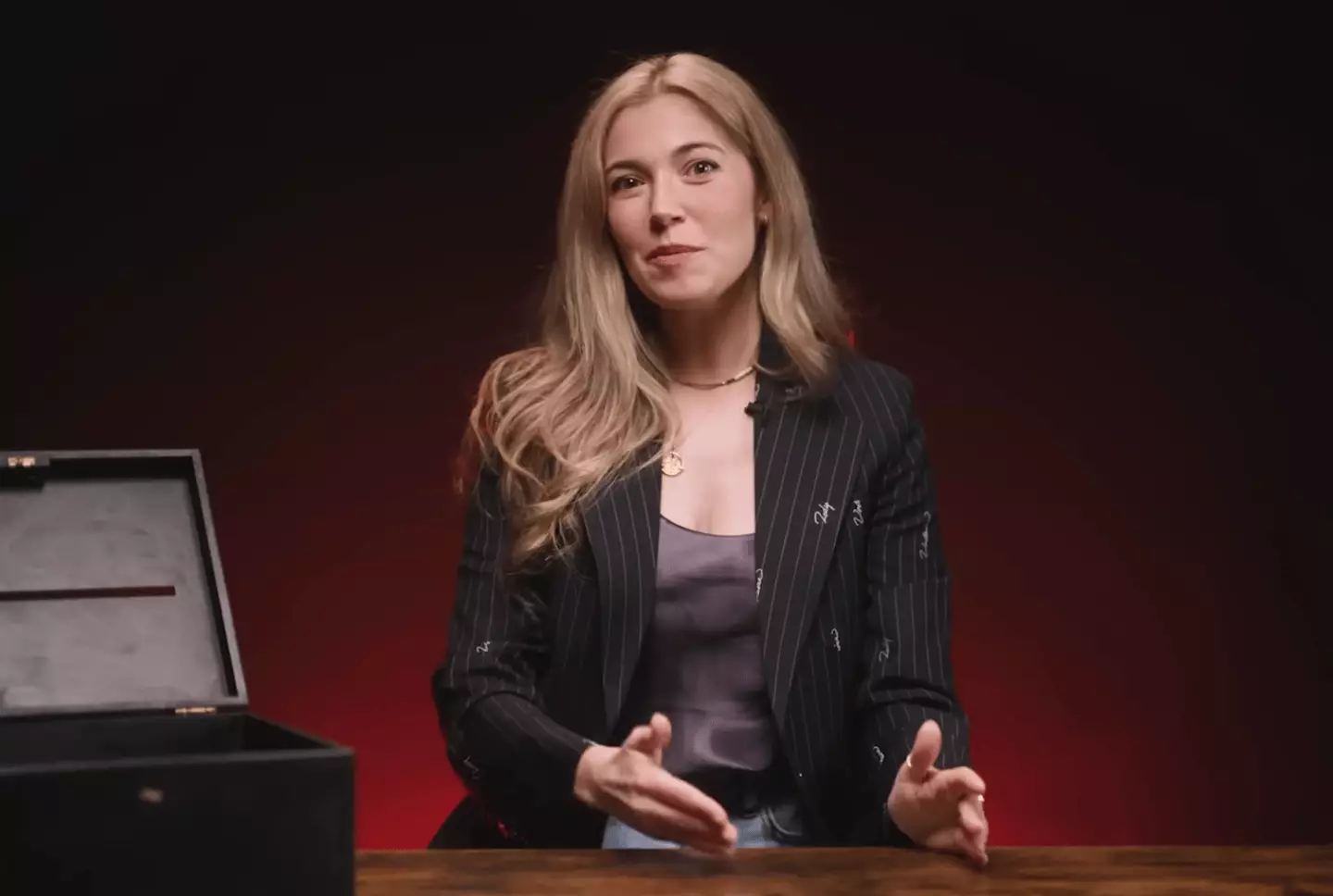
The most fascinating part of Dr. Shaw’s insight is the simplicity of the solution. Psychological research has evolved to create a tool called the “single item narcissism scale.” After years of study, experts found that one question is just as effective as a long questionnaire. This single query cuts directly to the core of the narcissistic personality, bypassing the need for complicated analysis.

The question is simply, “Are you a narcissist?” You might think a narcissist would immediately deny it, but their psychology works differently. A person with strong narcissistic tendencies is likely to own the label because they see their self-importance as a realistic and justified assessment of their superiority. They might respond with, “Yeah, but that’s because I am better than everyone else,” viewing the term as a badge of honor rather than a criticism.
While this trick is insightful, Dr. Shaw urges caution. She points out that using clinical terms like “narcissist” lightly during everyday arguments can be harmful. It diminishes the term’s significance and can prevent us from having more productive conversations about behavior. This powerful question is a useful piece of knowledge, but it’s best used for reflection and understanding, not as a weapon in personal conflicts.