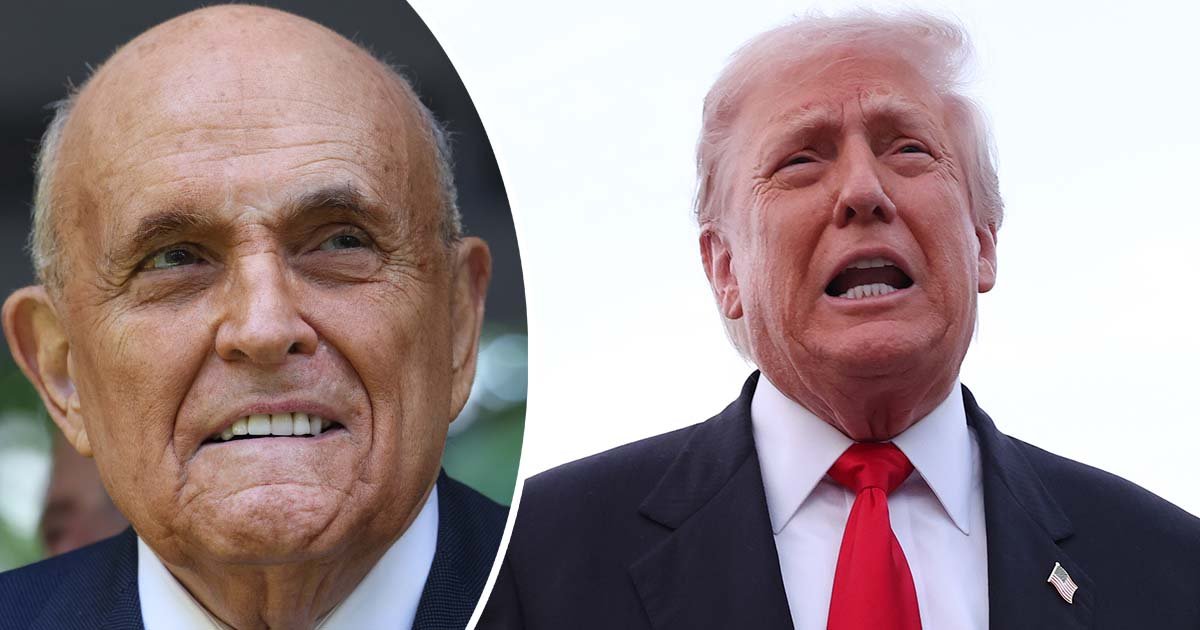
The political landscape was jolted this weekend as former President Donald Trump extended pardons to a wide array of figures involved in the contentious bid to overturn the 2020 election results. This strategic use of executive clemency power provides a blanket of federal protection for many of the key architects and supporters of the “fake electors” plan. The move is seen by many as a definitive statement on a chapter in American history that continues to provoke intense debate and legal scrutiny.
The list of pardoned individuals reads like a who’s who of Trump’s inner circle during the post-election period. It includes former Mayor Rudy Giuliani, who led the public charge alleging widespread voter fraud, and former White House Chief of Staff Mark Meadows. Also receiving pardons were legal advisers John Eastman and Kenneth Chesebro, whose memos and strategies formed the backbone of the effort to persuade Vice President Mike Pence to reject the certified electoral votes on January 6th.
While powerful, the pardons are primarily symbolic from a legal standpoint. Since the Justice Department had not filed federal charges against these individuals, the clemency acts as a preemptive shield against any potential future federal prosecution. However, the presidential pardon power does not extend to state crimes. This means that ongoing investigations and potential charges in states such as Georgia and Arizona, which are actively probing the election interference, can proceed unaffected.
The language within the pardon document is notably comprehensive. It absolves recipients for any conduct relating to the “creation, organization, execution, submission, [or] support” of any proposed slate of presidential electors, as well as for efforts to “expose voting fraud.” This broad wording effectively nullifies the possibility of federal legal consequences for a wide spectrum of activities undertaken to challenge the election’s outcome.
An unusual aspect of the announcement is the lack of a clear signing date on the documents, raising questions about the precise timing of the decision. This action solidifies Trump’s position regarding the events of the 2020 election and provides a form of political and legal vindication for his closest allies. The pardons are certain to fuel further discussion about the boundaries of presidential power and the long-term implications for accountability in the American political system.